
Yeast expression systems represent a powerful bridge between prokaryotic and higher eukaryotic platforms, combining relatively low production cost and scalability with the ability to perform essential post-translational modifications. Profacgen provides comprehensive yeast expression services centered on Pichia pastoris and Hansenula polymorpha, enabling efficient production of soluble, secreted, membrane, and disulfide-bonded recombinant proteins. With optimized vectors, robust strain engineering, and scalable fermentation processes, we support research, preclinical, and industrial protein production with consistent quality and high yields.
Yeast is the simplest eukaryotic protein expression system and has long been recognized as a versatile platform for recombinant protein production. Unlike bacterial hosts, yeast cells support key eukaryotic features such as proper protein folding, disulfide bond formation, and glycosylation, while maintaining fast growth rates and relatively simple culture requirements. Compared with mammalian systems, yeast offers significantly lower production costs, shorter development timelines, and easier scale-up.
Yeast expression systems have been successfully applied to the production of enzymes, vaccines, cytokines, growth factors, and membrane proteins. Notably, yeast has enabled the determination of crystal structures for multiple challenging transmembrane proteins, including aquaporins, ion channels, and transporters. These advantages make yeast an attractive choice when bacterial expression fails but mammalian systems are unnecessary or cost-prohibitive.
Among yeast hosts, Pichia pastoris and Hansenula polymorpha are particularly valued for high-density fermentation, strong inducible promoters, and stable genomic integration, enabling high-level and reproducible protein expression.
Profacgen offers end-to-end yeast expression solutions, designed to align with industry best practices and comparable advanced service platforms, while remaining highly customizable to project-specific needs.
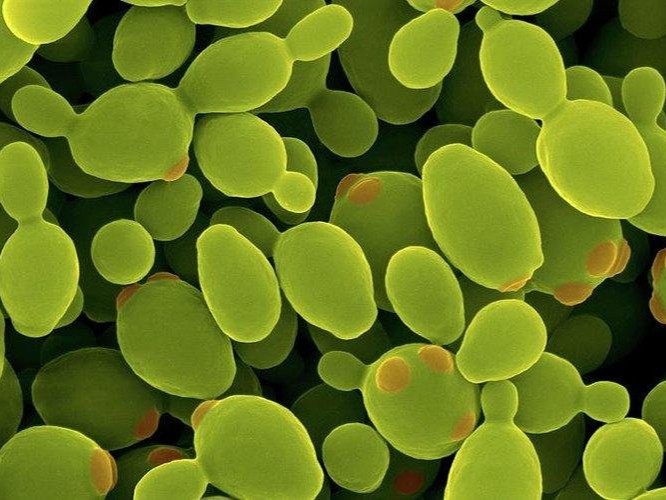
Recombinant Protein Expression in Pichia pastoris
Pichia pastoris is a methylotrophic yeast widely used for recombinant protein production. It grows rapidly on inexpensive media, tolerates high cell density fermentation, and supports strong inducible promoters (e.g., AOX1-based systems). Profacgen designs expression vectors for both intracellular and secretory expression, enabling efficient recovery of biologically active proteins.
Key capabilities include:
- Codon-optimized gene synthesis for Pichia sp.
- Secretory signal peptide engineering
- Multi-copy gene integration strategies
- High-density fed-batch fermentation
- Production of glycosylated and disulfide-bonded proteins
This system is particularly suitable for enzymes, vaccine antigens, cytokines, and membrane proteins requiring moderate eukaryotic processing.
Hansenula polymorpha Protein Expression System
Hansenula polymorpha is another robust methylotrophic yeast host with excellent genetic stability and strong promoters. It is well suited for industrial-scale production and long-term stable expression. Compared with other yeast species, H. polymorpha exhibits lower hyper-glycosylation tendencies, making it advantageous for proteins sensitive to glycan heterogeneity.
Our services include:
- Vector design and genomic integration
- Stable strain construction
- Expression optimization under methanol or alternative carbon sources
- Scale-up fermentation and purification
This platform is frequently chosen for biopharmaceutical intermediates, industrial enzymes, and proteins requiring consistent batch-to-batch performance.
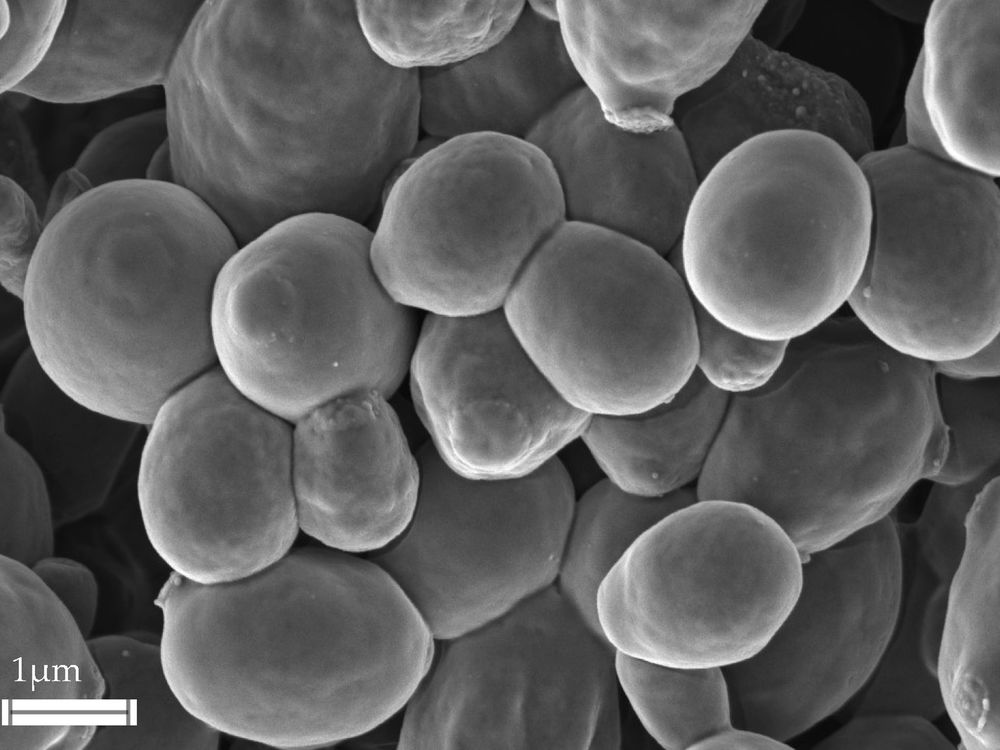
Across all yeast platforms, Profacgen provides a fully integrated service pipeline:
Background
A client required gram-scale production of a disulfide-rich industrial enzyme. Previous E. coli attempts led to severe misfolding and insoluble inclusion bodies due to the lack of an oxidative folding environment. Mammalian systems were deemed too costly for early-stage evaluation.
Our Solution
We utilized a Pichia pastoris secretion platform, leveraging its eukaryotic machinery for correct disulfide bond formation. We performed codon optimization and signal peptide screening to maximize export. During fermentation, we precisely controlled methanol induction and pH to minimize proteolysis and maximize secretion efficiency.
Final Results
The optimized process achieved yields exceeding 6 g/L with 100% correct folding and high catalytic activity. This cost-effective, high-yield solution enabled the client to proceed directly to pilot-scale validation and application testing.
Background
A vaccine developer needed a viral surface antigen requiring specific N-linked glycosylation for immunogenic function. Bacterial systems were unsuitable, and traditional yeast often caused undesirable hyper-mannosylation. Consistent glycosylation and batch reproducibility were critical for preclinical studies.
Our Solution
We constructed a stable Hansenula polymorpha strain, a methylotrophic yeast known for producing more uniform glycan profiles. We developed a standardized fed-batch protocol and implemented advanced analytical workflows, including mass spectrometry, to monitor glycan distribution and ensure product homogeneity throughout the purification process.
Final Results
The purified antigen displayed stable glycosylation and exceptional batch-to-batch consistency. Animal models confirmed strong immunogenic performance, eliciting the necessary neutralizing antibody response and supporting the advancement of the candidate into further preclinical trials.
Consult Our Experts on Your Project
With extensive experience in yeast expression technologies, Profacgen delivers reliable, scalable, and high-quality recombinant protein production. Our technical expertise, flexible service models, and competitive pricing make us a trusted partner for yeast-based protein expression projects.
→ See more details on the principle and protocol of yeast expression system on our website: Pichia Pastoris Protein Expression Systems
Reference:
Fill out this form and one of our experts will respond to you within one business day.