We use cookies to understand how you use our site and to improve the overall user experience. This includes personalizing content and advertising. Read our
Privacy Policy
Tandem Affinity Purification coupled with Mass Spectrometry (TAP-MS) is a powerful two-step purification technique designed for the stringent isolation of protein complexes under conditions close to physiological. By employing two sequential, distinct affinity purification steps, TAP-MS achieves a dramatic reduction in non-specific background compared to single-step methods, enabling the confident identification of genuine interaction partners even for low-abundance bait proteins.
The classical TAP tag consists of a Protein A moiety and a calmodulin-binding peptide (CBP) separated by a tobacco etch virus (TEV) protease cleavage site. In the first purification step, the Protein A domain binds to IgG-coated beads; TEV protease cleavage then specifically releases the bait complex under gentle conditions. The eluate undergoes a second purification through binding of the CBP tag to calmodulin beads in the presence of calcium, followed by EGTA-mediated elution. This dual selection virtually eliminates non-specific binders, which are unlikely to survive both purification criteria. Profacgen offers both the classical TAP system and modern epitope tag combinations (Flag-HA, 3×Flag-Strep) that further enhance recovery and sensitivity.
Technical Background: Tandem Affinity Purification–Mass Spectrometry (TAP-MS)
Tandem Affinity Purification coupled with Mass Spectrometry (TAP-MS) is a robust strategy for purifying protein complexes and identifying interaction partners with exceptional specificity. Unlike single-step affinity methods, TAP-MS employs two sequential purification steps under native conditions, dramatically reducing nonspecific background and enabling the recovery of even low-abundance interactors.
The classic TAP tag consists of a Protein A domain and a calmodulin-binding peptide (CBP), separated by a TEV protease cleavage site. In the first affinity step, the tagged bait protein and its associated complexes are captured on IgG-conjugated beads via the Protein A moiety. After mild washing, the complexes are released by TEV protease cleavage, and the eluate is subjected to a second capture on calmodulin-agarose beads in the presence of calcium. Following a second wash, the purified complexes are eluted with EGTA and analyzed by LC-MS/MS. Alternative TAP tag configurations—such as FLAG/HA or streptavidin/biotin-based systems—offer similar benefits with reduced handling steps.
Figure 1. TAP-MS workflow. (Adapted from Oeffinger, 2012)
The two-step purification effectively removes contaminating proteins that persist through single-affinity procedures, yielding cleaner mass spectrometry data and higher-confidence interactor identification. TAP-MS is particularly well-suited for characterizing stable multi-protein complexes, dissecting subunit architectures, and mapping protein interaction networks in eukaryotic systems. Profacgen's TAP-MS platform delivers reliable, low-background interactome data for your specific research needs.
Tag System Comparison
Feature
Classical TAP (Protein A-CBP)
Flag-HA Dual Tag
3×Flag-Strep
Tag size
~20 kDa (large)
~3 kDa (small)
~4 kDa (small)
Step 1 capture
IgG beads
Anti-FLAG M2 antibody
Anti-FLAG M2 antibody
Intermediate elution
TEV protease cleavage
FLAG peptide competition
FLAG peptide competition
Step 2 capture
Calmodulin beads (Ca2+-dependent)
Anti-HA antibody
Streptavidin beads
Final elution
EGTA (chelates Ca2+)
HA peptide or low pH
Biotin or denaturation
Background level
Very low
Low
Very low
Protein recovery
Moderate
High
High
Best for
Yeast; large stable complexes
Mammalian cells; sensitive baits
Stringent purification; weak interactions
Service Workflow
Service Details
First Affinity Step (Anti-FLAG Capture)
Cell lysis in TAP lysis buffer (preserves native complexes)
Anti-FLAG M2 agarose incubation (2–4 hours, 4 °C)
Stringent washing: high salt (500 mM NaCl), detergent, low pH
Elution with 3× FLAG peptide (150 ng/μL) under native conditions
SDS-PAGE check of elution efficiency
Second Affinity Step (Anti-HA Capture)
Anti-HA antibody crosslinked to protein G magnetic beads
Incubation with first-step eluate (2–4 hours, 4 °C)
Washing: same stringency as step 1 for background elimination
Elution with HA peptide or low-pH glycine buffer
Silver stain confirmation of complex purity
Sample Preparation for MS
On-bead tryptic digestion or in-gel digestion after SDS-PAGE
Peptide desalting on C18 StageTips
Nano-HPLC separation on 25 cm C18 column (75 μm ID)
Orbitrap MS analysis with DDA or DIA acquisition
Data Analysis & Reporting
MaxQuant or Proteome Discoverer database search
Label-free quantitation (LFQ) or TMT quantitation
Comparison against empty-vector negative control
SAINTexpress or CompPASS specificity scoring
GO enrichment, pathway analysis, and network visualization
Applications
High-confidence interactome mapping: Identify genuine interaction partners with very low false-positive rates, ideal for building interaction networks for publication or patent filing
Multi-protein complex characterization: Determine the complete subunit composition and stoichiometry of stable protein assemblies
Low-abundance bait analysis: The stringent two-step purification enables analysis of poorly expressed proteins that would be swamped by background in single-step methods
Membrane protein complex isolation: Optimized detergent protocols preserve membrane protein complexes during dual purification
Cross-species comparison: Compare interaction networks of orthologous proteins between species to identify conserved and divergent interaction modules
Post-translational modification mapping: Co-purify modification-specific binding partners by expressing modification-mimetic or modification-deficient bait variants
Why Choose Profacgen?
Dual-Step Specificity: Two orthogonal affinity steps reduce background contamination by 10–100-fold compared to single-step AP.
Optimized for Mammalian Systems: Flag-HA and 3×Flag-Strep tags engineered for high expression and minimal interference in human and mouse cells.
High Recovery: Peptide elution preserves native complexes better than denaturing elution, maximizing interactor identification.
Flexible Tag Options: Classical TAP, Flag-HA, and 3×Flag-Strep available to match your experimental requirements.
Expert Data Analysis: SAINTexpress, CompPASS, and custom scoring pipelines deliver high-confidence interaction lists with comprehensive functional annotation.
Related Services
To complement your protein interaction analysis, explore our comprehensive portfolio of related screening and profiling services.
Case 1: TAP-MS Isolates the Core Subunits of a Novel Chromatin Remodeling Complex
Background:
An epigenetics laboratory had identified CHD7 as a chromatin remodeler mutated in CHARGE syndrome but lacked a clear understanding of its associated protein complex. Co-IP experiments had identified a few interactors, but the data were confounded by high background from chromatin-associated proteins.
Our Solution:
Profacgen generated a stable HEK293 line expressing Flag-HA-tagged CHD7 at near-endogenous levels. Nuclear extracts were prepared under conditions preserving chromatin-associated complexes, and the complete Flag-HA TAP protocol was executed. Captured proteins were analyzed by LC-MS/MS on an Orbitrap Exploris 480, with empty-vector and GFP-TAP controls for background subtraction.
Final Results:
TAP-MS identified 18 high-confidence CHD7-associated proteins (SAINT score >0.95), of which 9 were novel. Among the novel interactors, WDR5 and RBBP5—core subunits of the MLL methyltransferase complex—indicated a functional link between CHD7-mediated chromatin remodeling and histone H3K4 methylation. Co-IP validation confirmed the CHD7-WDR5 interaction, and ChIP-seq showed co-localization at enhancer elements. This discovery explained how CHD7 mutations disrupt both chromatin accessibility and histone modification patterns in CHARGE syndrome.
Case 2: Flag-HA TAP Identifies a GPCR Signalosome with Therapeutic Relevance
Background:
A neuroscience drug discovery program targeting the κ-opioid receptor (KOR) for addiction and depression needed to understand the complete signaling complex assembled upon KOR activation, as prior studies had identified only a handful of direct interactors.
Our Solution:
Profacgen expressed Flag-HA-tagged KOR in SH-SY5Y neuroblastoma cells and performed TAP-MS under three conditions: vehicle, U50,488 (KOR agonist, 10 μM, 15 min), and nor-BNI (antagonist, 10 μM, 30 min). Each condition was analyzed in triplicate by LC-MS/MS with TMT-10plex labeling for quantitative comparison.
Final Results:
TAP-MS identified 42 KOR-associated proteins under basal conditions. Agonist treatment caused the recruitment of 12 novel proteins while dissociating 8 constitutive interactors. The most significant recruitment was G protein-coupled receptor kinase 3 (GRK3) and β-arrestin 2, forming a transient signaling complex. Unexpectedly, the transcription factor CREB1 was identified as a direct KOR interactor only in the agonist condition, providing a mechanistic link between KOR activation and gene expression changes. A small molecule disrupting the KOR-CREB1 interaction showed antidepressant-like activity in the forced swim test, validating the TAP-MS discovery.
Q: When should I choose TAP-MS over single-step AP-MS?
A: Choose TAP-MS when (1) your bait protein is expressed at low abundance and would produce excessive background in a single-step purification; (2) you need the highest possible confidence in your interaction data for publication or intellectual property; (3) you are studying a well-characterized stable complex where the risk of losing transient interactors is acceptable; or (4) you are working with a difficult sample matrix (e.g., nuclear extracts, membrane fractions) with high non-specific binding. Choose single-step AP-MS when sensitivity for weak or transient interactors is the priority, or when speed and lower sample requirements are important.
Q: Does the dual tag interfere with bait protein function?
A: The Flag-HA dual tag is small (∼3 kDa) and well-tolerated by most proteins when placed at flexible N- or C-termini. However, for some proteins—particularly those with critical terminal domains involved in localization, processing, or interaction—the tag may interfere with function. We recommend testing both N-terminal and C-terminal fusions and validating bait localization and known interactions before proceeding with the full TAP-MS experiment. For problematic proteins, internal tagging or the even smaller 3×Flag-Strep system may be alternatives.
Q: Can TAP-MS be performed on primary cells or tissues?
A: Yes, though with additional considerations. For primary cells, we typically use lentiviral transduction to introduce the tagged bait, followed by antibiotic selection to establish a stable population. For tissues, we can generate transgenic mouse lines or use adeno-associated virus (AAV) delivery. Because primary cells and tissues often yield less material than immortalized cell lines, we scale up the purification and may use more sensitive MS acquisition methods (DIA instead of DDA) to maintain detection depth. Contact us to discuss your specific primary cell or tissue requirements.
Q: How do you handle membrane protein complexes with TAP-MS?
A>Membrane protein TAP-MS requires optimized lysis and solubilization conditions. We use mild non-ionic detergents (DDM, LMNG, or Triton X-100) at concentrations that preserve protein-protein interactions while solubilizing membranes. The detergent is maintained throughout both purification steps. For particularly challenging membrane proteins, we can incorporate a detergent exchange step between the two affinity steps to further reduce lipid-mediated non-specific binding. Our protocols have been validated for GPCRs, ion channels, and transporter complexes.
Q: What is the typical timeline for a TAP-MS project?
A: A standard TAP-MS project takes 8–12 weeks: vector construction and stable cell line generation (2–3 weeks), bait expression validation (1 week), tandem affinity purification optimization (1–2 weeks), LC-MS/MS analysis (1–2 weeks), and bioinformatic analysis and reporting (2–3 weeks). Projects involving primary cells, tissues, or multiple conditions may require additional time. We provide detailed project timelines during consultation.
References:
Oeffinger M. Two steps forward—one step back: Advances in affinity purification mass spectrometry of macromolecular complexes. Proteomics. 2012;12(10):1591-1608. doi:10.1002/pmic.201100509
Online Inquiry
Fill out this form and one of our experts will respond to you within one business day.

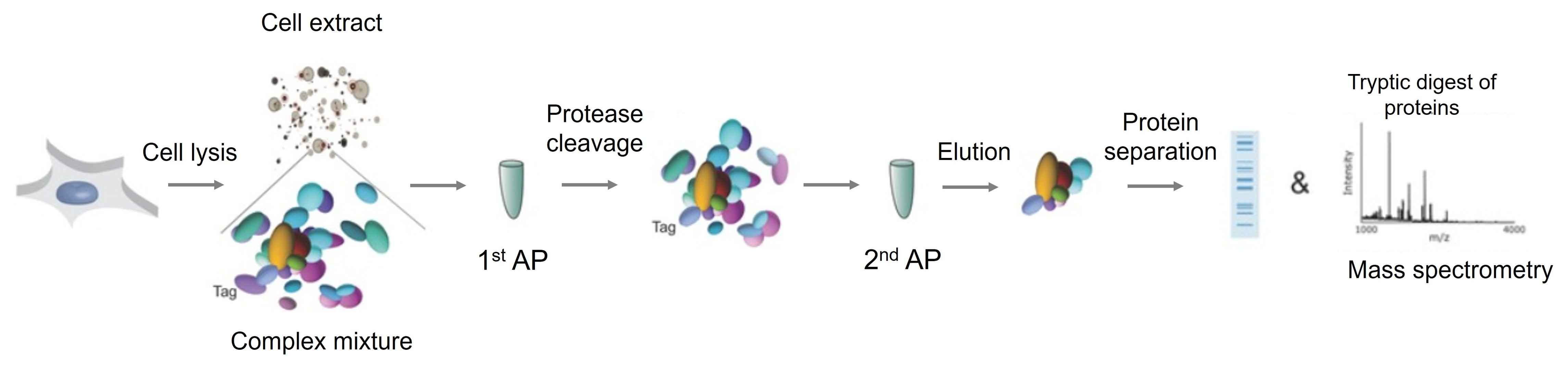 Figure 1. TAP-MS workflow. (Adapted from Oeffinger, 2012)