We use cookies to understand how you use our site and to improve the overall user experience. This includes personalizing content and advertising. Read our
Privacy Policy
Optimizing protein function, stability, and therapeutic performance starts with precise glycosylation. Profacgen's In Vitro Glyco Engineering (IVGE) platform enables controlled modification of glycan structures after protein production, offering predictable, site-specific outcomes without altering cell culture processes. By leveraging tailored glycotransferases and discrete enzyme reactions, IVGE ensures lot-to-lot consistency, improved glycosylation homogeneity, extended serum half-life, and enhanced in vivo efficacy. From targeted glycan introduction to deglycosylation and structural fine-tuning, our services accelerate drug development and bioengineering efforts while maintaining compliance with complex GMP requirements. Partner with Profacgen to harness advanced glycoengineering for superior protein performance.
Why In Vitro Glyco Engineering Matters
Glycosylation, the enzymatic addition of carbohydrate groups to proteins, is one of the most common post-translational modifications and plays a key role in protein folding, stability, immunogenicity, and pharmacokinetics. The process of deliberately altering protein glycosylation to improve biological or physical properties is known as glycoengineering. Extensive research across multiple disciplines has established the importance of glycoengineering in overcoming protein limitations, optimizing therapeutic function, and reducing side effects.
Figure 1. Protein glycosylation. (Ma et al., 2020)
Glycosylation—the attachment of carbohydrate groups to a protein backbone—is a critical quality attribute for many biotherapeutics, influencing:
Pharmacokinetics (PK) and half-life
Immunogenicity and safety
Receptor binding or effector function
Stability and formulation behavior
Uneven, incomplete, or inappropriate glycan structures can compromise the intended biological activity or clinical profile of a product. IVGE allows you to modulate glycosylation after expression, enabling a high degree of control without necessarily reengineering the host cell line.
For teams managing complex biologics portfolios, IVGE can:
Enhance product consistency across production runs
Customize glycan profiles to match clinical target profiles
Support regulatory and comparability strategies
Reduce downstream risk related to unwanted glycan heterogeneity
This becomes particularly valuable when glycosylation variation directly affects safety, efficacy, or lifecycle management decisions.
When To Use In Vitro Glyco Engineering
IVGE is most relevant when:
Your therapeutic protein exhibits undesirable glycan profiles following standard expression
Project goals include enhancing effector functions or reducing immunogenic epitopes
You anticipate regulatory scrutiny on glycoform comparability
Your program needs fine-tuned glycosylation without investing in new cell line development
Unlike de novo host engineering, IVGE focuses on post-production modification—making it an efficient, adaptable approach at various stages of development.
Highlights and Advantages
Lot-to-lot consistency: Glycosylation patterns can be controlled to reduce batch variability Homogeneous glycosylation: Improved uniformity of glycan structures per batch Enhanced pharmacokinetics: Optimized serum half-life and in vivo stability Improved drug efficacy: Fine-tuned glycosylation can enhance therapeutic activity and reduce immunogenicity
In Vitro Glycoengineering: Services & Capabilities
Core IVGE Capabilities
We integrate IVGE into the downstream purification phase of protein manufacturing, allowing precise modification of glycosylation without altering upstream cell culture. Each IVGE process is tested and optimized for feasibility at the manufacturing scale, ensuring reproducibility and quality.
Our core services include:
Targeted glycan introduction at specific protein sites
Incorporation of additional glycosylation sites in the protein backbone
Deglycosylation of glycoproteins produced in host cells
Optimization of glycosyltransferase reactions for consistent and predictable outcomes
Comprehensive Service Suite
Profacgen's IVGE service encompasses a comprehensive suite of activities designed to deliver controlled glycan outcomes in a reproducible, documented manner:
Target Assessment and Strategy Definition
Evaluation of the native glycan profile
Identification of desired modifications based on program goals
Comparative analysis versus reference or target glycoforms
Controlled Enzymatic Remodeling
Sequential or combinatorial enzymatic treatments to achieve target glycan patterns
Monitoring and verification of intermediate steps
Iterative optimization to balance modification depth and product integrity
Analytical Verification
High-resolution glycan profiling (LC-MS, HILIC, or appropriate methods)
Quantitative assessment of glycoform distribution
Verification of glycan identity, linkage, and composition
Documentation and Data Support
Production of detailed process summaries
Quality documentation suitable for CMC dossiers
Supportive analytical reports tailored for regulatory review or comparability packages
Our IVGE workflows are structured with reproducibility and auditability in mind, allowing teams to integrate glycoform-optimized materials into downstream activities with confidence.
The following scenarios illustrate how IVGE supports typical development challenges. These are general examples not tied to specific clients or confidential engagements.
Scenario 1: Improving Effector Function for an Fc-Fusion Protein
Program Context:
A therapeutic Fc-fusion candidate showed promising in vitro activity but exhibited glycan profiles associated with suboptimal effector function, limiting its potential efficacy in vivo.
Objective:
To adjust the protein's glycan composition to enhance Fc receptor interactions and improve functional performance, such as antibody-dependent cellular cytotoxicity (ADCC) or complement activation, while maintaining overall structural integrity.
Approach:
Conduct baseline glycan profiling to identify underrepresented or suboptimal glycoforms
Apply targeted enzymatic treatments (e.g., glycosidases or glycosyltransferases) to enrich desired glycoforms
Perform analytical verification using mass spectrometry, HPLC, and functional assays
Compare the resulting glycoform distribution against defined target profiles to ensure alignment with functional goals
Outcome:
Achieved a glycoform distribution optimized for effector activity
Supported by robust documentation suitable for development planning and comparability studies
Enhanced confidence in translating in vitro findings into preclinical and clinical functional performance
Scenario 2: Reducing Immunogenic Glycans in Early Development
Program Context:
An early-stage protein candidate displayed glycan features potentially associated with immunogenic epitopes, posing a risk for adverse immune responses in preclinical or clinical studies.
Objective:
To reduce or eliminate specific glycoforms linked to immunogenicity risk while preserving the protein's overall structural and functional integrity, thereby improving safety profiles and CMC strategy alignment.
Approach:
Utilize in vitro glycoengineering (IVGE) to selectively remove or modify problematic glycans
Conduct targeted enzymatic modification or addition of protective glycans where appropriate
Perform analytical characterization and verification to confirm glycan removal/modification
Generate comprehensive reports to support risk assessment and regulatory documentation
Outcome:
Produced material with a modified glycan profile reducing potential immunogenicity
Supported preclinical safety evaluations and informed subsequent CMC and clinical strategy decisions
Enabled rational design of glycan profiles for enhanced product safety and regulatory confidence
A: IVGE refers to controlled enzymatic modification of protein glycan structures after protein expression, allowing teams to tailor glycosylation patterns independent of host cell expression systems.
Q: When is IVGE preferred over cell line-based glycoengineering?
A: IVGE is generally chosen when you need rapid, targeted glycan modifications without committing to new host engineering, which can be time-consuming and resource-intensive. IVGE integrates glycan control with downstream development timelines.
Q: Can IVGE results be included in regulatory submissions?
A: Yes. When executed with appropriate documentation and analytical verification, IVGE results can be presented in CMC sections of regulatory dossiers, comparability exercises, or quality justifications, provided the rationale and method are transparent and scientifically defensible.
Q: Does IVGE impact protein stability or activity?
A: IVGE is designed to preserve core protein structure and activity while adjusting glycan patterns. Analytical verification ensures that any modification does not introduce unintended changes.
Q: What kind of analytical methods are used to verify glycan modifications?
A: Common analytical approaches for glycan verification include high-resolution profiling techniques such as LC-MS and HILIC, selected based on molecule type and modification goals.
Q: How is glycan pattern consistency ensured across batches?
A: Consistency is supported by defined processing steps, controlled enzymatic conditions, and rigorous analytical verification, all documented to support repeatability and comparability reporting.
Q: How early in a program should IVGE be considered?
A: IVGE should be considered once your protein sequence and expression data are available and you can define target glycoform profiles based on clinical or regulatory strategies. Early alignment allows effective integration with broader development planning.
Q: How does Profacgen support collaboration during an IVGE project?
A: Profacgen's project coordination includes milestone alignment, regular status communication, and structured data reporting, ensuring transparency and decision support throughout IVGE execution.
Reference:
Ma B, Guan X, Li Y, Shang S, Li J, Tan Z. Protein glycoengineering: an approach for improving protein properties. Front Chem. 2020;8:622. doi:10.3389/fchem.2020.00622
Online Inquiry
Fill out this form and one of our experts will respond to you within one business day.

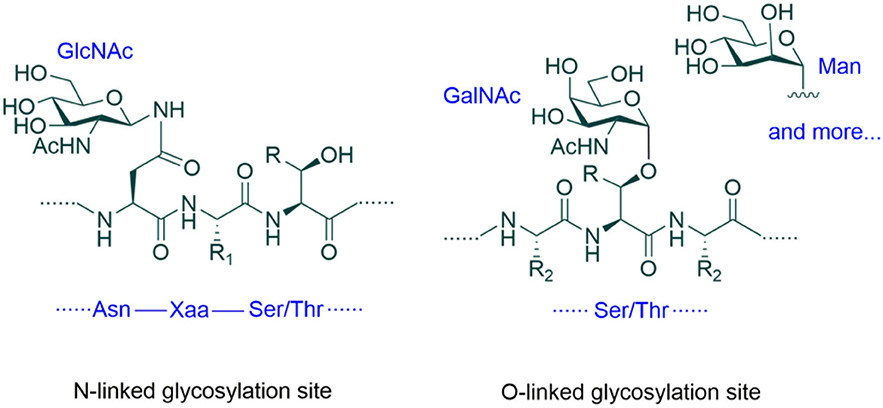 Figure 1. Protein glycosylation. (Ma et al., 2020)