
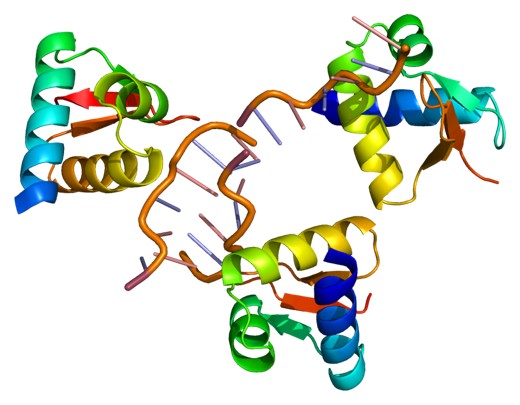
RNA-binding proteins (RBPs) play critical roles in gene expression regulation through a diverse array of post-transcriptional mechanisms. From the moment an RNA is transcribed until its eventual degradation, RBPs physically associate with it to control every aspect of its life cycle: splicing, export, localization, translation, storage, and turnover. The mRNA coding sequence guides protein synthesis while untranslated regions (UTRs) and regulatory sequences modulate the fate of the encoded protein through translational control, subcellular positioning, and interaction with other macromolecules. Conversely, proteins bind and regulate RNA expression and function in a reciprocal relationship essential for maintaining cellular homeostasis.
Disruption of RNA-protein interactions has been implicated in a broad spectrum of human diseases, including neurodegeneration, cancer, metabolic disorders, and viral pathogenesis. Understanding these interactions at molecular and genomic scales is therefore a research priority with significant therapeutic implications. Profacgen offers a comprehensive platform for RNA-protein interaction analysis, providing both RNA-centric approaches (starting from an RNA of interest to discover its binding proteins) and protein-centric approaches (starting from a protein of interest to identify all RNAs it binds), spanning CLIP-based and non-CLIP methodologies.
The importance of RNA-protein interactions has been recognized since the 1960s, when ribosomes were first shown to be ribonucleoprotein complexes. However, the full scope of the RNA-binding protein repertoire remained obscure until the development of systematic, genome-wide methods in the 2010s. The landmark study by Castello et al. (2012) used quantitative mass spectrometry to identify over 800 proteins with RNA-binding activity in human cells—nearly double the number previously recognized—including many metabolic enzymes and proteins with no known RNA-related function. This "expanded RBPome" fundamentally changed our understanding of how extensively RNA and protein worlds intersect.
Today, RNA-protein interaction research is driven by two complementary conceptual frameworks. The RNA-centric approach starts with an RNA molecule of interest and asks: which proteins bind to it? Methods such as RNA pull-down, ChIRP, and RNA-centric CLIP variants are designed to answer this question. The protein-centric approach starts with an RBP and asks: which RNAs does it bind? CLIP-seq and its derivatives (iCLIP, eCLIP, miCLIP) are the primary tools for this question. By combining both approaches, researchers can build comprehensive interaction networks that reveal how post-transcriptional regulation shapes gene expression in health and disease.
A special dimension of RNA-protein interaction analysis concerns RNA modifications—particularly N6-methyladenosine (m6A), the most abundant internal modification on eukaryotic mRNA. m6A functions through a dynamic cycle of deposition (by the METTL3/METTL14 writer complex), recognition (by YTH-domain reader proteins), and removal (by FTO and ALKBH5 erasers). Mapping m6A sites at single-nucleotide resolution and identifying their associated reader proteins has become a major frontier in epigenetics research. Profacgen's miCLIP-seq platform addresses this need directly.
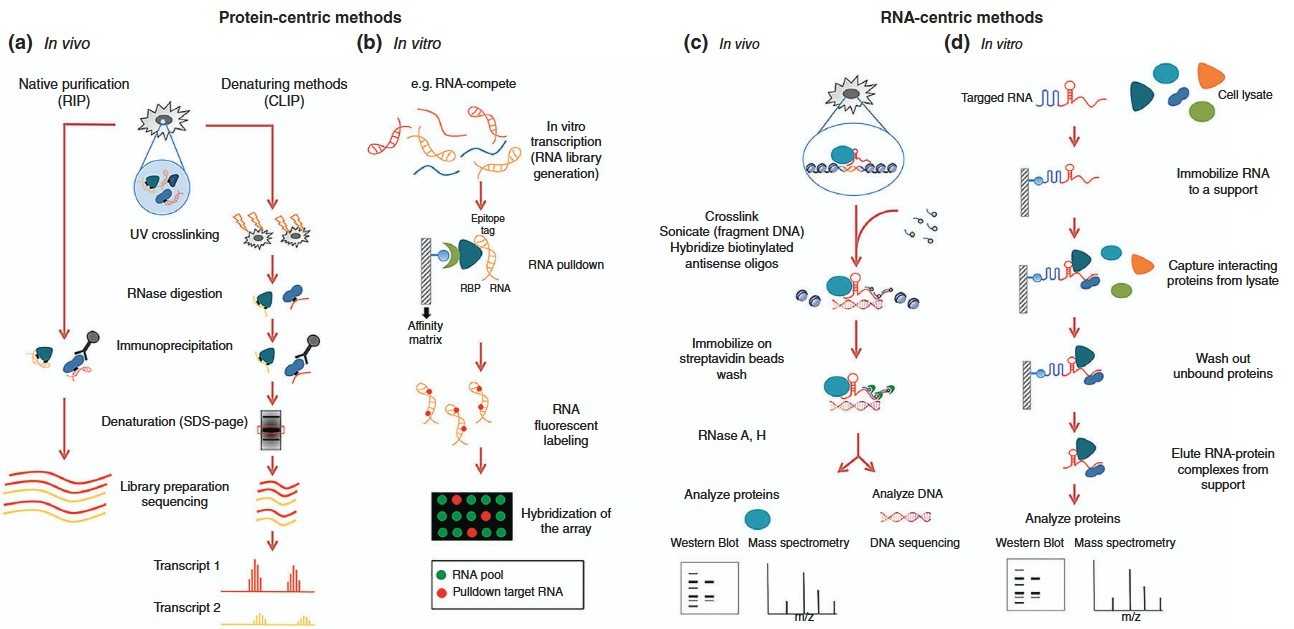 Figure 1. Schematic representation of experimental methods for the identification of protein–RNA interactions. (Left) Protein-centric approaches; (right) RNA-centric approaches. (Marchese et al., 2016)
Profacgen provides a comprehensive portfolio of CLIP-based and non-CLIP methods for RNA-protein interaction analysis:
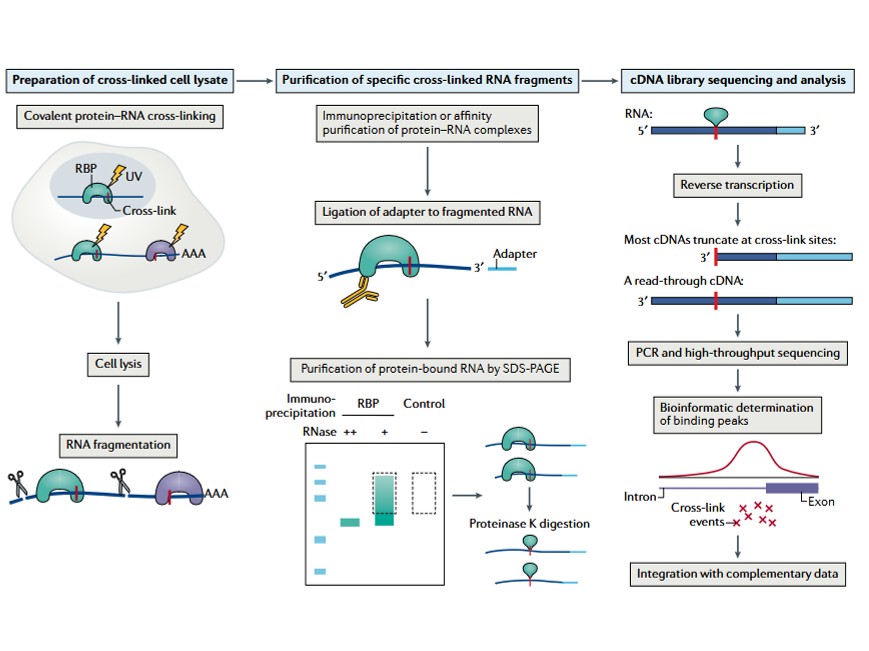
The foundational crosslinking and immunoprecipitation method for genome-wide mapping of protein-RNA interactions. UV crosslinking creates covalent bonds between proteins and directly contacted RNA nucleotides, followed by immunoprecipitation of the target RBP and high-throughput sequencing of associated RNA fragments.
An enhanced CLIP protocol that employs size-matched input controls, single-replicate peak calling, and rigorous computational analysis to deliver higher-confidence binding site maps with reduced technical variability compared to standard CLIP-seq.
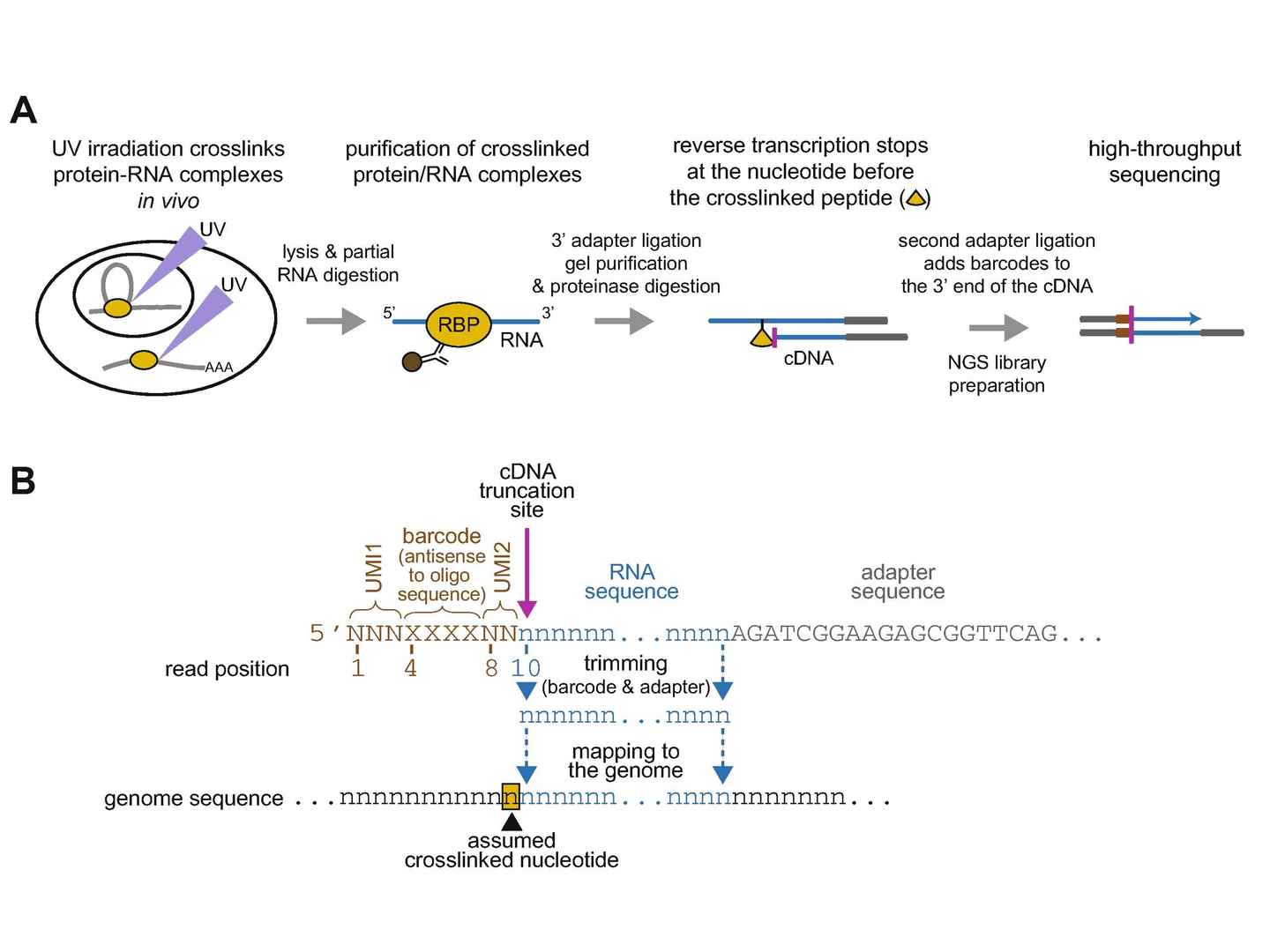
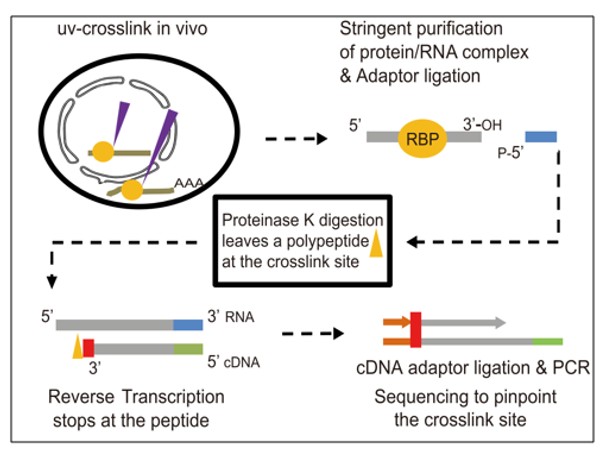
Individual-nucleotide resolution UV crosslinking and immunoprecipitation achieves single-nucleotide precision in mapping protein-RNA crosslink sites. By capturing cDNA truncation events at crosslink positions, iCLIP reveals the exact nucleotides contacted by the RBP across the entire transcriptome.
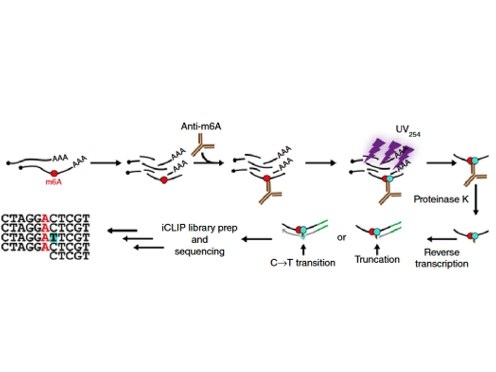
m6A individual-nucleotide-resolution crosslinking and immunoprecipitation maps N6-methyladenosine modifications at single-base resolution across the transcriptome. By detecting characteristic mutation signatures induced by UV crosslinking at m6A sites, miCLIP distinguishes m6A from unmodified adenosines with unprecedented precision.
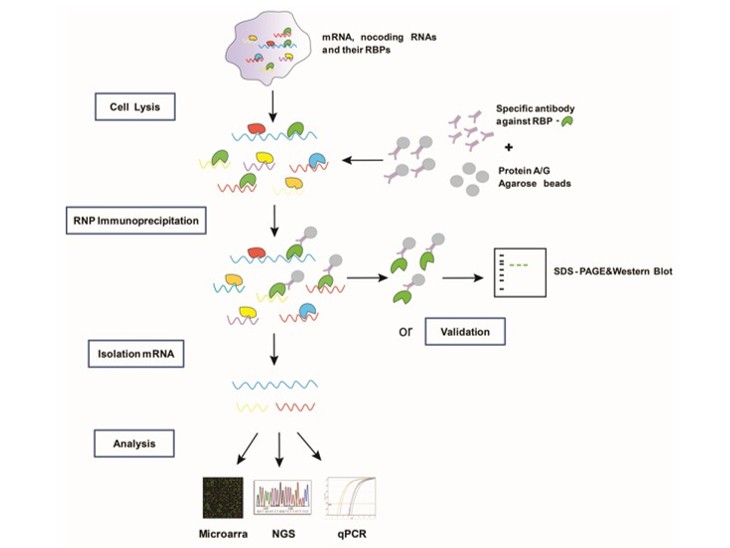
RNA immunoprecipitation followed by sequencing identifies all RNAs associated with a target protein without UV crosslinking. RIP is particularly suitable for studying stable ribonucleoprotein complexes and can be performed under native conditions that preserve weak or transient associations.
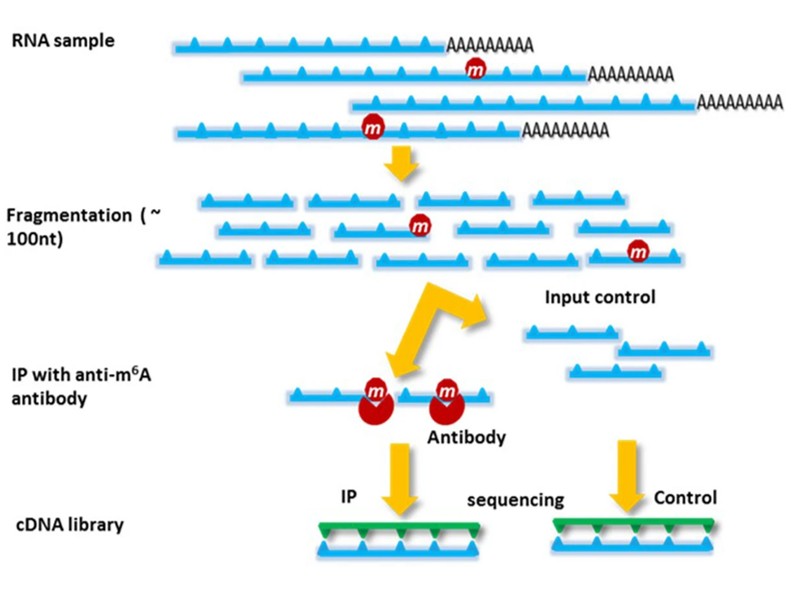
Methylated RNA immunoprecipitation followed by sequencing uses m6A-specific antibodies to enrich methylated RNA fragments, providing a transcriptome-wide map of m6A-modified regions at ~100–200 nucleotide resolution. An efficient first-pass method for global m6A profiling.
All CLIP-family methods share a core experimental workflow that distinguishes them from non-crosslinking approaches:
Profacgen has an experienced team specializing in RNA–protein interaction research. We are committed to providing high-quality technical support and customized solutions for researchers worldwide. We welcome opportunities to collaborate with academic laboratories and industry partners. Contact us now!
References:
Fill out this form and one of our experts will respond to you within one business day.