
Precision Modification for Detection, Purification, and Function
Protein labeling transforms native proteins into functionally enhanced reagents for research, diagnostics, and therapeutics. By attaching biotin, fluorophores, polymers, or solid supports—at defined sites and with controlled stoichiometry—labeled proteins enable sensitive detection, efficient capture, stabilized pharmacology, and probing of molecular interactions. At Profacgen, our Protein Labeling platform combines deep conjugation chemistry expertise with rigorous quality control to deliver labeled proteins with the site specificity, purity, and activity your application demands.
Profacgen offers a full spectrum of protein labeling and modification services, each optimized for specific detection, purification, or functional objectives. Every method can be tailored to your protein's properties, target residue, and downstream application:
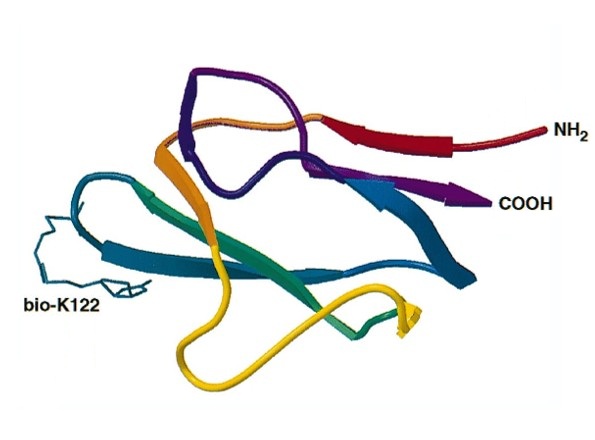
Covalent attachment of biotin to proteins for high-affinity streptavidin-based capture, pull-down, and detection. We offer site-specific and amine/ sulfhydryl labeling strategies with controlled DOL (degree of labeling) to preserve protein activity while maximizing assay sensitivity.
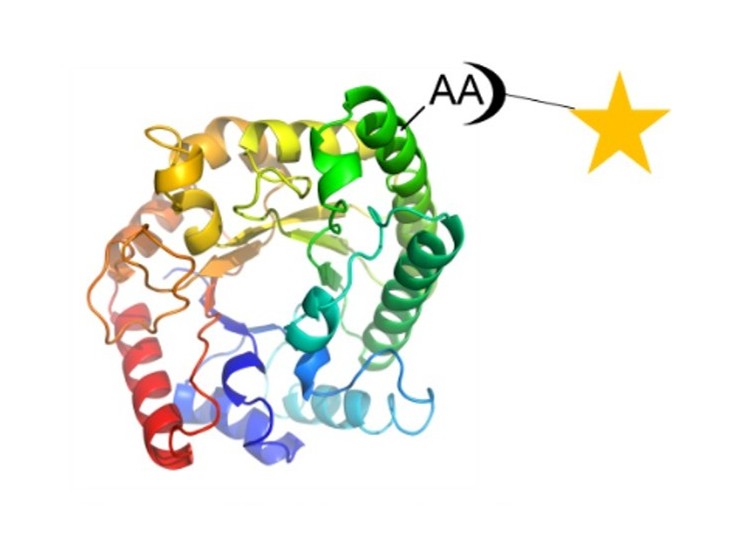
Conjugation of fluorescent dyes—including FITC, Alexa Fluor, Cy, and ATTO series—to proteins for imaging, flow cytometry, and microscopy. Our protocols minimize quenching and aggregation while controlling labeling stoichiometry for reproducible fluorescence readouts.
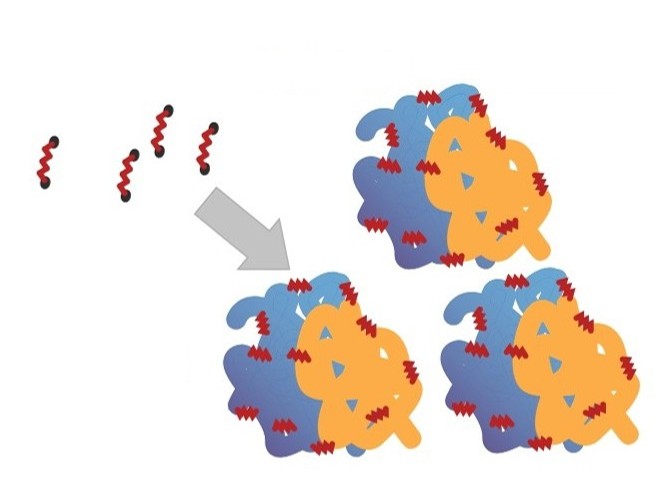
Chemical crosslinking of proteins and peptides to capture interactions, define proximity, and map complex architecture. Using homobifunctional, heterobifunctional, and photoactivatable reagents, we support interaction studies, structural stabilization, and hydrogel or conjugate formation.
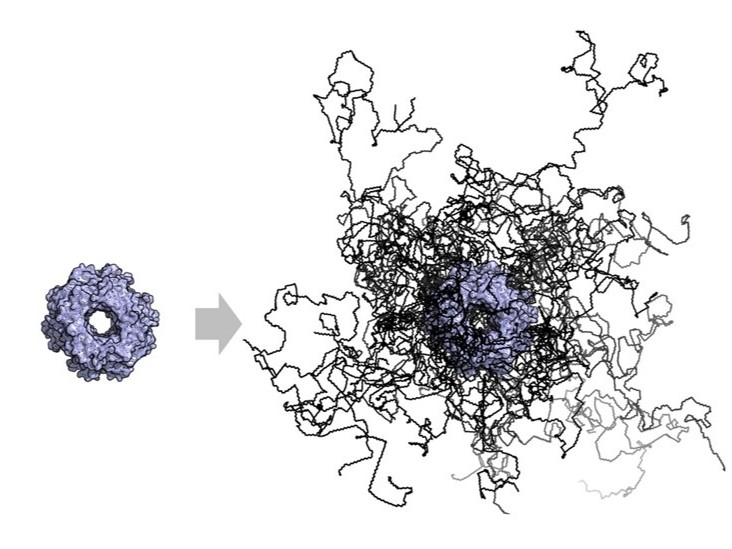
Conjugation of polyethylene glycol (PEG) to proteins and peptides to improve solubility, extend half-life, and reduce immunogenicity. We provide both standard and site-specific PEGylation with defined chain lengths and linker chemistries for therapeutic and research applications.
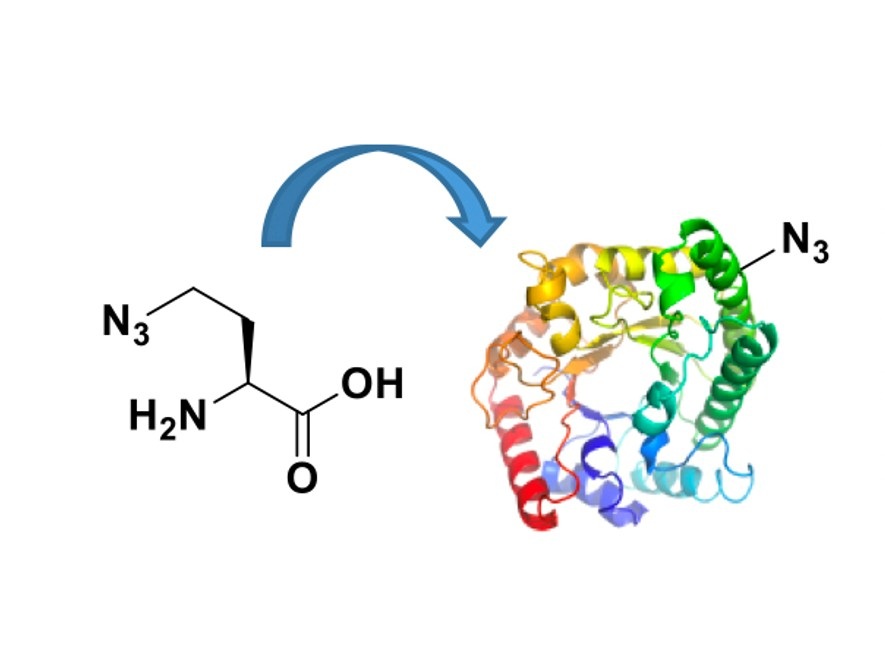
Site-specific introduction of bioorthogonal chemical handles—such as azide, alkyne, and tetrazine groups—via genetic code expansion or chemical modification, enabling subsequent click-chemistry labeling under physiological conditions without perturbing native function.
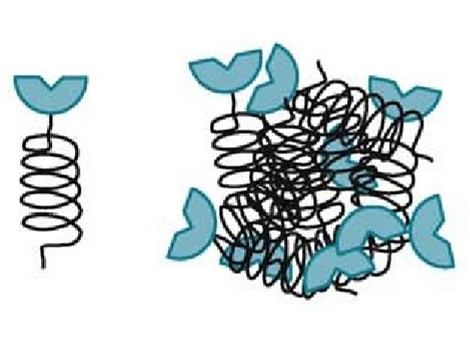
Fusion of proteins with elastin-like polypeptides (ELPs) to confer stimuli-responsive phase behavior for reversible purification, controlled deposition, and tunable pharmacokinetics—without the use of organic solvents or chromatography resins.
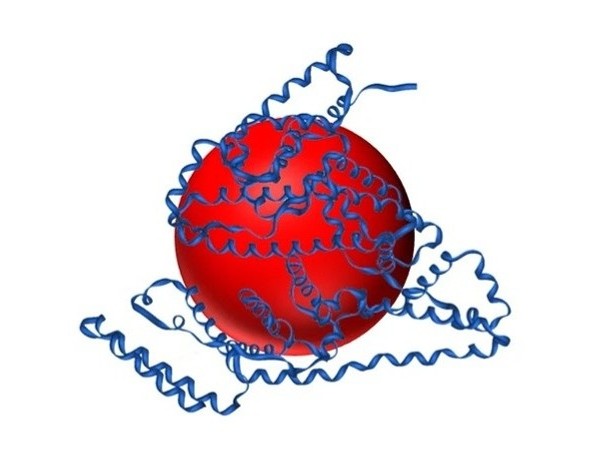
Conjugation of proteins to semiconductor quantum dots for exceptionally bright, photostable fluorescence in long-term imaging and multiplexed detection. We optimize coupling chemistry and surface passivation to maintain both quantum dot brightness and protein activity.
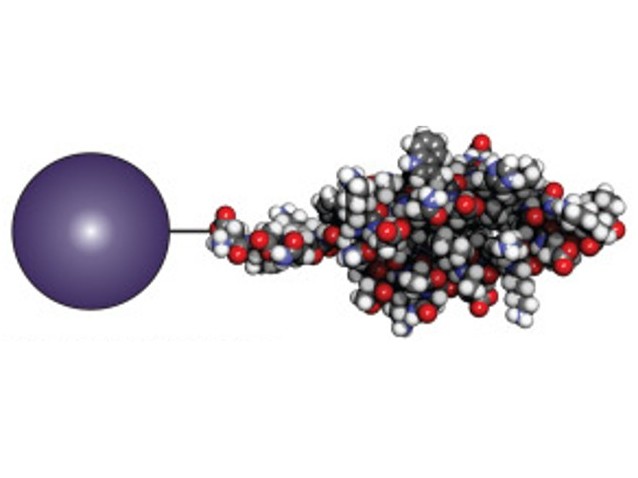
Covalent or affinity immobilization of proteins onto surfaces, beads, and chips for biosensors, affinity matrices, and diagnostic platforms. Our strategies control orientation and density to preserve activity and minimize non-specific binding.
Profacgen's labeling services share a common, quality-driven workflow: target residue and site selection, controlled conjugation chemistry, rigorous removal of free label, and comprehensive characterization by SDS-PAGE, UV–Vis (DOL determination), and activity assays. Whether you need a single modification or a multi-step labeling strategy, our team delivers labeled proteins validated for your specific downstream use. Consult our protein labeling experts now!
For detailed principles, step-by-step protocols, and troubleshooting guides—including solutions to common issues such as low labeling efficiency, dye quenching, and purification challenges—please visit our Protein Labeling Resource Center.Fill out this form and one of our experts will respond to you within one business day.