
Protein-protein interactions (PPIs) are the molecular foundation of virtually all biological processes, from signal transduction and metabolic regulation to immune response and disease pathogenesis. Mapping these interactions with high fidelity is essential for understanding disease mechanisms, validating therapeutic targets, and advancing drug discovery. At Profacgen, we offer a comprehensive, technology-driven platform that spans biochemical, biophysical, genetic, and proteomic approaches to deliver robust, publication-ready interaction data tailored to your research objectives.
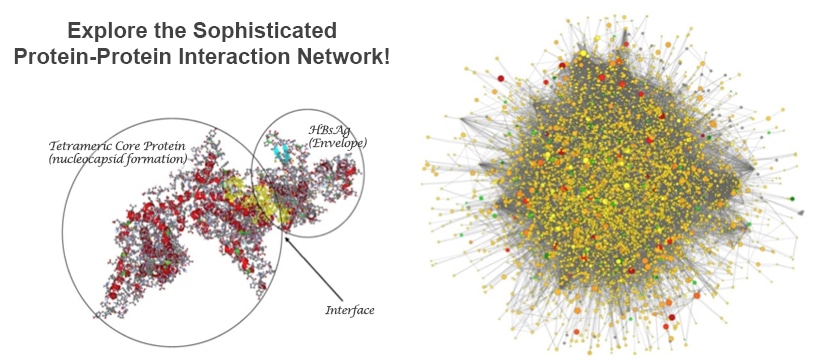
Our biochemical and proteomic approaches capture endogenous and recombinant protein complexes with high specificity, enabling validation of known interactions and discovery of novel binding partners across diverse cellular contexts.
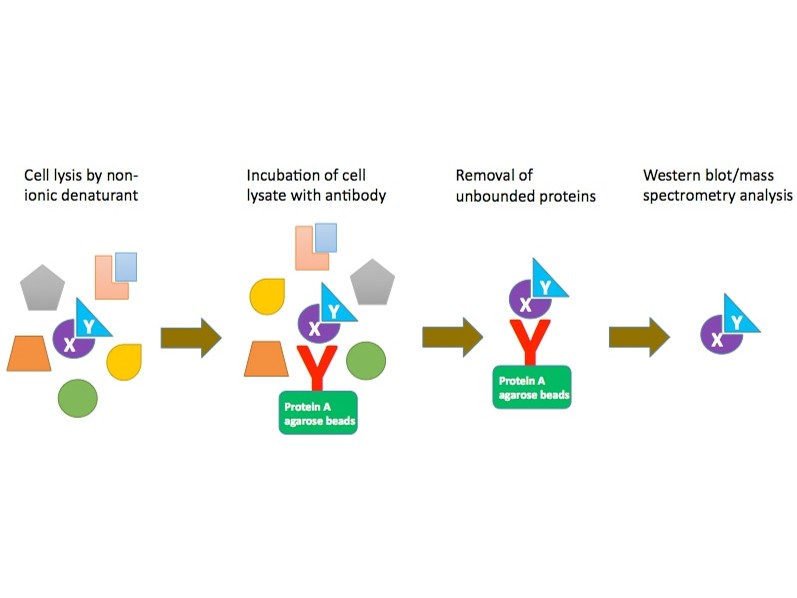
Co-IP remains the gold standard for validating endogenous protein complexes in native cellular contexts. Our optimized protocols preserve weak and transient interactions through gentle lysis buffers and crosslinking strategies, followed by high-resolution Western blot or mass spectrometry readouts. We support both antibody-directed and epitope-tagged approaches to accommodate diverse experimental designs.
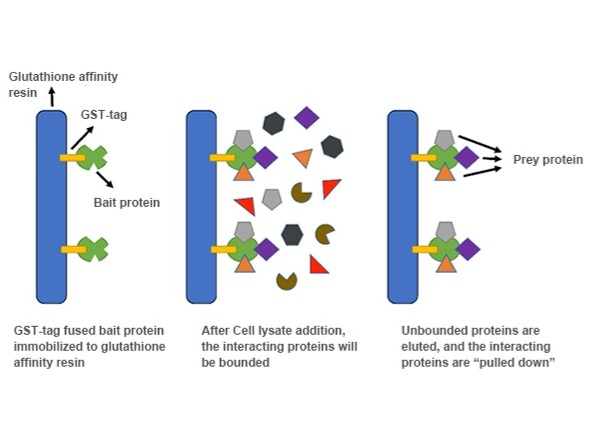
Our pull-down assays leverage recombinant bait proteins immobilized on affinity matrices to capture interacting partners from cell lysates or purified libraries. This approach is ideal for mapping binary interactions, identifying novel binding partners, and characterizing domain-specific interactions with high specificity and reproducibility.
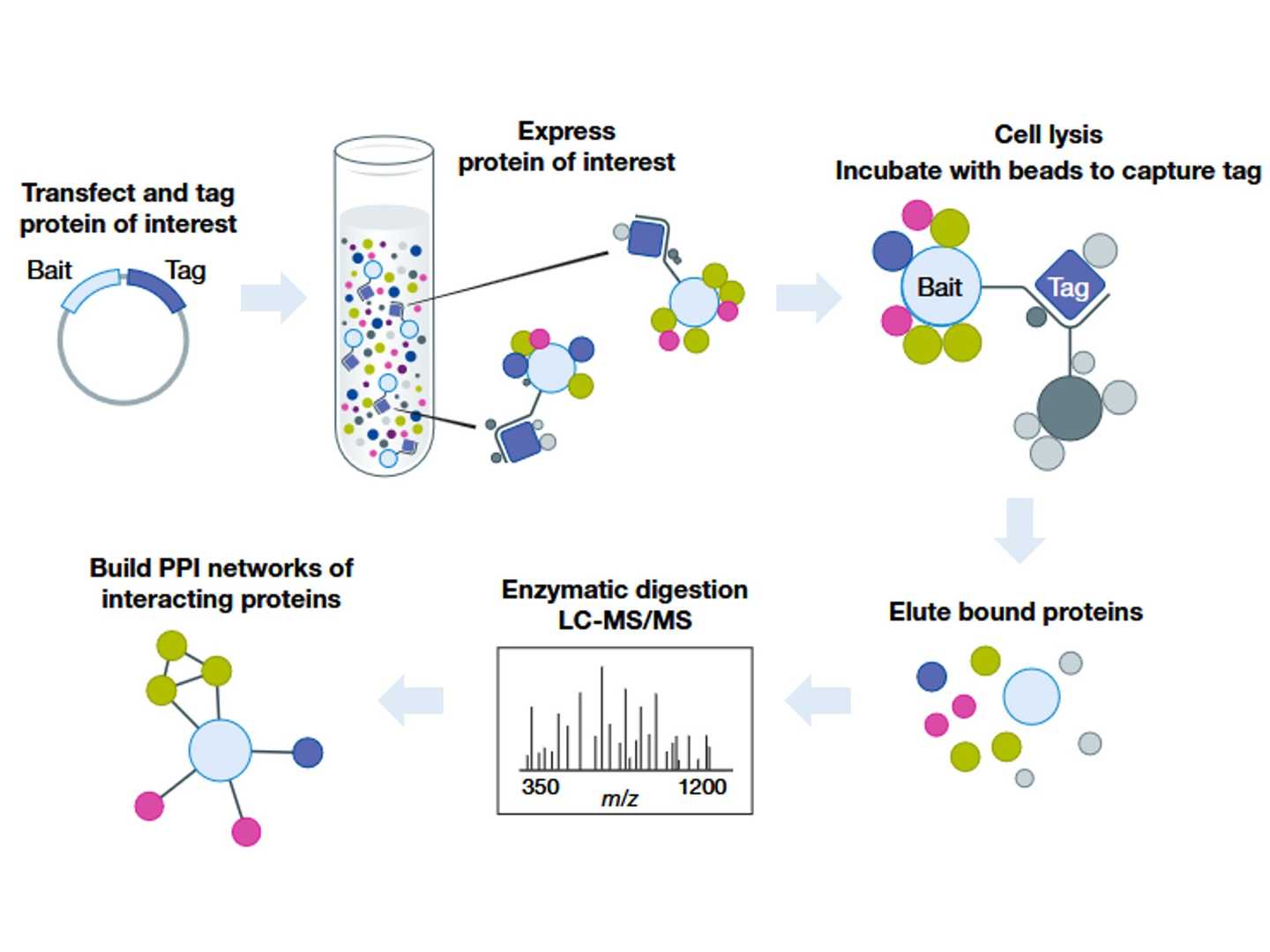
AP-MS combines affinity-based enrichment with high-resolution mass spectrometry to systematically identify protein interaction networks on a proteome-wide scale. Our streamlined workflow—from bait design and stable cell line generation to LC-MS/MS analysis and bioinformatics-driven scoring—ensures comprehensive, high-confidence interactome mapping with quantitative depth.
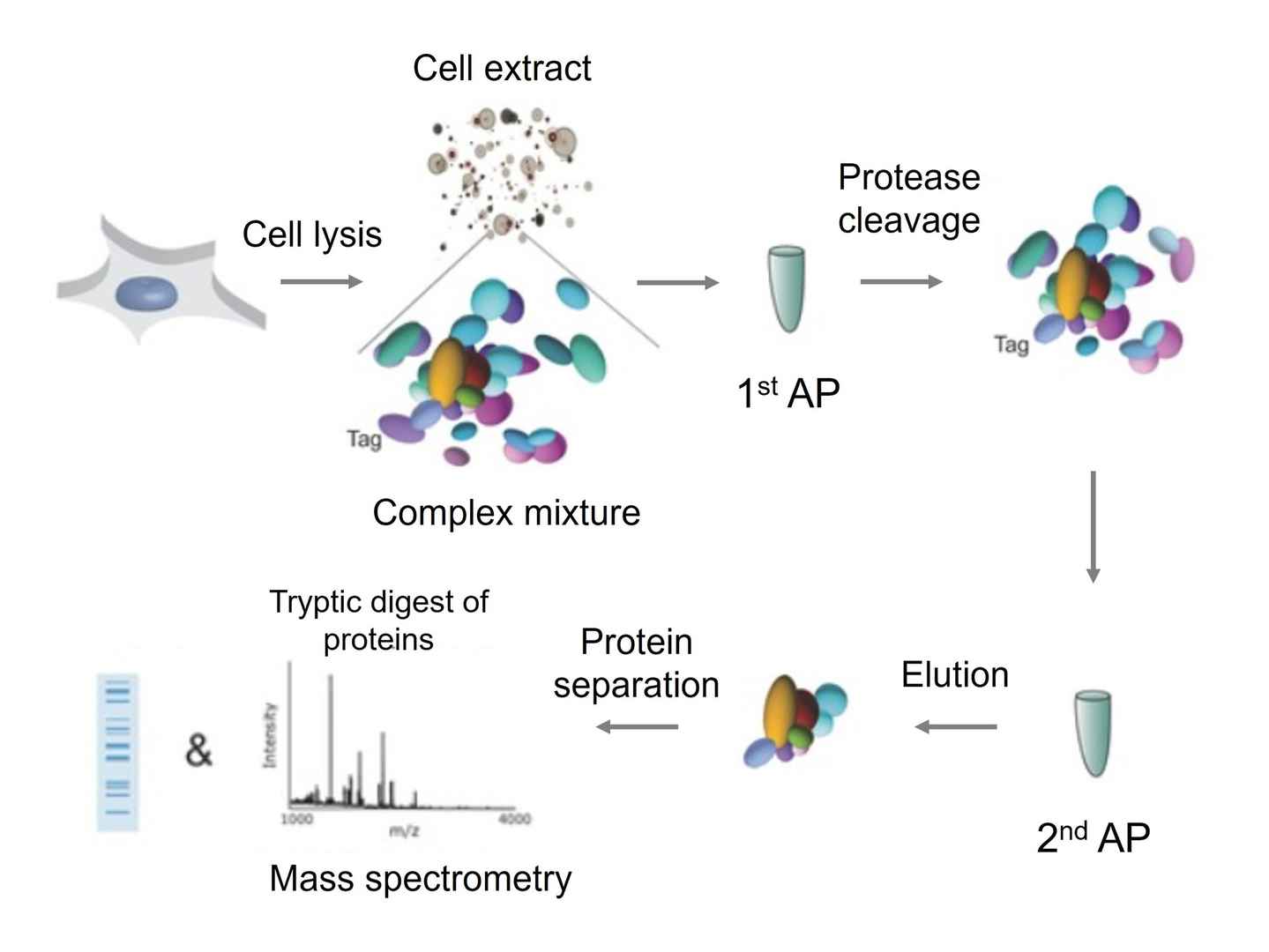
TAP-MS employs dual sequential affinity tags to minimize background contamination while preserving genuine interaction partners. This two-step purification strategy dramatically reduces false positives, making it particularly powerful for characterizing stable protein complexes and mapping multi-subunit assemblies in physiologically relevant settings.
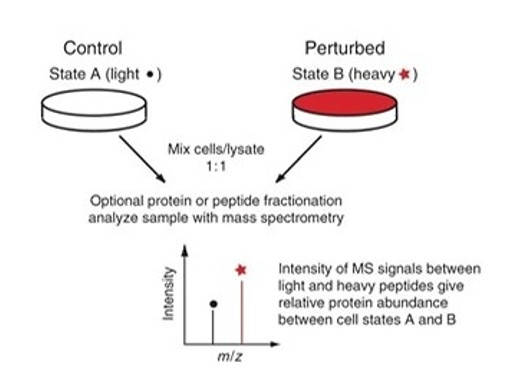
Stable Isotope Labeling by Amino Acids in Cell Culture (SILAC) integrated with immunoprecipitation and mass spectrometry enables quantitative, label-free comparison of protein interaction dynamics under differential conditions. This metabolic labeling approach provides exceptional accuracy for detecting condition-specific interactome changes, such as those induced by drug treatment or pathogenic mutation.
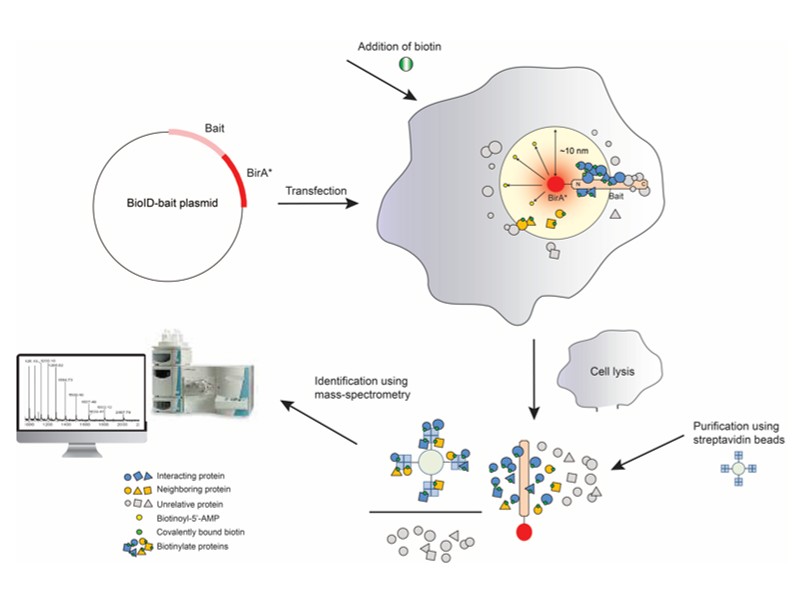
BioID harnesses a promiscuous biotin ligase fused to a bait protein to biotinylate proximal endogenous proteins in living cells, enabling the capture of weak and transient interactions often missed by conventional methods. Our service supports both wild-type BioID and the enhanced TurboID miniaturized variant for spatially resolved, proximity-based interactome mapping in native subcellular compartments.
Our high-throughput genetic and proteomic screening platforms enable systematic, unbiased discovery of protein interaction partners from complex libraries, accelerating target identification and binder optimization.
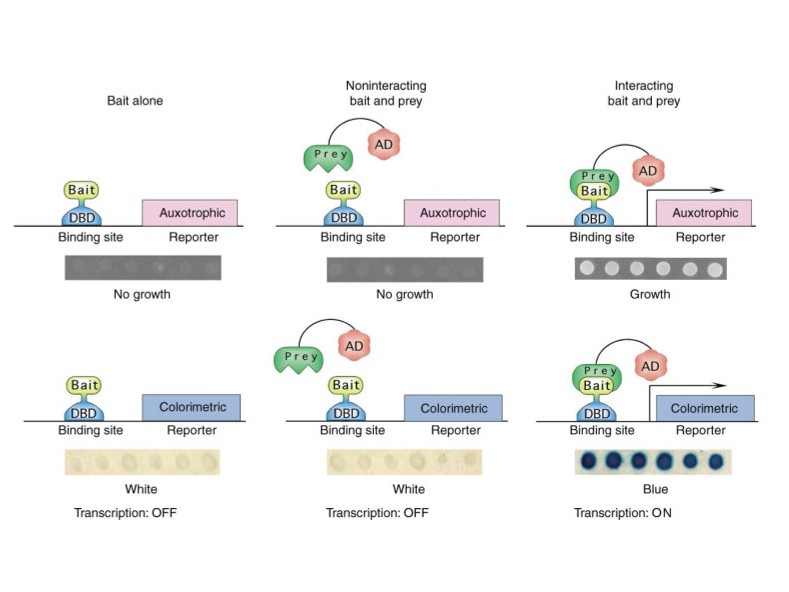
Yeast two-hybrid (Y2H) screening remains a cornerstone technology for large-scale discovery of binary protein interactions. Our optimized Gal4-based and LexA-based systems, combined with stringent reporter selection and high-throughput library screening capabilities, enable rapid identification of novel interaction partners from genome-wide or custom cDNA libraries.
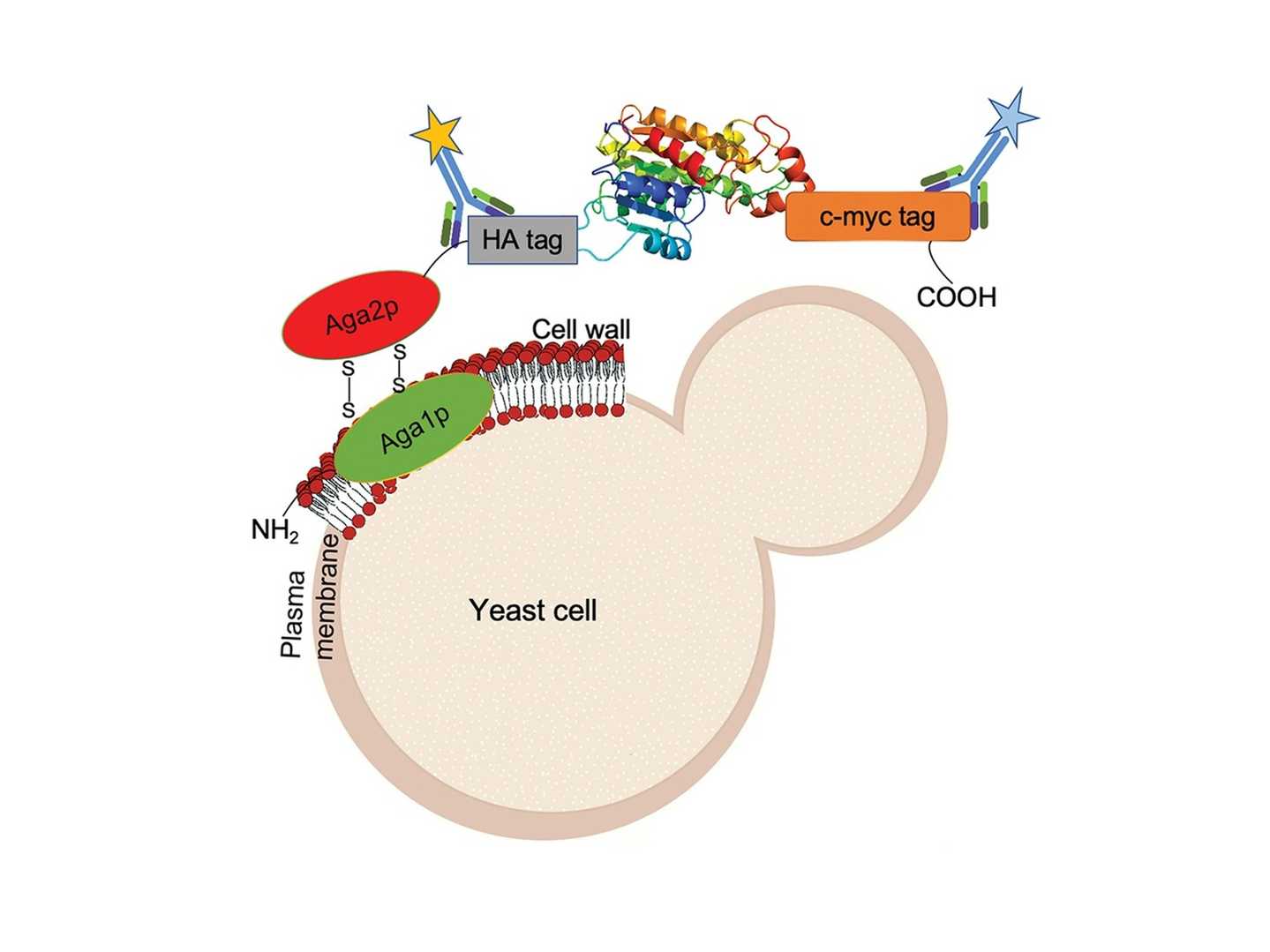
Yeast surface display couples genotype and phenotype by fusing target proteins to the yeast cell wall, enabling fluorescence-activated cell sorting (FACS)-based selection and affinity maturation of protein binders. Our platform supports directed evolution of antibodies, peptide ligands, and scaffold proteins with quantitative binding characterization via flow cytometry.
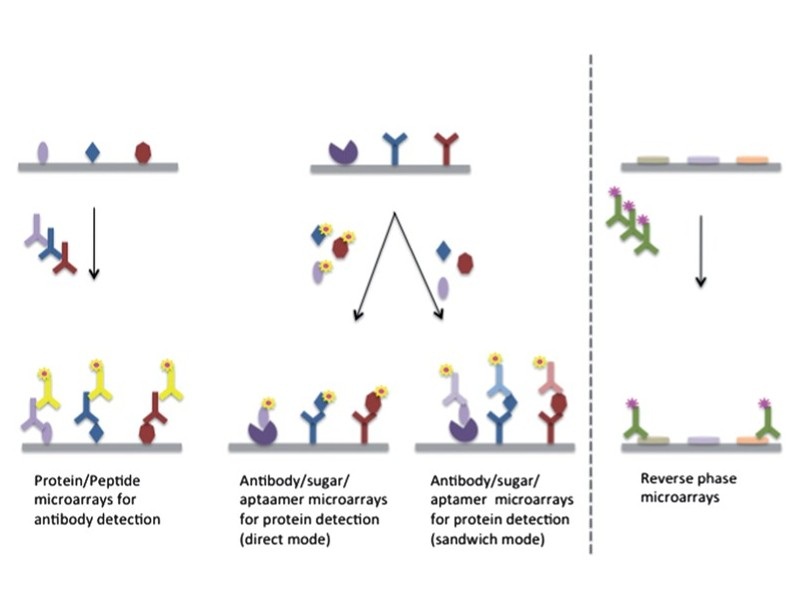
Our high-density protein microarray platform enables parallel screening of thousands of protein-protein interactions on a single chip. This multiplexed approach is ideal for profiling interaction networks, mapping epitope specificity, and identifying off-target binding events with minimal sample consumption and rapid turnaround.
We address challenging interaction classes and analytical requirements through specialized methodologies designed for membrane-associated proteins, precise binding interface mapping, and high-throughput quantitative affinity measurement.
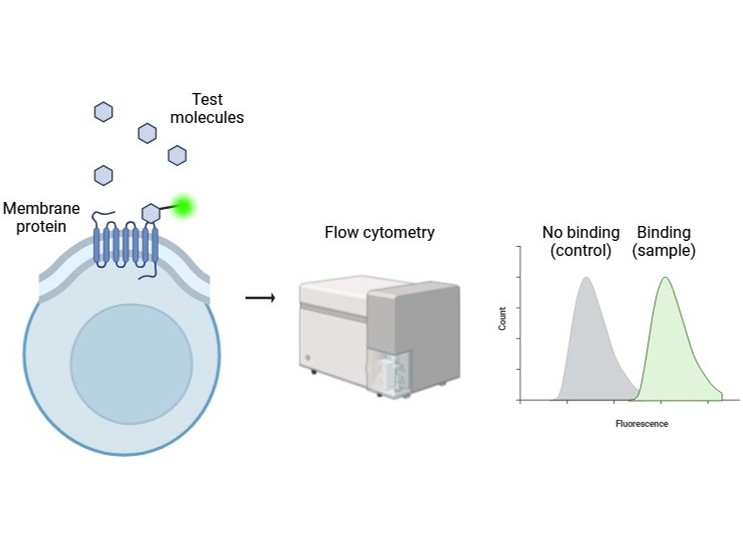
Membrane proteins present unique challenges for interaction mapping due to their hydrophobic nature and dependence on native lipid environments. We employ specialized solubilization strategies, nanodisc reconstitution, and cell-based reporter assays to faithfully capture membrane protein interactions, including GPCR complexes, ion channel assemblies, and receptor-ligand engagements.
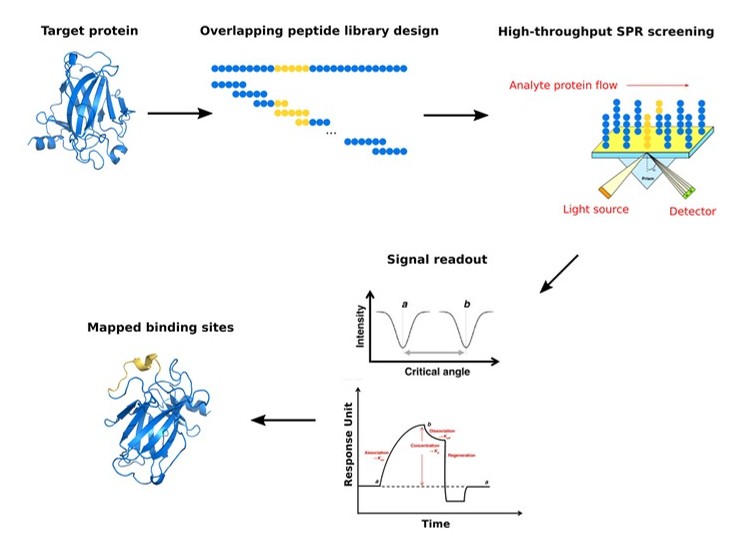
Precise delineation of binding interfaces is critical for structure-guided drug design and mutational studies. Our integrated approach combines hydrogen-deuterium exchange mass spectrometry (HDX-MS), crosslinking mass spectrometry (XL-MS), and computational docking to deliver high-resolution binding site maps that guide rational therapeutic optimization.
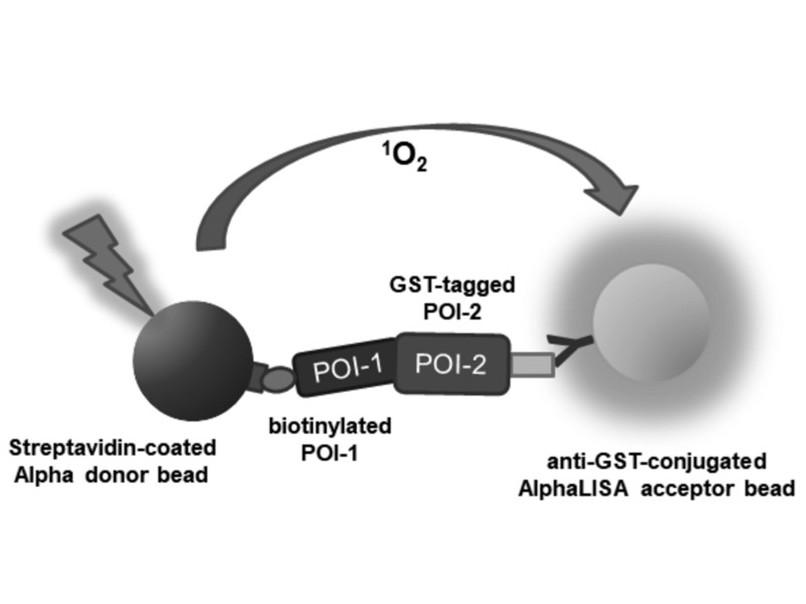
Amplified Luminescent Proximity Homogeneous Assay (ALPHA) technology enables sensitive, homogeneous detection of protein-protein interactions in a bead-based, no-wash format. Our ALPHA screening platform is optimized for high-throughput inhibitor discovery, antibody characterization, and quantitative affinity ranking, delivering robust Z′ factors and reproducible dose-response curves.
Fill out this form and one of our experts will respond to you within one business day.