
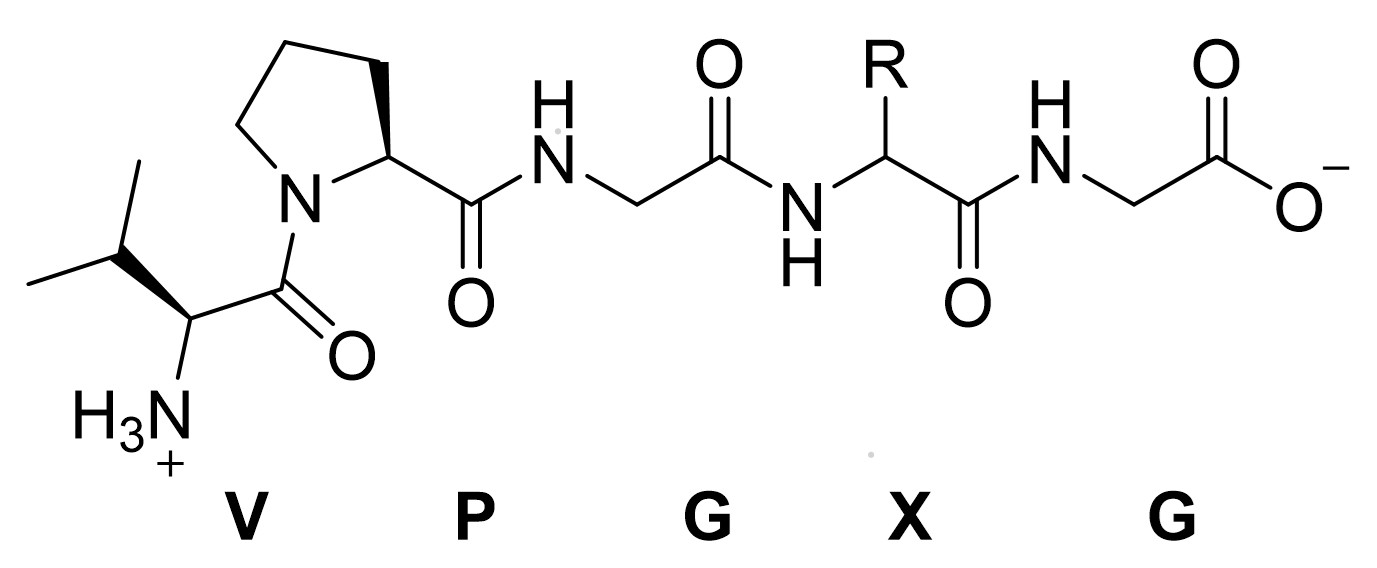
At Profacgen, our Protein ELPylation Service leverages the unique physicochemical properties of elastin-like polypeptides (ELPs) to create fusion proteins with programmable thermoresponsive behavior, enhanced pharmacokinetic profiles, and versatile drug delivery capabilities. ELPs are artificial biopolymers composed of tandem repeats of the Val-Pro-Gly-Xaa-Gly (VPGXG) pentapeptide motif, derived from the hydrophobic domain of mammalian tropoelastin. Their defining characteristic is an inverse temperature transition: ELPs remain soluble and fully hydrated at temperatures below their transition temperature (Tt), but undergo a reversible phase separation into a dense coacervate phase when warmed above Tt.
This thermally triggered self-assembly, combined with the biocompatibility and genetically encodable nature of ELPs, makes ELPylation a powerful and increasingly adopted strategy in protein engineering and drug delivery. ELP fusion proteins retain the biological activity of the cargo protein while gaining the ability to self-assemble into nanoparticles, deposit at hyperthermic disease sites, and function as soluble macromolecular carriers for small-molecule and peptide drugs. Profacgen provides comprehensive ELPylation services from gene design and recombinant expression to purification, phase-transition characterization, and formulation development.
The repeating VPGXG pentapeptide sequence in ELPs adopts a β-spiral secondary structure in which Type II β-turns formed by the VPGXG motif are stacked into a helical arrangement stabilized by intramolecular hydrogen bonds between the carbonyl of the first valine and the amide proton of the fourth residue. In this conformation, the Xaa (guest residue) side chains are solvent-exposed, and the proline restricts backbone flexibility, imparting structural regularity. Below the Tt, the polypeptide chain is fully hydrated and maintains an extended, disordered random-coil conformation in solution.
As the temperature increases toward Tt, hydrophobic hydration—the structured ordering of water molecules around nonpolar side chains—becomes entropically unfavorable. At Tt, this hydrophobic driving force overcomes the conformational entropy of the chain, triggering a sharp cooperative transition in which the polypeptide dehydrates, folds into its structured β-spiral conformation, and aggregates through intermolecular hydrophobic interactions to form micron-scale coacervate droplets. This transition is fully reversible: cooling below Tt restores hydration and solubility.
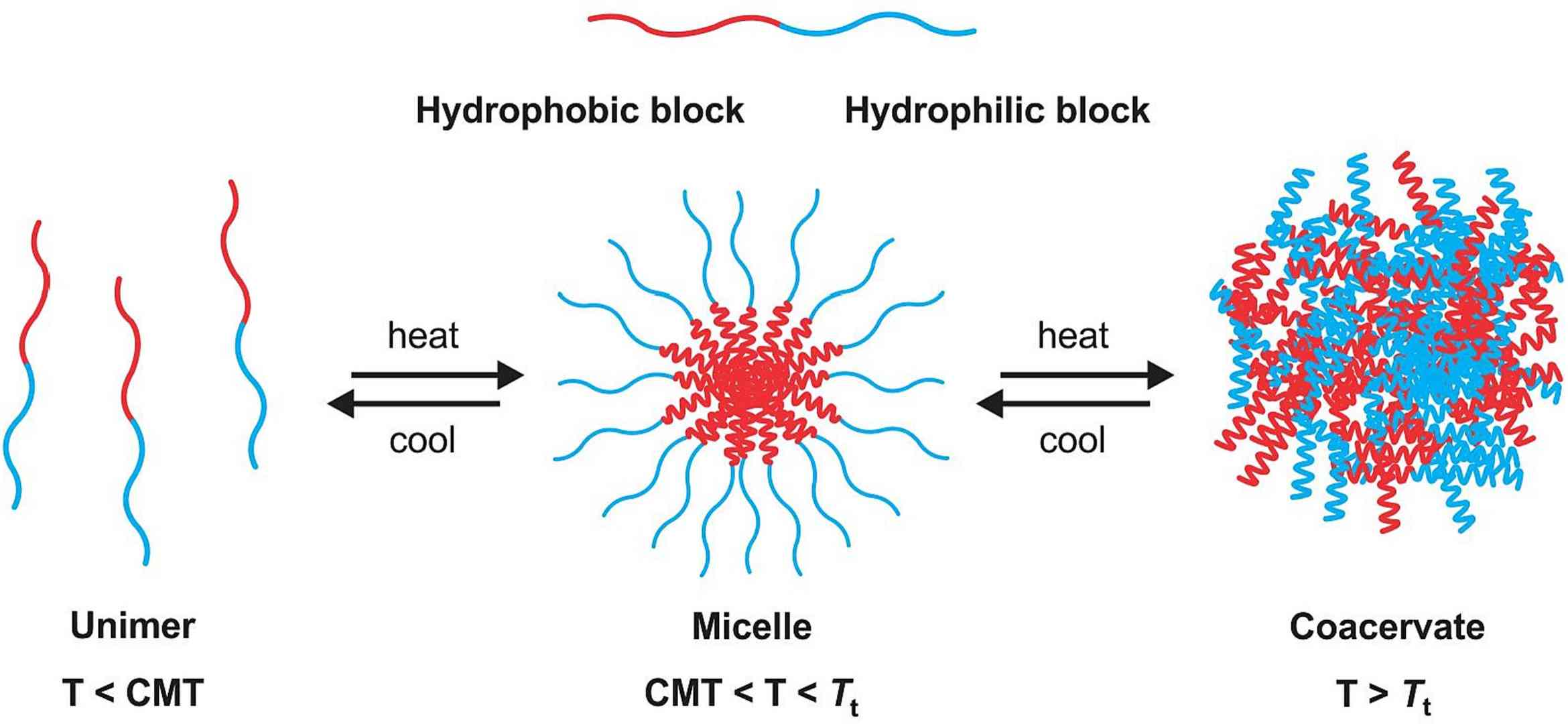 Figure 1. Phase transition behavior of ELP diblock copolymers. (Van Strien et al., 2023)
Crucially, the Tt of an ELP can be precisely programmed by four parameters: guest residue hydrophobicity (more hydrophobic Xaa residues lower Tt); ELP chain length (longer chains have lower Tt due to increased cooperative units); ELP concentration (higher concentrations lower Tt); and solution ionic strength (salts that increase the surface tension of water, such as kosmotropic anions, lower Tt). By manipulating these variables during gene design, ELPs can be engineered with Tt values ranging from below physiological temperature (37°C) to well above it (80°C+), enabling applications in hyperthermia-triggered drug delivery and temperature-responsive purification.
When a therapeutic protein is genetically fused to an ELP (a strategy termed ELPylation), the resulting fusion protein retains the phase-transition behavior of the ELP tag, enabling the combined properties of both moieties: the ELP provides thermoresponsive self-assembly, prolonged circulation, and drug-loading capacity, while the cargo protein provides biological targeting or therapeutic activity.
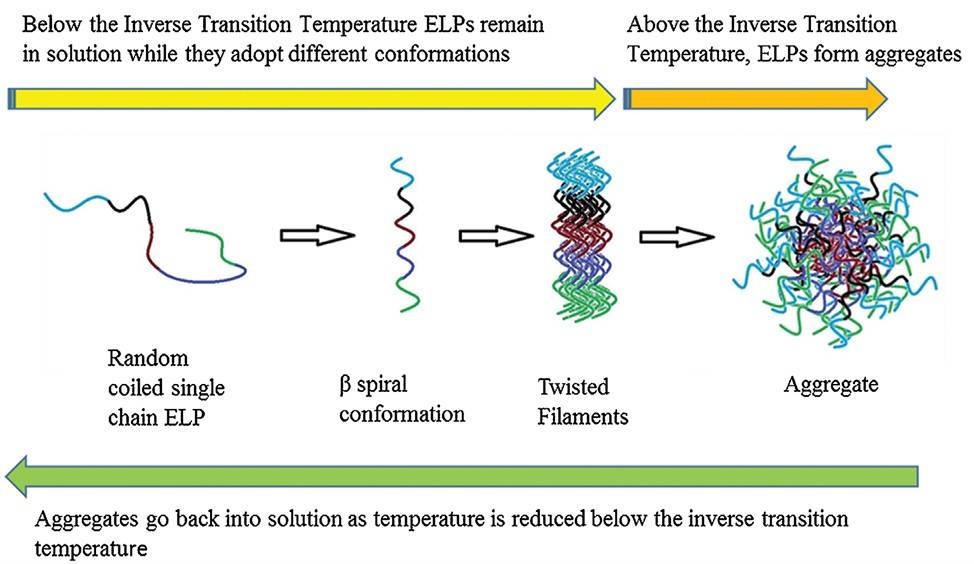 Figure 2. Formation of aggregates by single chain ELPs. (Yeboah et al., 2016)
Profacgen offers a comprehensive platform for ELP fusion protein design, expression, and characterization:
Thermally Targeted Drug Delivery
Exploiting the EPR effect combined with local hyperthermia to achieve tumor-selective accumulation of ELP fusion proteins. When systemically administered, ELP fusions remain soluble at body temperature; applied hyperthermia at the tumor site triggers phase separation and enhanced deposition.
Solubilization and Delivery of Hydrophobic Drugs
Amphiphilic ELP block copolymers self-assemble into core-shell micelles with a hydrophobic drug-loading core and a hydrophilic, biocompatible ELP shell, enabling formulation of poorly soluble therapeutics.
Temperature-Responsive Affinity Purification
ITC-based purification eliminates the need for affinity tags, protease cleavage, and expensive chromatography resins, reducing purification costs by up to 80% while achieving comparable purity.
Long-Acting Protein Therapeutics
The large hydrodynamic radius of ELP fusions (40–100 kDa ELP tags) reduces renal clearance, extending circulating half-life from minutes to hours or days without the immunogenicity concerns of PEGylation.
Background:
An immuno-oncology group sought to improve the therapeutic index of IL-2, which has potent anti-tumor activity but dose-limiting vascular leak syndrome (VLS) due to systemic immune activation.
Approach:
Profacgen designed an ELP-IL-2 fusion with Tt = 41°C (150 repeats of VPGVG), expressed it in E. coli, and purified by ITC. Tumor-bearing mice received i.v. injection followed by local tumor hyperthermia (42°C, 1 h) at 4 h post-injection.
Outcome:
Hyperthermia triggered 12-fold higher ELP-IL-2 accumulation in heated tumors versus contralateral non-heated tumors. Systemic IL-2 exposure (AUC) was reduced by 60%, virtually eliminating VLS while maintaining equivalent intra-tumoral cytokine concentrations. Tumor growth inhibition was 85% in the ELP-IL-2 + hyperthermia group versus 40% for free IL-2 at the same total dose. The study established proof-of-concept for clinical translation using regulatory agencies-approved hyperthermia devices.
Background:
A formulation group needed to replace Cremophor EL (a toxic surfactant) from their paclitaxel injectable formulation while maintaining equivalent drug loading and stability.
Approach:
Profacgen designed an amphiphilic diblock ELP with 60 repeats of hydrophilic VPGEG and 40 repeats of hydrophobic VPGFG. The ELP self-assembled into 80 nm micelles at 37°C with a CMC of 2 μM. Paclitaxel was loaded by solvent evaporation at a drug-to-polymer ratio of 1:5 w/w.
Outcome:
The ELP micelles solubilized paclitaxel at 5 mg/mL in PBS (30-fold higher than its aqueous solubility of 0.17 μg/mL), completely eliminating the need for Cremophor EL. Drug loading was 12% w/w with >95% encapsulation efficiency. Release kinetics showed sustained release over 72 hours (vs. burst release from Cremophor formulation). In a xenograft model, the ELP-paclitaxel formulation showed equivalent anti-tumor efficacy with no hypersensitivity reactions, whereas 30% of animals in the Cremophor group exhibited anaphylactoid responses.
Discuss Your ELPylation Project
References:
Fill out this form and one of our experts will respond to you within one business day.