
Protein mutagenesis and structural modification are fundamental strategies in modern protein engineering, enabling the precise modulation of protein function, stability, and interaction properties. By introducing targeted or random genetic modifications, researchers can systematically explore structure--function relationships and develop proteins with enhanced or novel characteristics.
At Profacgen, we provide comprehensive mutagenesis and structural modification services that integrate gene-level engineering, protein design, and functional validation. Our platform supports a wide range of applications, including enzyme optimization, therapeutic protein development, and disease-related protein studies such as E3 ubiquitin ligase-associated neurological disorders. With advanced technologies and a highly experienced team, we deliver customized solutions from initial mutagenesis design to downstream protein characterization and production.
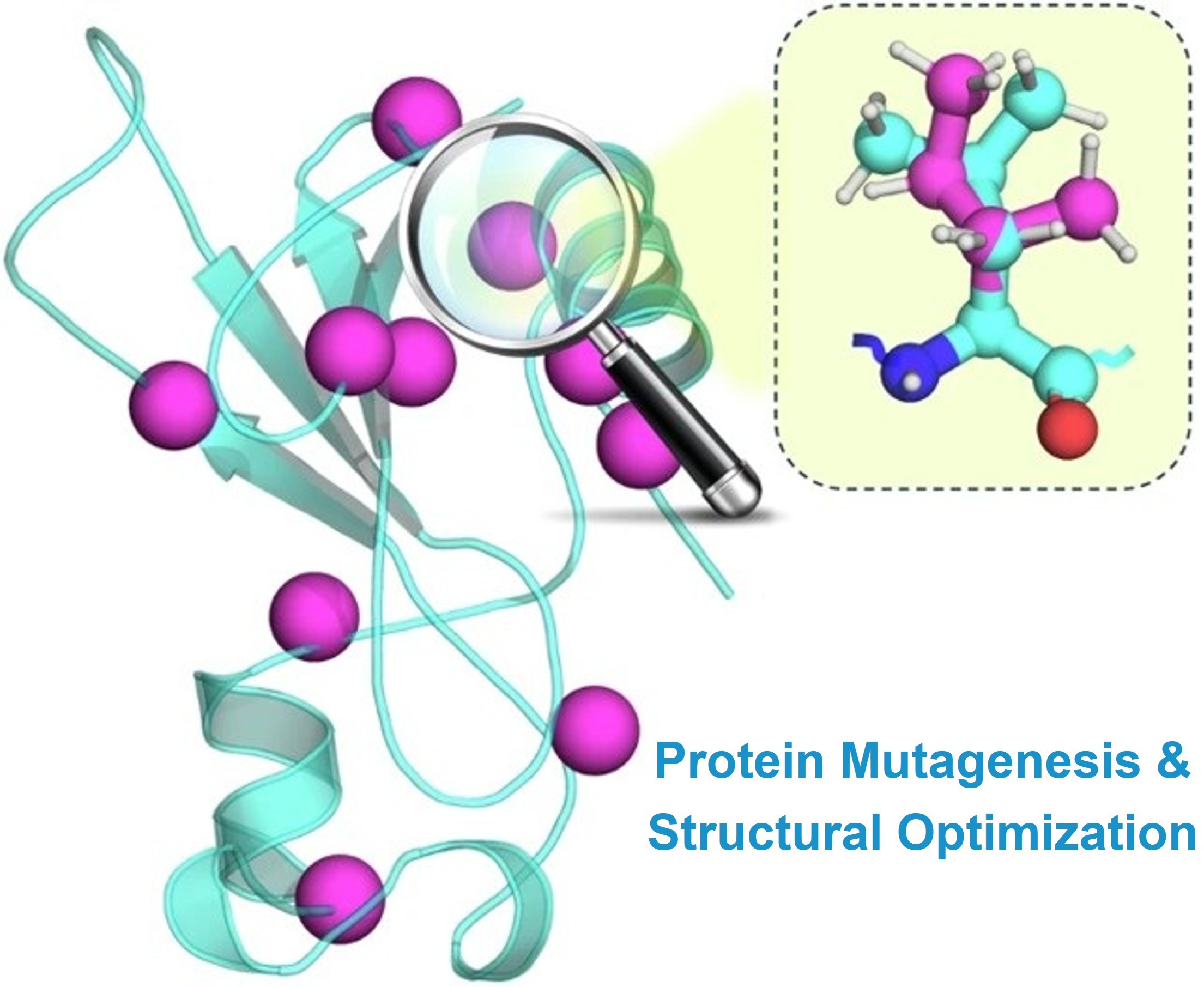
Structural or genetic engineering of proteins inevitably leads to changes in protein function. Protein mutagenesis is a core approach used to investigate and manipulate these changes by introducing alterations at the DNA level.
Mutagenesis refers to the process of generating genetic mutations, including:
These approaches allow researchers to:
Beyond genetic mutation, structural optimization focuses on altering protein conformation and physicochemical properties. This can involve:
Such modifications can significantly influence protein folding, dynamics, and interactions, ultimately leading to desired functional outcomes.
Mutations in E3 ubiquitin ligase genes have been reported in multiple neurological conditions, highlighting their critical role in cellular protein homeostasis.
E3 ligases regulate protein degradation through the ubiquitin--proteasome system, and their dysfunction is associated with:
By leveraging mutagenesis and structural optimization, researchers can investigate the functional consequences of E3 ligase mutations and develop strategies for therapeutic intervention.
Profacgen provides a full suite of mutagenesis and structural modification services, covering both upstream design and downstream validation.
Gene-Level Mutagenesis Services
Protein Structural Engineering
Specialized Engineering for E3 Ligases
Library Construction and Screening
Molecular Cloning and Expression
Protein Characterization and Analysis

Challenge:
A client aimed to improve the catalytic efficiency of an industrial enzyme to enhance process economics. Existing enzyme activity was suboptimal for large-scale applications, limiting throughput and increasing operational costs.
Approach:
Profacgen performed detailed structural analysis to identify key active-site residues critical for substrate binding and catalysis. Targeted site-directed mutagenesis was conducted to generate focused variants exploring beneficial substitutions at these positions. Each variant was systematically screened for catalytic activity under relevant industrial conditions to quantify performance improvements.
Outcome:
Achieved a significant increase in catalytic efficiency compared to the wild-type enzyme. Comprehensive mutational analysis identified specific substitutions responsible for enhanced performance, providing valuable mechanistic insights. The optimized enzyme enabled more efficient industrial processing, delivering improved productivity and reduced costs for the client's manufacturing operations.
Challenge:
A research group studied the role of E3 ligase mutations in neurodegenerative disease pathogenesis. Understanding how specific mutations impacted protein function was critical for elucidating disease mechanisms and identifying potential therapeutic interventions.
Approach:
Profacgen generated multiple mutant variants of the E3 ligase gene corresponding to clinically observed mutations. Each variant was subjected to comprehensive functional analyses, including ubiquitination activity assays, and structural characterization to assess conformational changes and protein folding integrity.
Outcome:
Identified specific mutations that significantly affected protein stability, folding efficiency, and enzymatic function. These findings provided mechanistic insights linking genotype to phenotype in neurodegenerative disease progression. The research group gained a clearer understanding of disease mechanisms, enabling more informed development of targeted therapeutic strategies.
Challenge:
A biotech company needed to improve the stability of a therapeutic protein that exhibited insufficient conformational stability under physiological and storage conditions, compromising formulation and shelf life.
Approach:
Profacgen applied rational structural design guided by computational modeling to identify regions amenable to stabilizing mutations. Candidate substitutions were introduced to enhance intramolecular interactions, including hydrogen bonding and hydrophobic packing. Engineered variants were evaluated for protein folding efficiency, thermodynamic stability, and resistance to thermal and mechanical stress.
Outcome:
Enhanced protein stability under physiological and accelerated stress conditions, with improved folding yields and resistance to aggregation. The optimized therapeutic protein demonstrated superior suitability for formulation development, enabling the client to advance their candidate with improved manufacturability and extended shelf life.
Consult Our Experts on Your Project
References:
Fill out this form and one of our experts will respond to you within one business day.