
Stable and high-performing cell lines are essential for successful industrial-scale production of recombinant proteins and biologics. However, translating early-stage expression systems into manufacturing-ready platforms requires not only robust cell line construction, but also deep integration with upstream process development, media optimization, and quality control strategies.
Profacgen provides Cell Line Development for Industrial Manufacturing services designed to bridge the gap between discovery and large-scale production. By combining advanced gene delivery technologies, high-throughput clone screening, and process-oriented optimization, we deliver stable cell lines with high productivity, reproducibility, and scalability. Our flexible development strategies enable clients to accelerate preclinical programs while ensuring readiness for cGMP manufacturing and regulatory compliance.
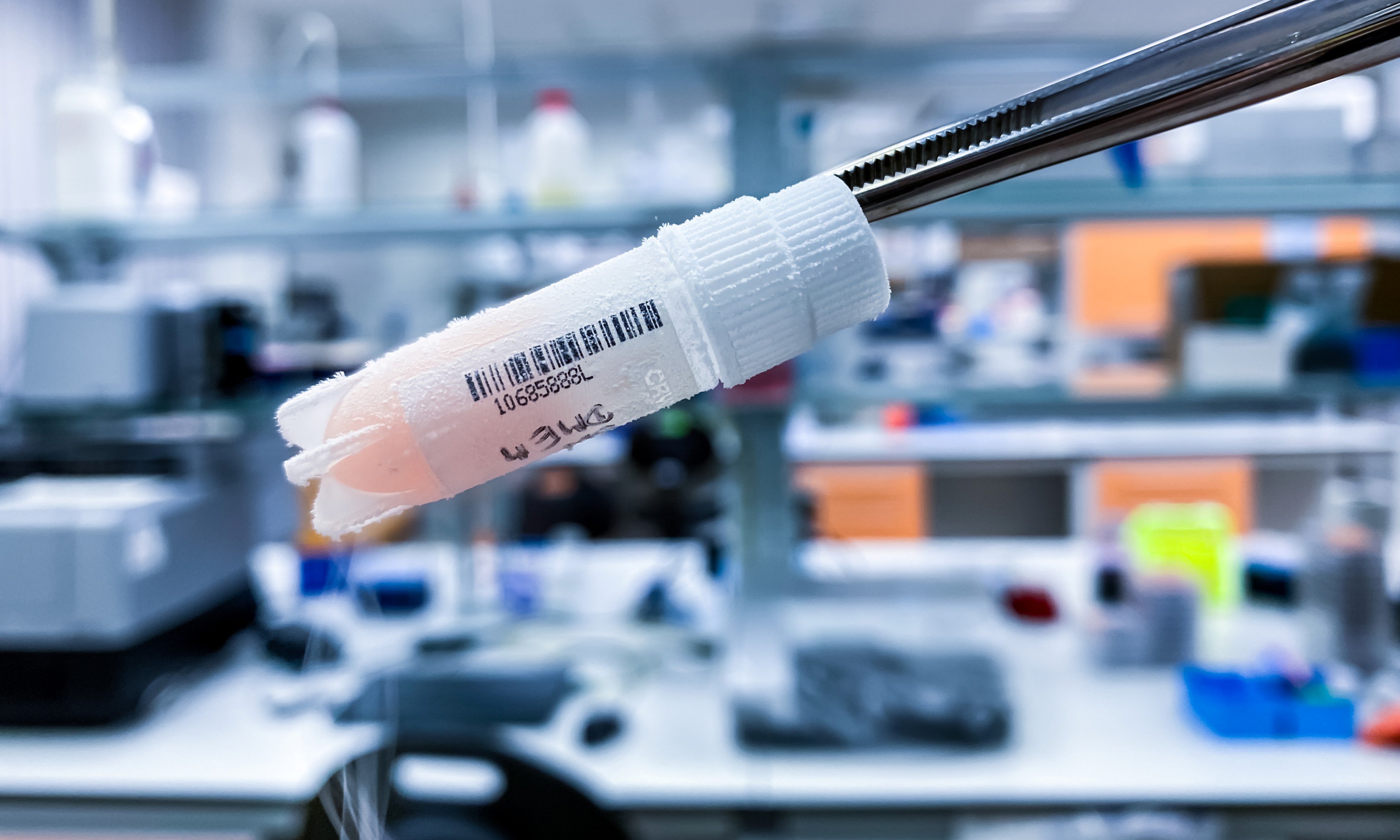
Profacgen provides stable cell line development service for industrial protein manufacturing. We offer various cell line development options, which allow maximum flexibility in meeting our clients' expectations and accelerating the preclinical drug development process.
Stable expression line construction is recommended for reproducible and cost-effective protein production, especially when large quantities of recombinant protein are required. Compared to transient expression systems, stable cell lines provide:
Stable cell line development is significant for:
Despite these advantages, developing a manufacturing-ready cell line involves multiple challenges:
Therefore, modern industrial cell line development requires a holistic, process-driven approach, rather than focusing solely on expression levels.
At Profacgen, we integrate cell line engineering with upstream process development to create production-ready cell lines optimized for industrial manufacturing. Our workflow combines proven methodologies with advanced technologies to ensure both performance and scalability.
Gene Delivery and Stable Cell Line Generation
We employ efficient gene delivery strategies to ensure high integration rates and stable expression.
Core Technologies:
Optional Advanced Strategies:
At Profacgen, we use lentiviral vectors for efficient gene delivery and to achieve high integration rates, enabling rapid generation of stable pools and clones.
Clone Screening and Selection
Following gene integration, we identify high-performing clones using robust and scalable screening strategies.
Screening Methods:
Enhanced Screening Capabilities:
These approaches ensure that only clones with high yield, stability, and manufacturability progress further.
Cell Culture and Media Development
To support industrial scalability, we develop optimized culture conditions tailored to each cell line.
Capabilities:
Quality Control:
The establishment of robust basal and feed media strategies is critical for maximizing productivity across diverse cell lines.
Upstream Process Development and Optimization
We align cell line performance with industrial bioprocess conditions to ensure scalability.
Process Development Services:
Scale-Up Strategy:
Product Quality Optimization
Product quality is a critical consideration in industrial manufacturing, especially for therapeutic proteins.
Key Focus Areas:
Product quality is continuously monitored and optimized during process development and scale-up to ensure compliance with regulatory expectations.
Process Integration and Technology Transfer
We design development workflows with downstream manufacturing and regulatory requirements in mind.
Key Features:
Additional Support:
Our integrated approach reduces development risks and accelerates transition to manufacturing.
Challenge:
A client required large-scale production of an industrial enzyme with exceptionally high yield and low production cost to meet commercial demand. Traditional batch processes yielded insufficient titers and inconsistent quality.
Approach:
Profacgen employed lentiviral-mediated stable integration to ensure robust and uniform transgene delivery. High-throughput clone screening identified top-producing clones with favorable growth characteristics. We then optimized fed-batch media strategy, including nutrient supplementation and feeding schedules, to maximize cell density and volumetric productivity.
Outcome:
Achieved a >3-fold increase in yield compared to initial conditions, with stable expression maintained over extended passages without productivity decline. The lead clone was successfully scaled up to pilot bioreactor, meeting the client's cost and yield targets for commercial manufacturing.
Challenge:
A client required production of a complex multimeric protein that depended on proper disulfide bond formation and specific glycosylation patterns for biological activity. Standard cell line development approaches failed to yield correctly assembled, functional protein.
Approach:
Profacgen designed a co-expression system enabling balanced expression of all subunits. We optimized host cell selection to support proper folding and post-translational modifications. Process conditions including culture temperature, media composition, and harvest timing were systematically refined to promote correct multimer assembly.
Outcome:
Achieved functional protein expression with correctly formed disulfide bonds and consistent glycosylation profiles. Structural integrity was confirmed by biophysical characterization, and batch-to-batch consistency was significantly enhanced. The client successfully advanced this material for downstream applications.
Consult Our Experts on Your Project
Fill out this form and one of our experts will respond to you within one business day.