
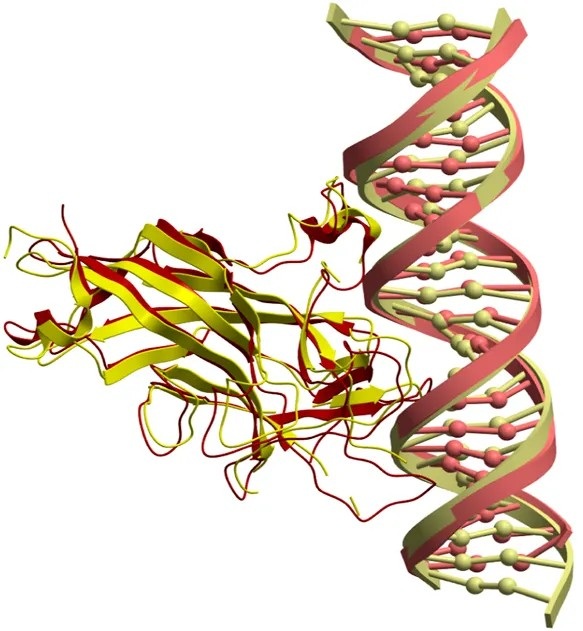
In virtually every cellular process—DNA replication, mRNA transcription and modification, chromatin remodeling, and viral infection—specific DNA segments interact with specialized protein binding factors to execute precise regulatory functions. These DNA-protein interactions represent the molecular foundation of gene expression control, determining when, where, and at what level each gene is transcribed. With the completion of the human genome project and the advent of high-throughput sequencing, research has shifted from simply identifying genes to understanding the regulatory networks that govern their expression, and DNA-protein interaction analysis sits at the heart of this endeavor.
The association of DNA with proteins is a phenomenon of utmost biological importance. Transcriptional regulation, chromosome maintenance, DNA replication, repair, and recombination all depend on the highly specific recognition of DNA sequences and structures by protein factors. Dysfunction in DNA-binding proteins contributes to the progression of numerous human diseases, including cancer, developmental disorders, and neurodegeneration. Profacgen offers a comprehensive suite of experimental methods to study DNA-protein interactions, enabling researchers to identify DNA regulatory elements, isolate and characterize specific binding proteins, and map interaction networks across the genome.
Profacgen provides a comprehensive portfolio of methods to interrogate DNA-protein interactions at every level of resolution:
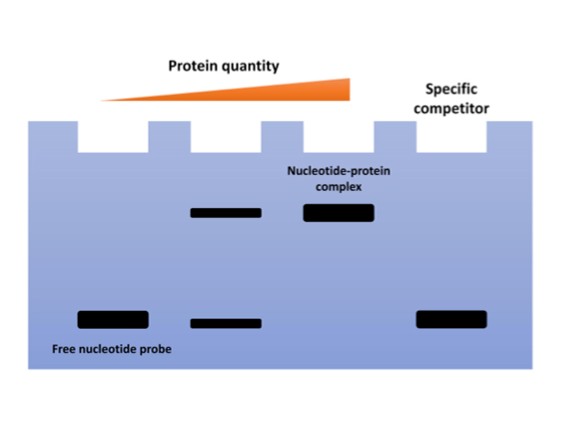
The gold-standard technique for detecting and quantifying protein-DNA binding in vitro. EMSA separates protein-DNA complexes from unbound probes by native gel electrophoresis, providing visual confirmation of binding, affinity estimation, and specificity assessment through competition experiments.
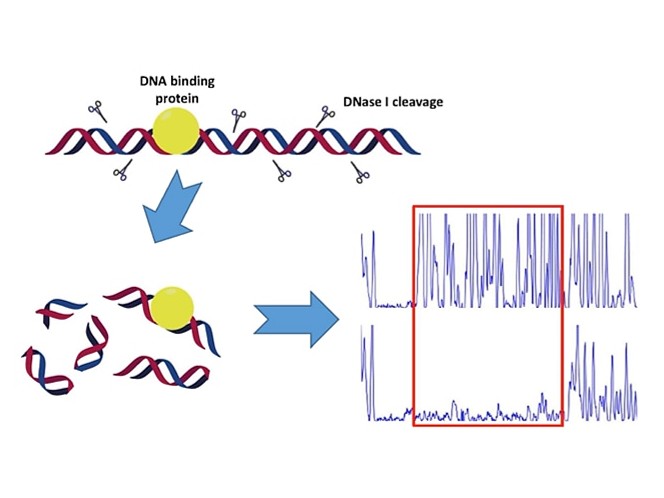
Maps the precise DNA region protected by a bound transcription factor. By partially digesting DNA with DNase I in the presence and absence of protein, the binding site appears as a protected "footprint" on a sequencing gel—revealing exact binding boundaries and the arrangement of multiple adjacent binding sites.
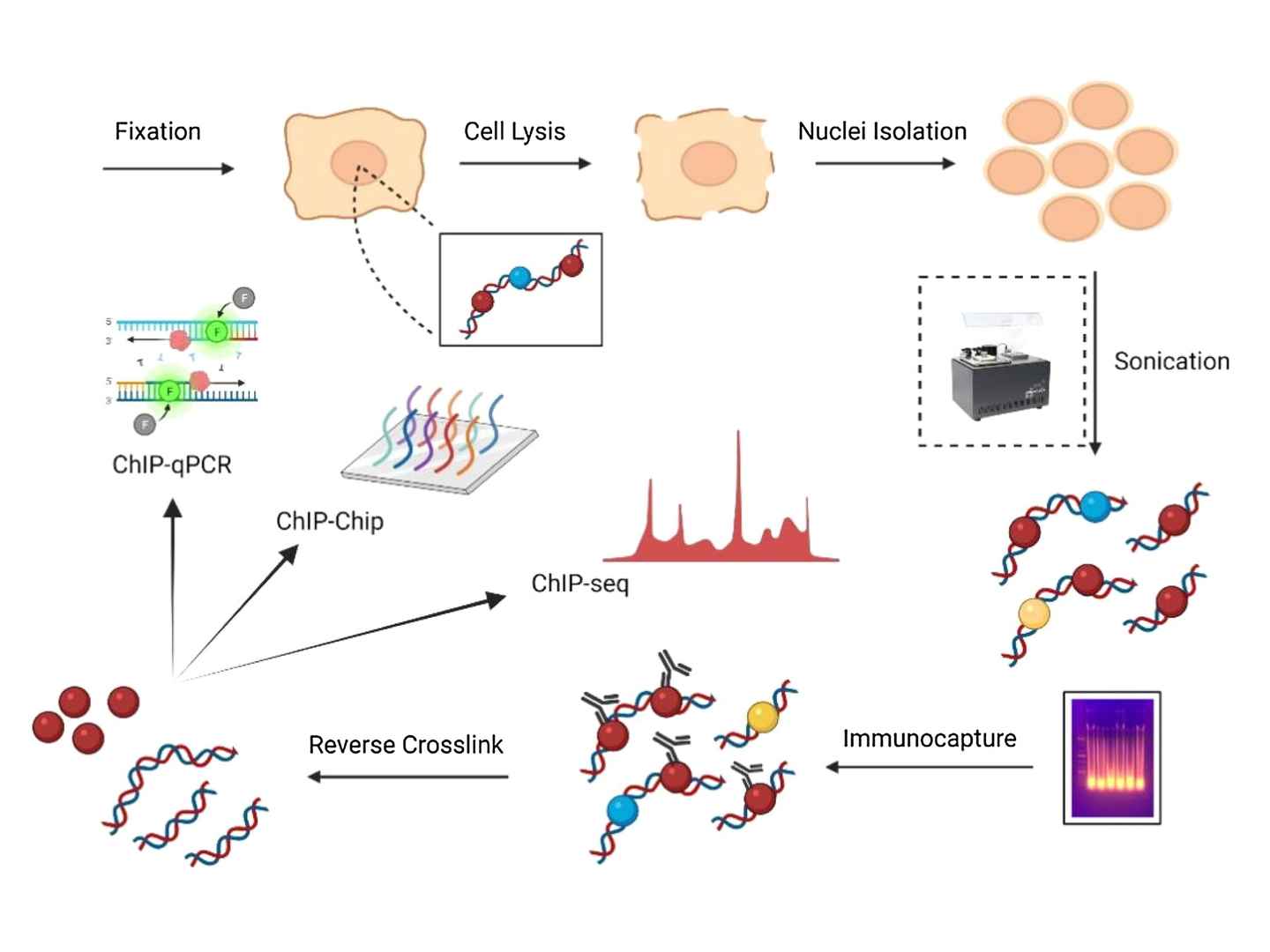
Maps protein-DNA interactions in vivo within the native chromatin context. ChIP uses specific antibodies to immunoprecipitate crosslinked protein-DNA complexes, followed by qPCR or high-throughput sequencing (ChIP-seq) to identify bound genomic regions at nucleotide resolution.
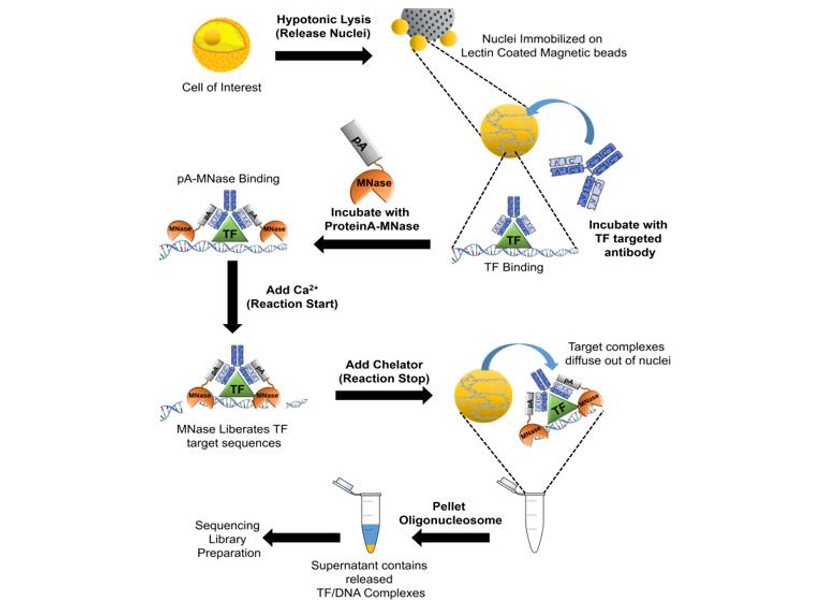
An innovative alternative to ChIP-seq that uses a protein A-micrococcal nuclease (pA-MNase) fusion to cleave and release targeted chromatin regions. CUT&RUN requires fewer cells, produces lower background, and achieves higher resolution than conventional ChIP-seq—making it ideal for rare cell types and low-abundance targets.
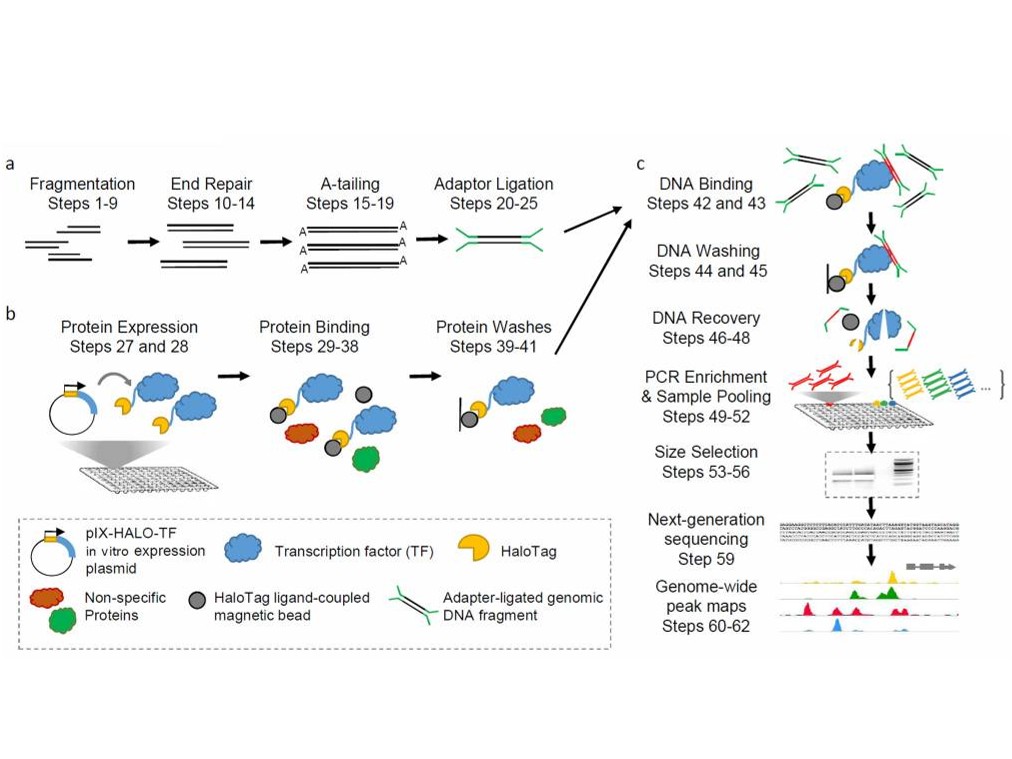
A powerful in vitro method that maps the genome-wide binding sites of transcription factors without requiring specific antibodies. Purified recombinant transcription factors are incubated with fragmented genomic DNA; bound fragments are recovered and sequenced, providing direct motif recognition profiles.
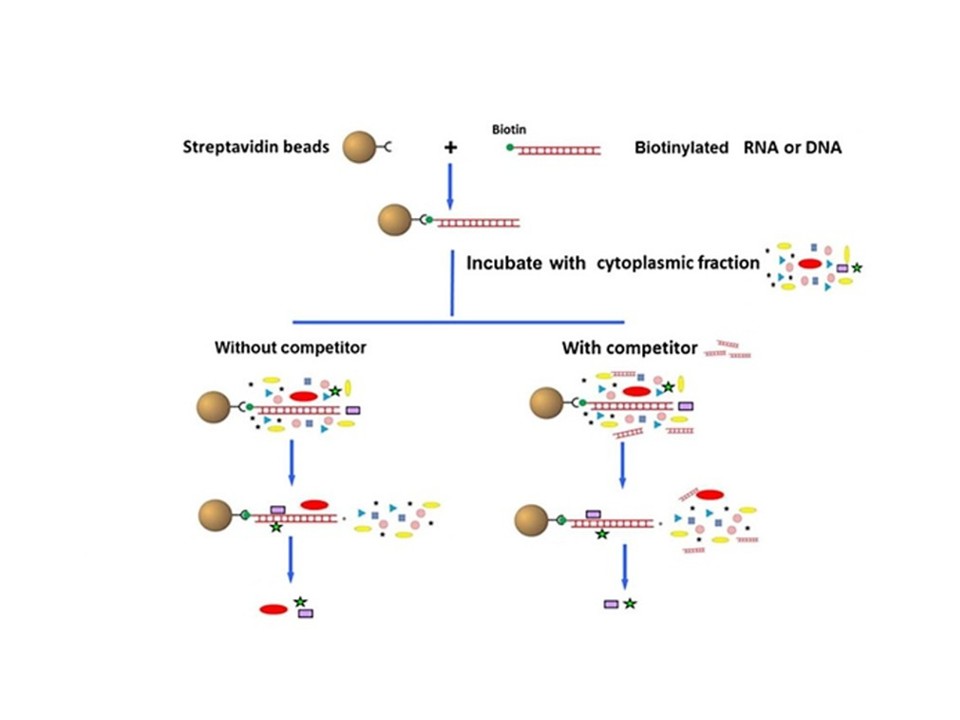
Uses biotinylated DNA or RNA probes to capture specific binding proteins from cell lysates. Captured proteins are identified by mass spectrometry or Western blot, enabling the discovery of novel interacting factors for any defined nucleic acid sequence or structural motif.
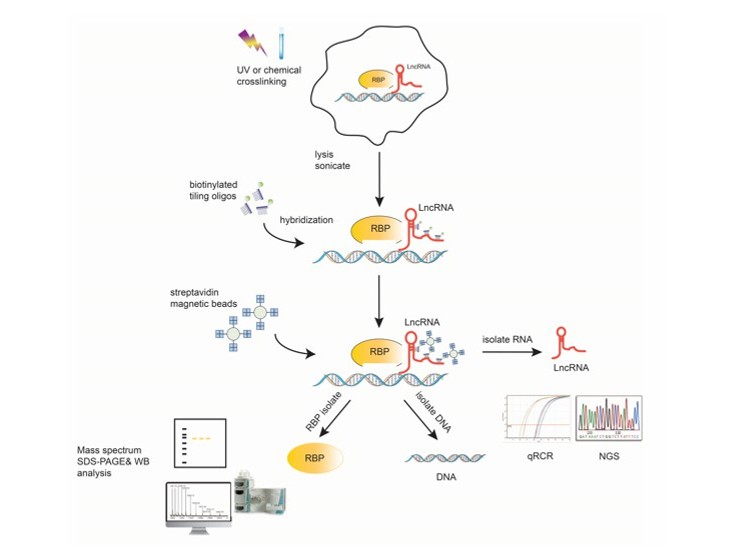
Chromatin Isolation by RNA Purification followed by sequencing. ChIRP maps the genomic DNA regions associated with specific non-coding RNAs, revealing how lncRNAs and other regulatory RNAs tether chromatin-modifying complexes to their target genomic loci.
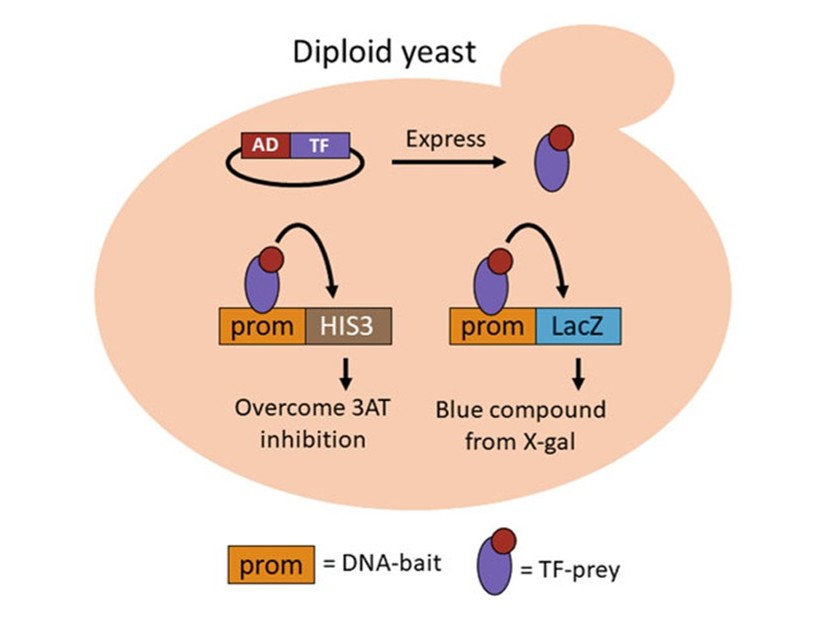
A genetic method for identifying and cloning transcription factors that specifically bind to a DNA sequence of interest. By using the target DNA element as "bait," yeast one-hybrid screens expression libraries to discover novel DNA-binding proteins—particularly effective for factors that are low in abundance or difficult to purify by biochemical means.
Profacgen's expert team is committed to DNA-protein interaction studies. We welcome your consultation and look forward to exploring collaboration opportunities with research labs worldwide.
References:
Fill out this form and one of our experts will respond to you within one business day.