We use cookies to understand how you use our site and to improve the overall user experience. This includes personalizing content and advertising. Read our
Privacy Policy
Human serum albumin (HSA) fusion proteins are engineered by linking a therapeutic peptide or protein to HSA, leveraging its naturally long half-life, biocompatibility, and tumor-targeting properties. HSA fusions enhance the pharmacokinetics and bioavailability of therapeutic molecules, reduce immunogenicity, and enable targeted delivery to tumors or inflamed tissues. Profacgen provides a comprehensive HSA fusion protein production platform, covering rational design, gene synthesis, expression, purification, and functional validation. Our services support research, preclinical studies, and therapeutic development, delivering high-quality, active fusion proteins with optimized stability and functionality.
Background: Advantages and Applications of HSA Fusion Protein
Human serum albumin (HSA) is the most abundant soluble protein in human plasma, comprising 585 amino acids and weighing approximately 66.5 kDa. With a natural half-life of about 19 days, HSA demonstrates exceptional stability, safety, biocompatibility, and low immunogenicity, making it an ideal carrier for therapeutic proteins and peptides.
HSA can be linked to therapeutic molecules via gene fusion or chemical conjugation, allowing for prolonged serum half-life, improved bioavailability, and targeted delivery. The first FDA-approved HSA fusion protein drug, Albiglutide (Tanzeum), is a GLP-1-HSA fusion protein for type 2 diabetes, demonstrating the therapeutic potential of HSA fusions in clinical applications.
Figure 1. Overview of various HSA-based cancer therapeutics (Tao et al., 2021).
Key Advantages of HSA Fusion Proteins
Prolonged Half-Life and Improved Bioavailability: HSA fusions extend the circulating half-life of therapeutic proteins by reducing renal clearance and leveraging FcRn-mediated recycling.
Preserved Biological Activity: Monomeric fusion formats and flexible N- or C-terminal fusion designs ensure that the active regions of the target protein remain unaffected.
Tumor and Tissue Targeting: HSA naturally accumulates in tumors and inflamed tissues, facilitating targeted delivery of fusion therapeutics for oncology or inflammatory indications.
Cost-Effective Production: HSA fusion proteins can be expressed in yeast or E. coli systems, reducing production costs while maintaining high-quality protein.
Versatile Conjugation Options: In addition to gene fusion, HSA can be covalently or noncovalently coupled to therapeutic proteins, peptides, or small molecules, allowing for flexible drug delivery strategies.
Applications of HSA Fusion Proteins
Therapeutics: Hormones, cytokines, growth factors, enzymes, and peptide drugs.
Targeted Drug Delivery: Tumor-targeting or inflamed tissue-targeting therapies.
In vitro Research: Functional assays, receptor binding, and activity studies.
Preclinical Development: Optimized pharmacokinetics for translational research.
Our Service Offerings
Profacgen provides a comprehensive, one-stop HSA fusion protein production platform, designed to meet diverse research and therapeutic needs and benchmarked to leading protein-expression providers:
Rational HSA Fusion Design
N-terminal or C-terminal HSA fusion constructs, preserving active regions of therapeutic molecules.
Monomeric or multimeric formats depending on target requirements.
Linker optimization for proper folding, stability, and bioactivity.
Structural modeling to predict expression efficiency and functional outcomes.
Guidance on chemical conjugation or noncovalent binding strategies for small molecules or peptides.
Gene Synthesis and Cloning
Codon optimization for mammalian, yeast, or bacterial expression systems.
Seamless cloning into HSA-compatible expression vectors.
Multi-fragment assembly for complex or multi-domain fusion constructs.
Optional solubility or affinity tags for challenging proteins.
Protein Expression
Expression in CHO, HEK293, yeast, or E. coli systems depending on project goals.
Pilot-scale expression testing for solubility, folding, and yield optimization.
Scale-up for research or preclinical applications.
Optimization of media, temperature, induction, and culture conditions for maximum protein quality.
Protein Purification
Affinity-based purification (e.g., His-tag or other compatible tags).
Polishing via size-exclusion, ion exchange, or hydrophobic interaction chromatography.
Tag removal if required.
Endotoxin removal for sensitive functional or preclinical applications.
Quality Control and Functional Validation
Confirmation of full-length expression, molecular weight, and integrity via SDS-PAGE, Western blotting, and mass spectrometry.
Folding and aggregation assessment via biophysical methods.
Activity assays to verify biofunctionality of HSA fusion proteins.
Stability studies and batch-to-batch reproducibility checks.
Optional Advanced Services
Chemical or noncovalent coupling of HSA to therapeutic molecules.
Design of cleavable linkers for controlled release of active protein.
Support for preclinical and GMP-ready production.
Consultation on assay development, pharmacokinetics, and targeted delivery strategies.
Comprehensive Expertise: From design to functional protein validation
Flexible Fusion Options: N-/C-terminal fusions, monomeric/multimeric constructs, and chemical conjugation
High Yield and Solubility: Optimized expression systems for difficult proteins
Rapid Turnaround: Streamlined workflows ensure fast project delivery
Cost-Effective Solutions: Reduced production costs via yeast or E. coli expression
Preclinical and Translational Support: Tailored for functional assays, drug delivery studies, and therapeutic development
Advanced Characterization: Structural, functional, and stability analysis available
Representative Case Studies
Case 1: Site-Specific Albumination Extends Protein Therapeutics
Albumin fusion can extend the half-life of therapeutic proteins, but conventional methods often fail with complex or multi-subunit proteins due to misfolding, poor expression, or loss of activity. This study demonstrates a strategy for site-specific albumin conjugation using a non-natural amino acid (NNAA) and bio-orthogonal chemistry. Urate oxidase (Uox), a homotetrameric enzyme, was modified at two predetermined sites with p-azido-l-phenylalanine and linked to human serum albumin via strain-promoted azide-alkyne cycloaddition (SPAAC). The resulting Uox-HSA retained full enzymatic activity, showed an 8.8-hour half-life versus 1.3 hours for wild-type, and increased AUC 5.5-fold, highlighting the potential of this approach for long-acting protein therapeutics.
Figure 2. Schematic representation of Uox-HSA conjugate. (Lim et al., 2015)
Case 2: Cleavable Albumin-FIX Fusion for Improved Hemophilia B Therapy
Hemophilia B is caused by a deficiency of functional coagulation Factor IX (FIX), requiring frequent infusions. To improve treatment convenience, this study explores recombinant FIX-albumin fusion proteins (rIX-FPs) with cleavable linkers derived from the FIX activation sequence. These constructs were successfully expressed in mammalian cells and efficiently activated in vitro. Compared to non-cleavable versions, they showed 10–30-fold higher clotting activity. In animal models, rIX-FPs demonstrated significantly enhanced pharmacokinetics, including increased half-life, recovery, and AUC. Improved efficacy was also confirmed in FIX-deficient mice. Overall, cleavable albumin fusion represents a promising strategy for developing long-acting FIX therapies.
Figure 3. Recombinant factor IX albumin fusion proteins (rIX-FP) concept. Schematic representation of rIX-FP with non-cleavable (A) and cleavable (B) linker and the expected reaction products obtained upon activation by FXIa or FVIIa/TF. (Metzner et al., 2009)
Q: Which therapeutic molecules can be fused to HSA?
A: Hormones, cytokines, growth factors, peptides, enzymes, and small molecules (via chemical conjugation). We accommodate diverse therapeutic modalities based on your specific project requirements.
Q: Can you perform both gene fusion and chemical conjugation?
A: Yes. We provide genetic fusion for recombinant expression as well as covalent or noncovalent HSA coupling for molecules requiring site-specific chemical conjugation strategies.
Q: Which expression systems are available?
A: CHO, HEK293, yeast, and E. coli systems are available. Selection depends on your protein's complexity, required post-translational modifications, and desired production scale.
Q: Can HSA fusion proteins retain bioactivity after fusion?
A: Absolutely. We strategically optimize linker design and fusion sites to preserve active regions, ensuring the final protein maintains full biological functionality.
Q: Do you offer functional validation?
A: Yes. We provide comprehensive functional testing including bioactivity, receptor binding, and pharmacokinetic assays tailored to your specific HSA fusion protein.
References:
Lim SI, Hahn YS, Kwon I. Site-specific albumination of a therapeutic protein with multi-subunit to prolong activity in vivo. Journal of Controlled Release. 2015;207:93-100. doi:10.1016/j.jconrel.2015.04.004
Metzner HJ, Weimer T, Kronthaler U, Lang W, Schulte S. Genetic fusion to albumin improves the pharmacokinetic properties of factor IX. Thromb Haemost. 2009;102(10):634-644. doi:10.1160/TH09-04-0255
Tao HY, Wang RQ, Sheng WJ, Zhen YS. The development of human serum albumin-based drugs and relevant fusion proteins for cancer therapy. International Journal of Biological Macromolecules. 2021;187:24-34. doi:10.1016/j.ijbiomac.2021.07.080
Online Inquiry
Fill out this form and one of our experts will respond to you within one business day.

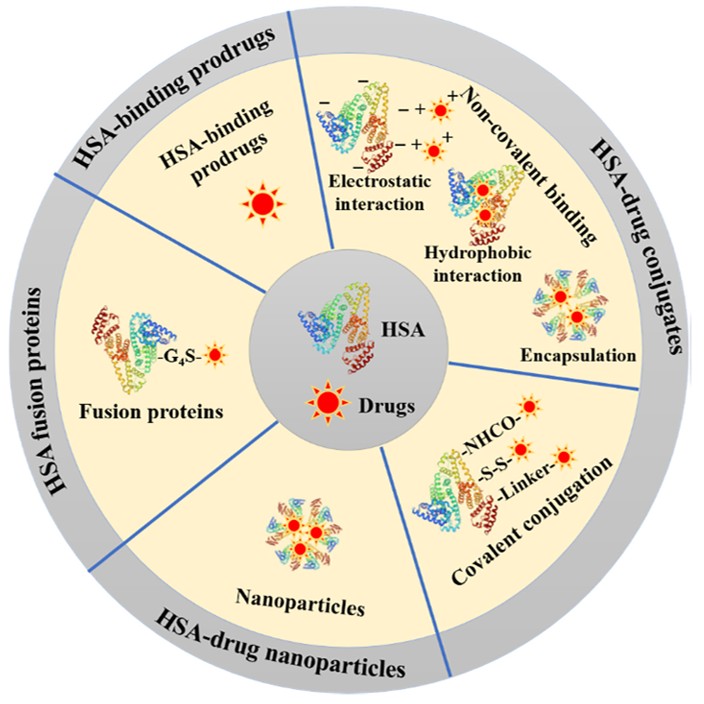 Figure 1. Overview of various HSA-based cancer therapeutics (Tao et al., 2021).
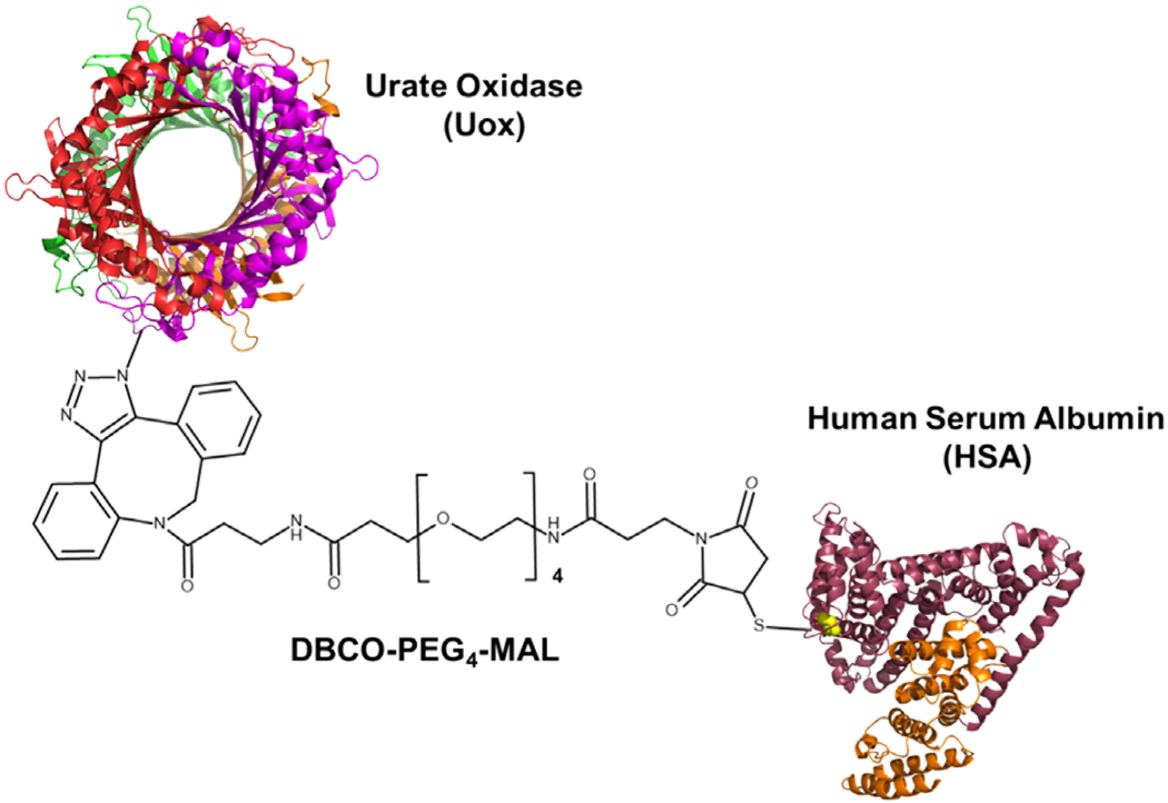 Figure 2. Schematic representation of Uox-HSA conjugate. (Lim et al., 2015)
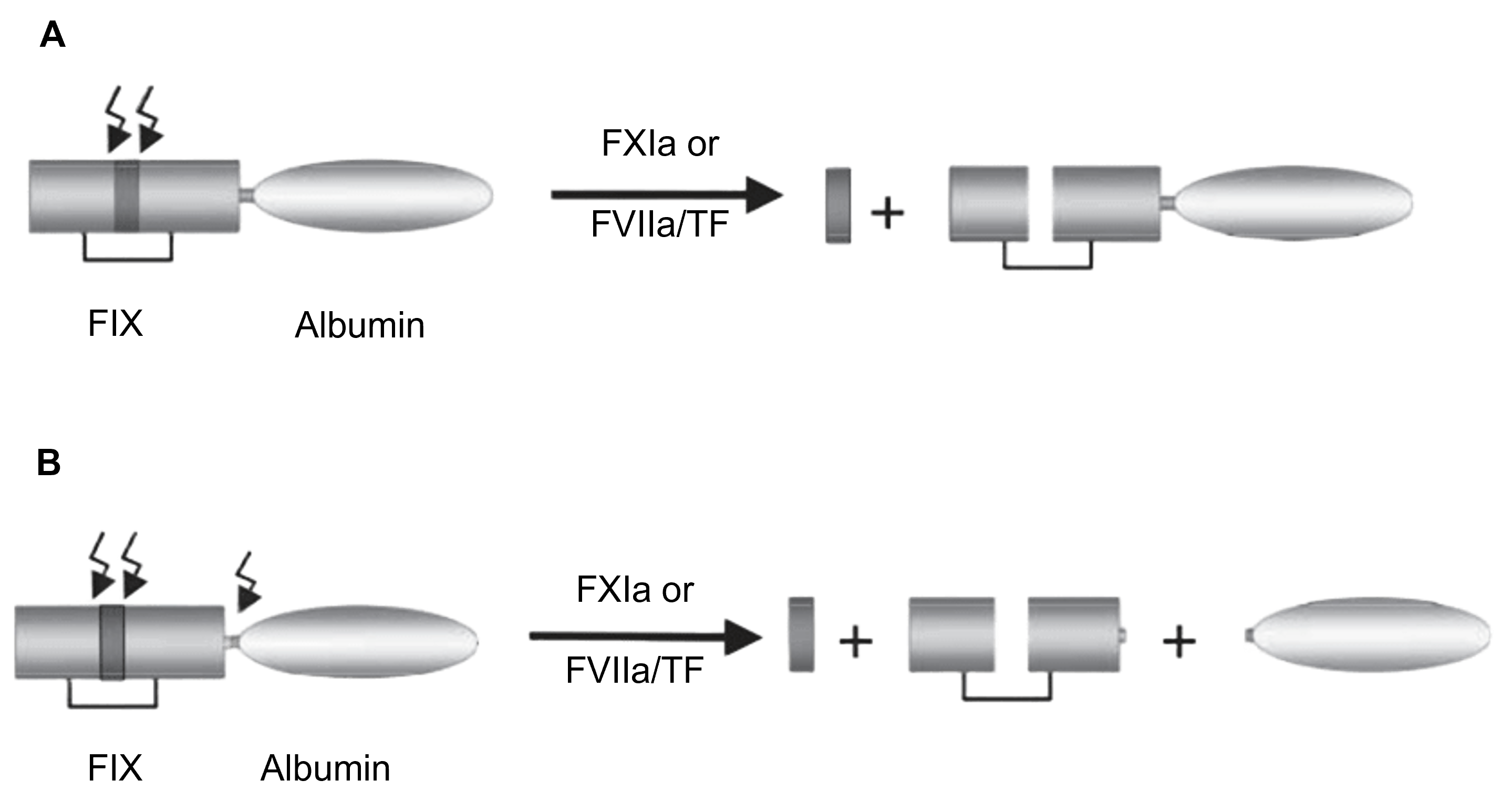 Figure 3. Recombinant factor IX albumin fusion proteins (rIX-FP) concept. Schematic representation of rIX-FP with non-cleavable (A) and cleavable (B) linker and the expected reaction products obtained upon activation by FXIa or FVIIa/TF. (Metzner et al., 2009)