
Profacgen's Custom Lysate Preparation Service provides reliably standardized and project-aligned cell lysate material that supports program objectives across assay development, functional evaluation, and analytical workflows.
Custom lysates are foundational reagents in many research and development workflows. Whether used to benchmark activity, support method development, or prepare material for advanced analyses, the quality and consistency of lysate material directly affects experimental outcomes, comparability, and program momentum.
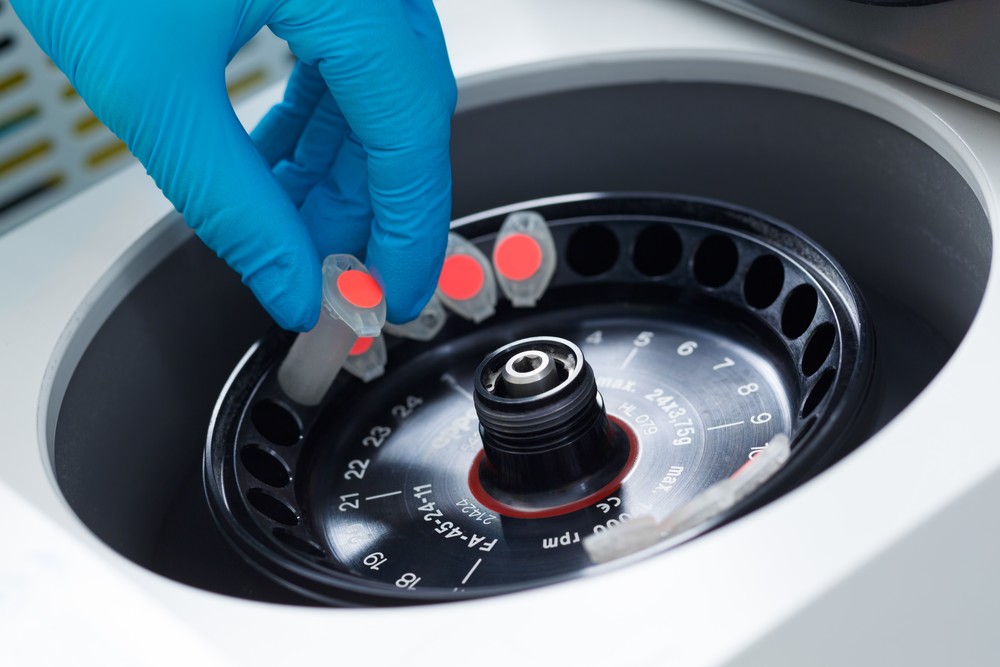
Cell lysate material—whether derived from bacterial, mammalian, yeast, or other expression systems—serves as a critical input into a range of workflows, including:
Clients frequently encounter challenges with off-the-shelf lysates due to variability, undocumented preparation workflows, or inconsistencies between lots. In contrast, a custom lysate service offers:
This ensures reproducible performance and reduces risks associated with undefined or poorly controlled lysate sources.
Engage this service when:
Custom lysate is not simply raw material—it is an enabling reagent that can accelerate data reliability, reduce technical noise, and support confident go/no-go decisions.
Profacgen's Custom Lysate Preparation Service is designed to be adaptable, controlled, and documentation-ready. Core components include:
Source System Selection and Planning
A thoughtful source selection strategy ensures that the lysate's biological context aligns with project priorities.
Controlled Lysate Production
Controlled production minimizes artifactual variability and supports reliable comparison between batches.
Clarification and Fractionation Options
These options allow you to tailor lysate content according to functional or analytical requirements.
Documentation and Reporting
This structured documentation supports internal review, data tracking, and integration with broader workflows.
| Specification | Details |
| Variety of Lysates | Over-expression lysate, tissue lysate, cell line lysate, stem cell lysate, membrane lysate |
| Over 15,000 lysates available, covering human, cynomolgus monkey, bovine, canine, ferret, mouse, rat, rabbit, zebrafish, guinea pig, and more | |
| Applications | SDS-PAGE, Western blot, ELISA, co-immunoprecipitation, pull-down assays |
| Tissue-specific expression studies and broad bio-analytical assays | |
| Suitable for biological and pharmaceutical research | |
| High-Quality & Efficient Production | Protein concentrations up to 20 mg/mL |
| Scale-up production available for industrial requirements | |
| Advanced platform with high-performance reagents, equipment, and skilled technicians | |
| Flexible Sample Sources & Lysis Methods | Lysates from primary cells, recombinant protein-expressing cell lines, stem cells, tissues, or membrane |
| Use of in-house or custom strains; client-provided cells or tissue also accepted | |
| Choice of specific buffers and lysis methods (acoustic, electromagnetic, mechanical, chemical, biological) tailored to sample type and project needs | |
| Expert Support | Reliable, research-ready lysates |
| Technical support for lysate selection, custom requests, and troubleshooting |

The examples below illustrate practical use cases of custom lysate production. They are illustrative and not tied to specific clients.
Program Context:
A discovery team required consistent lysate material to benchmark functional readouts across multiple assay conditions. Variability in lysate quality or protein content could compromise assay comparability and lead to unreliable data, creating challenges in candidate selection and prioritization.
Objective:
Deliver reproducible lysate with well-defined protein content and biological context, enabling reliable comparisons across assays and supporting informed decision-making in early-stage discovery.
Approach:
Custom lysate production was tailored to the specific expression system of interest. Each batch underwent careful protein quantification and was accompanied by thorough documentation of preparation methods. Quality control measures ensured consistency between batches, and standardized protocols allowed direct comparison of assay outcomes. Additional attention was paid to preserving functional activity in the lysate to maintain biological relevance.
Outcome:
The team received high-quality, reproducible lysates that provided a reliable baseline for functional assays. This enabled confident data interpretation and accelerated candidate prioritization, improving the efficiency of the discovery workflow.
Program Context:
A proteomics research team needed high-quality lysate with minimal particulate interference to support mass spectrometry workflows. Poorly prepared lysates could generate background noise, reduce signal quality, and compromise the reproducibility of datasets, impacting downstream protein identification and quantification.
Objective:
Produce clarified lysate fractions optimized for proteomic analysis, ensuring reproducibility, analytical precision, and compatibility with sensitive mass spectrometry workflows.
Approach:
Custom fractionation and clarification protocols were applied to meet the specific requirements of proteomics experiments. Protein concentrations were standardized, and all preparation steps were fully documented to ensure reproducibility and traceability. The process focused on removing particulate matter while preserving protein integrity, maximizing compatibility with LC-MS/MS and other analytical methods. The team also provided recommendations for buffer selection and storage conditions to maintain lysate stability.
Outcome:
The delivered lysate was highly consistent and suitable for proteomic workflows, enhancing signal quality, reducing experimental variability, and supporting accurate, comparable datasets. This enabled the team to confidently interpret proteomic results and advance downstream analyses.
Fill out this form and one of our experts will respond to you within one business day.