We use cookies to understand how you use our site and to improve the overall user experience. This includes personalizing content and advertising. Read our
Privacy Policy
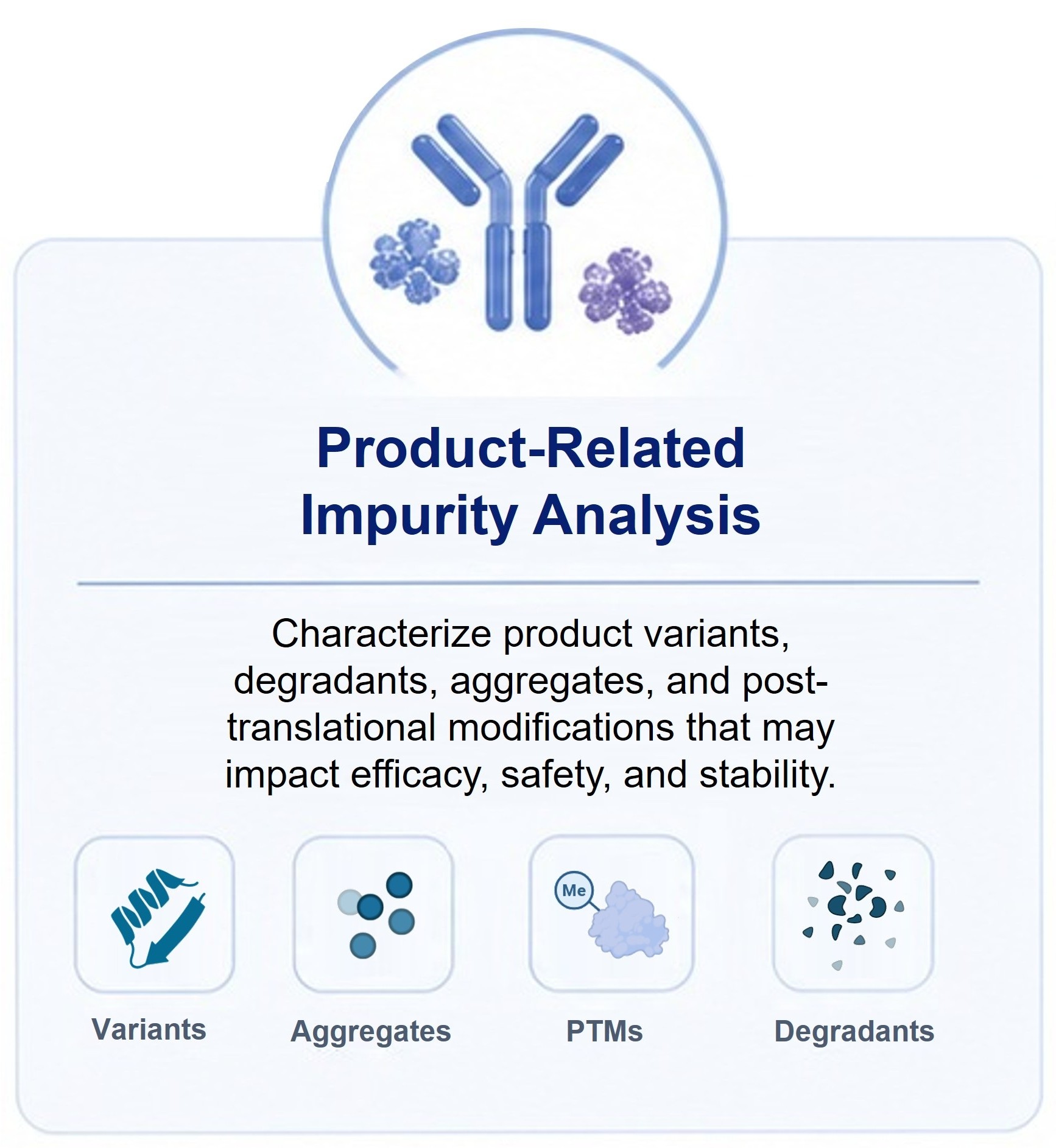
Profacgen's Product-Related Impurity Analysis service delivers comprehensive, phase-appropriate characterization of heterogeneities intrinsic to your biopharmaceutical product. From early development through commercialization, we identify, quantify, and interpret size variants, charge variants, and chemically modified species to support formulation optimization, stability assessment, and regulatory filing.
Product-related impurities—aggregates, fragments, charge variants, and post-translational modifications—are unavoidable molecular entities that directly influence safety, efficacy, and immunogenicity risk. The ability to resolve these variants with orthogonal, high-resolution methods determines the robustness of your control strategy and the speed of your path to clinic.
What Challenges Do We Solve?
Biopharmaceutical development teams face increasing pressure to resolve product heterogeneity with precision and regulatory rigor. Key analytical and strategic challenges include:
Detecting low-level aggregates (dimers, oligomers, and sub-visible particles) that elevate immunogenicity risk and compromise shelf-life specifications
Resolving fragment species generated by enzymatic clipping, chemical hydrolysis, or disulfide bond scrambling during cell culture and purification
Characterizing charge heterogeneity driven by deamidation, oxidation, C-terminal lysine truncation, or glycan remodeling that alters pharmacokinetics and potency
Identifying and quantifying genotoxic impurities (GTIs) and potentially mutagenic residuals that demand stringent toxicological thresholds under ICH M7(R2)
Correlating impurity profiles with cell culture conditions, purification scale-up, formulation changes, or long-term storage stress
Addressing these challenges requires more than single-technique screening. It demands an integrated analytical architecture that connects physicochemical data to biological relevance and regulatory strategy.
Profacgen's value drivers include:
Orthogonal method triangulation that eliminates false negatives and quantification bias
Direct integration with process development, formulation, and stability teams for root-cause resolution
Regulatory-ready documentation aligned with ICH Q6B, ICH Q3B(R2) guidance
These priorities ensure your program advances with confidence, knowing that critical quality attributes (CQAs) are defined by data rather than assumption.
Our Core Platforms
Profacgen provides a structured, quality-oriented Product-Related Impurity Analysis service that aligns analytical methodology with your molecule's specific risk profile, clinical phase, and regulatory jurisdiction.
Mass Spectrometry-Based Molecular Profiling
Intact mass analysis, peptide mapping with multi-attribute monitoring (MAM), and native mass spectrometry deliver exact molecular weight confirmation, post-translational modification (PTM) localization, and sequence variant detection at high sensitivity. Capabilities include:
Intact and subunit mass analysis under native and denaturing conditions
Peptide mapping with UV and MS detection for oxidation, deamidation, glycation, and disulfide bond scrambling
Multi-attribute method (MAM) implementation for simultaneous monitoring of multiple quality attributes
Higher-order structure confirmation by hydrogen-deuterium exchange MS (HDX-MS) where conformational integrity is a CQA
This platform provides the molecular specificity required to attribute impurity peaks to defined chemical or structural alterations.
Chromatographic Separation & Quantification
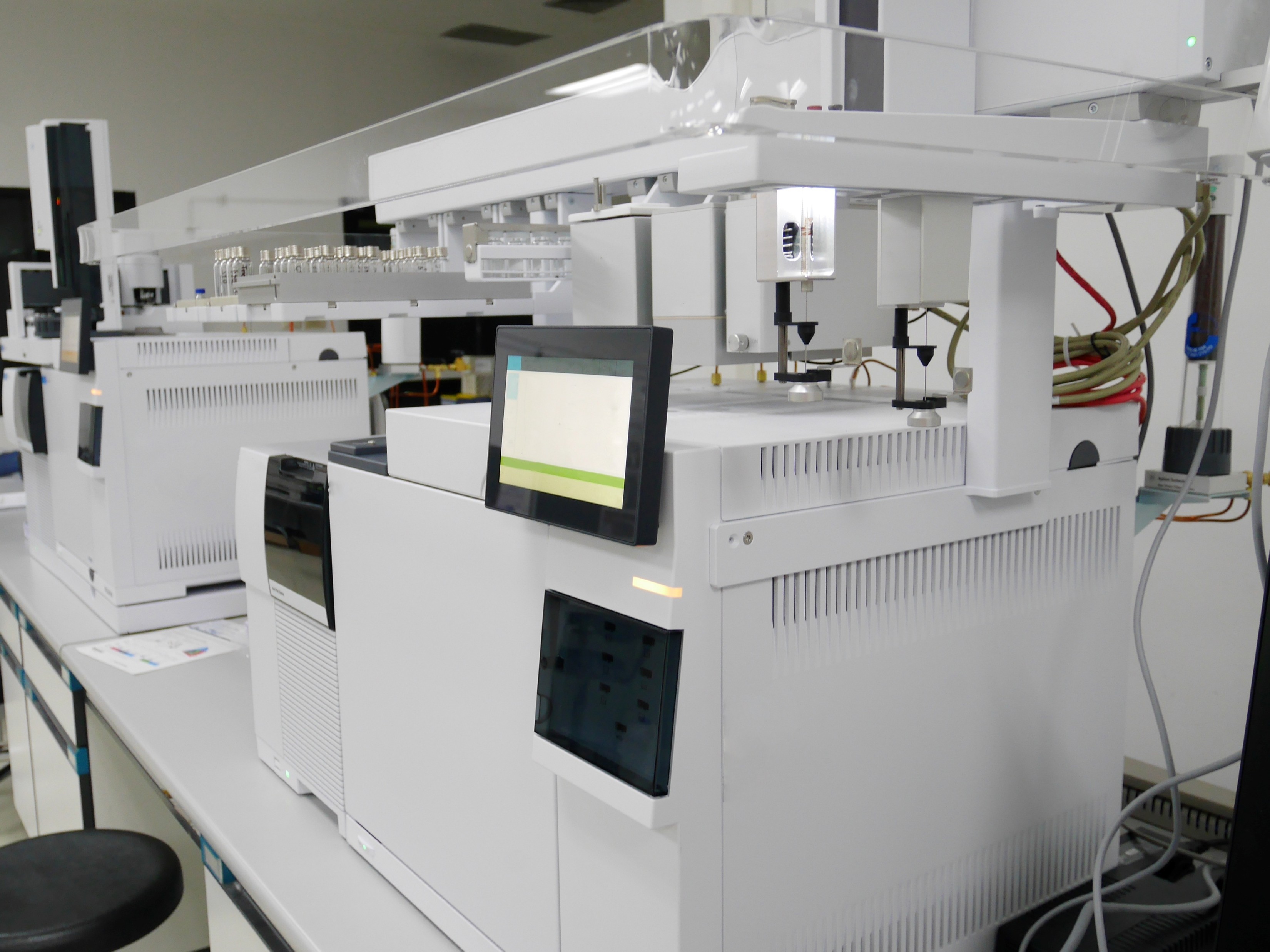
High-resolution chromatography remains the backbone of impurity quantification. Our chromatographic platforms include:
Size-exclusion chromatography (SEC-HPLC and SEC-MALS) for aggregate and fragment quantification with absolute molecular weight determination
Ion-exchange chromatography (IEC) and hydrophobic interaction chromatography (HIC) for charge variant resolution and acidic/basic species quantification
Reversed-phase (RP-HPLC) analysis for chemical modification profiling and stability-indicating assays
Affinity chromatography for product-specific isolation prior to downstream impurity enrichment
Each method is developed with forced-degradation knowledge to ensure peak attribution accuracy and regulatory defensibility.
Electrophoretic Purity & Variant Assessment
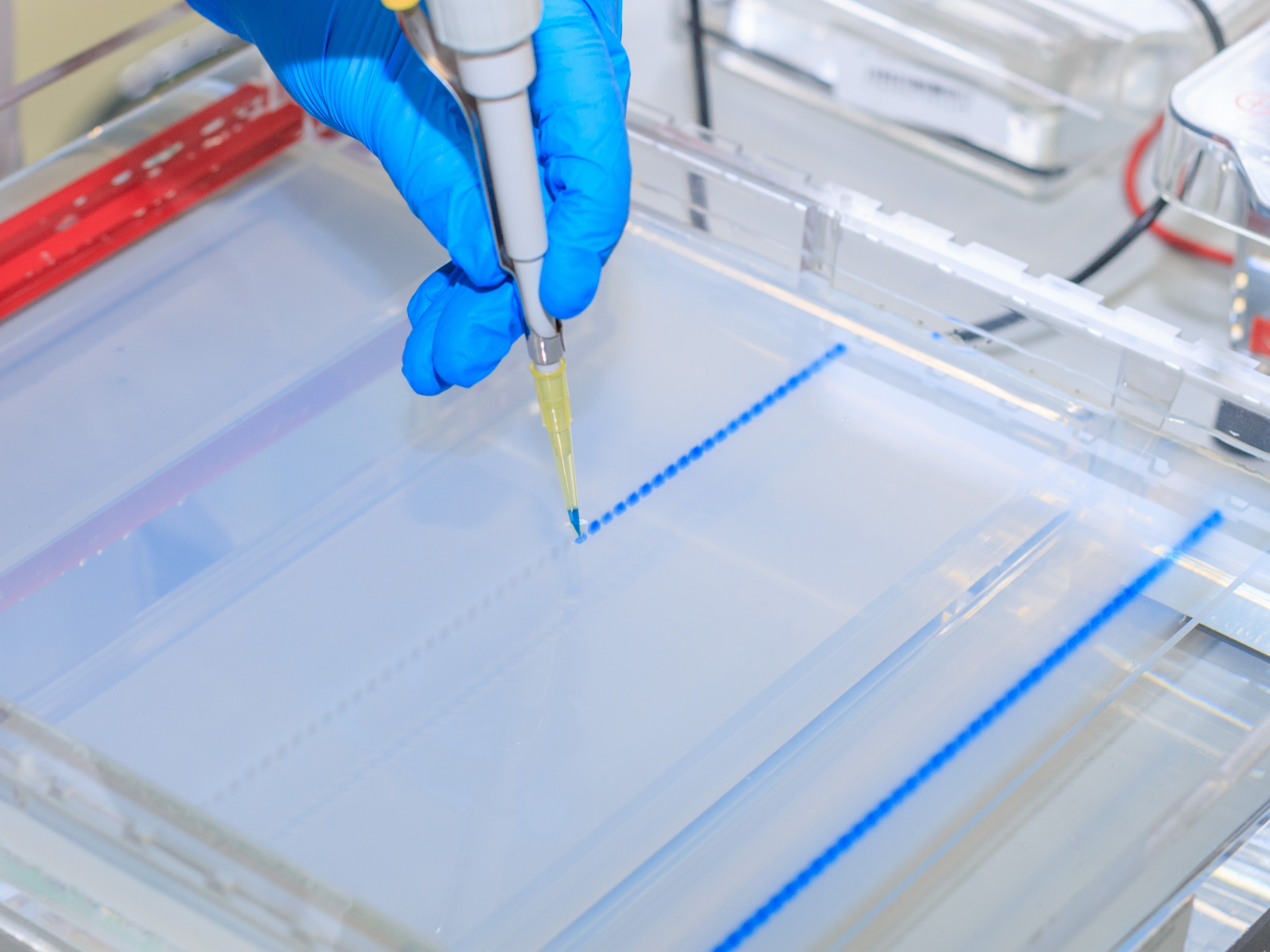
Capillary electrophoresis provides orthogonal resolution complementary to chromatography. We deploy:
CE-SDS under reduced and non-reduced conditions for covalent aggregate, clipped species, and free light/heavy chain detection
Imaged capillary isoelectric focusing (icIEF) for high-resolution charge variant profiling with quantitative pI distribution
Capillary zone electrophoresis (CZE) for glycan-mediated charge heterogeneity assessment
Western blot and immunoelectrophoresis for identity confirmation when required by pharmacopoeial standards
Electrophoretic data supports comparability protocols, biosimilarity exercises, and release specification justification with high reproducibility.
Bioassay & Safety Correlation
Analytical impurity data achieves full value only when correlated with biological performance and patient safety. Profacgen bridges analytical and functional assessment through:
Cell-based potency assays to determine whether charge or size variants alter mechanism of action
Surface plasmon resonance (SPR) and bio-layer interferometry (BLI) for binding kinetics comparison across variant fractions
In-silico immunogenicity risk assessment for aggregate species and novel sequence variants
Comparative stability studies linking impurity formation rates to formulation and container-closure systems
This integration ensures that acceptance criteria are grounded in safety and efficacy relevance, not merely analytical detectability.
Specialized Service Modules
Building upon these core platforms, we offer two specialized analytical tracks that address critical safety and structural attributes requiring dedicated method development, validation, and regulatory strategy:
The Aggregate & Fragment Analysis service deploys an orthogonal toolkit spanning SEC-MALS, CE-SDS, analytical ultracentrifugation (AUC), and asymmetric flow field-flow fractionation (AF4) to resolve soluble aggregates, sub-visible particles, clipped species, and incomplete assembly products. Data packages support comparability protocols, biosimilarity exercises, forced-degradation studies, and shelf-life specification setting.
IND-Enabling Packages: Platform method descriptions, representative chromatograms, and preliminary acceptance criteria for Phase I/II submissions
BLA-Ready Validation: Full ICH Q2(R2) validation (specificity, linearity, accuracy, precision, range, robustness) with statistical analysis and system suitability criteria
Post-Approval Change Management: Comparability protocols, biosimilarity impurity panels, and regulatory briefing documents for manufacturing changes
Regulatory-Centric Method Design: Every assay is architected with end-game filing requirements in mind, ensuring data packages withstand the scrutiny of regulatory agencies from IND through commercial license application.
Orthogonal Platform Breadth: No single technique reveals the complete impurity landscape. Our multi-modal chromatography, electrophoresis, and mass spectrometry platforms eliminate analytical blind spots and build bulletproof comparability arguments.
Phase-Appropriate Agility: From early-stage platform methods to fully validated commercial release assays, we scale analytical rigor, system suitability criteria, and documentation to match your precise program milestone.
Integrated CMC Problem-Solving: Impurity data feeds directly into our upstream, downstream, formulation, and stability teams, enabling rapid root-cause analysis, risk mitigation, and streamlined tech transfer to your manufacturing partner.
Application Scenarios
Scenario 1: Aggregate Root-Cause Investigation During Scale-Up
Program Context:
A clinical-stage biotech observed a reproducible increase in high-molecular-weight species (HMWS) from 1.2% to 4.8% during scale-up from 200 L to 2,000 L stirred-tank bioreactors, threatening comparability and release specifications for a Phase III monoclonal antibody.
Objective:
Identify the mechanistic root cause of aggregate formation and restore the impurity profile within predefined acceptance criteria without delaying the clinical timeline.
Approach:
Profacgen deployed orthogonal SEC-MALS, CE-SDS under non-reduced conditions, and icIEF to characterize aggregate morphology (reversible versus covalent) and correlate findings with upstream and downstream process parameters. Shear stress mapping, hold-time studies, and air-liquid interface analysis isolated increased sparging-induced oxidation and harvest-transfer hold times as the primary drivers.
Outcome:
Process adjustments to sparging rates, transfer line geometry, and hold vessel residence time reduced HMWS to below 1.5%, supported a successful comparability protocol accepted by the regulatory agency, and allowed the program to proceed to Phase III without timeline impact.
Scenario 2: Genotoxic Impurity Control for a Synthetic Peptide API
Program Context:
A client developing a synthetic peptide API required assessment of potential genotoxic residuals from final salt formation steps, specifically alkyl sulfonate esters generated under acidic ethanol conditions during isolation and drying.
Objective:
Develop and validate a sensitive, selective method capable of detecting GTIs at 10% of the ICH M7 TTC threshold, and compile a regulatory-ready safety justification package for DMF filing and pre-NDA discussion.
Approach:
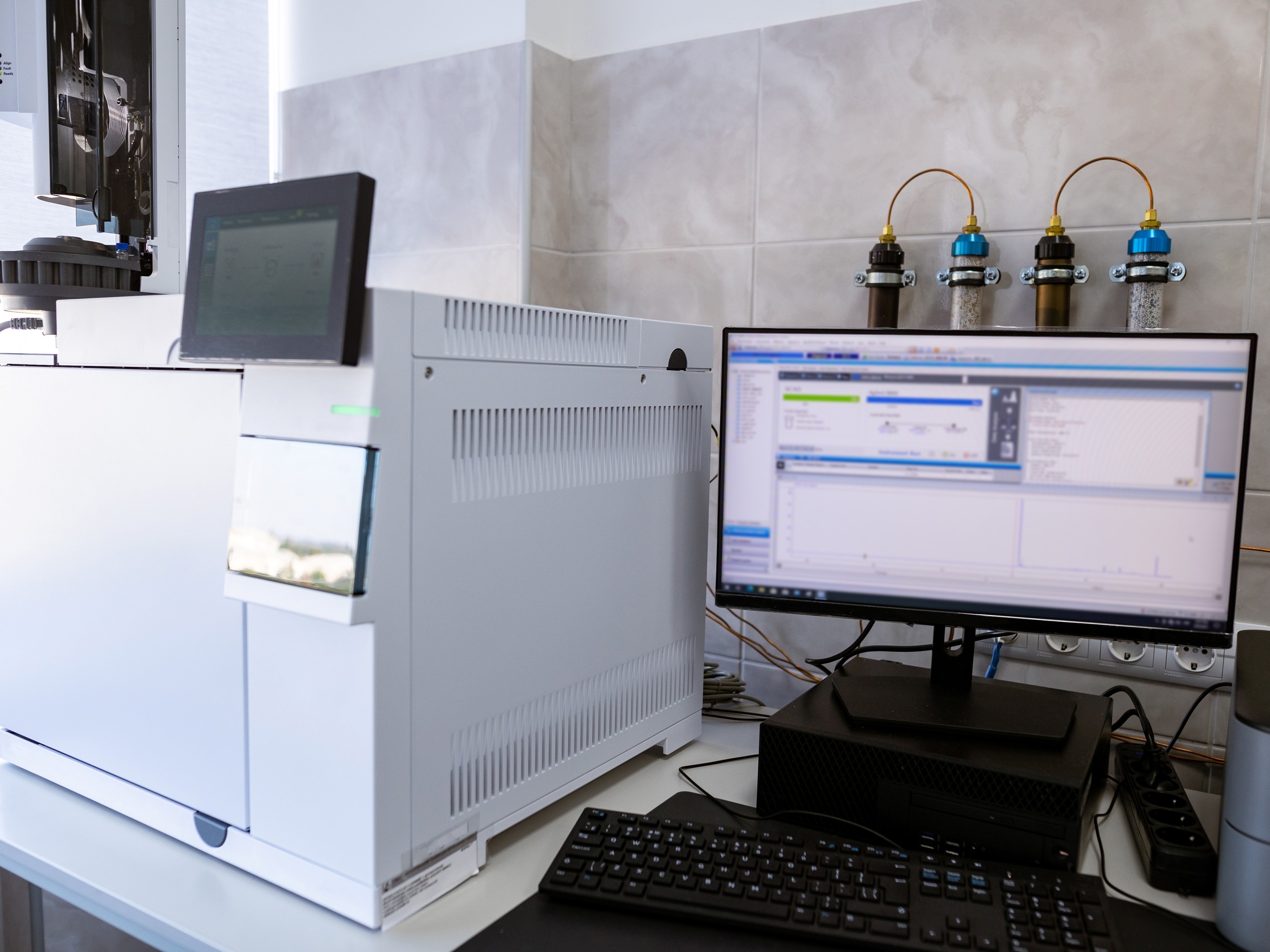
We designed a headspace GC-MS method with optimized derivatization and selected-ion monitoring (SIM) to achieve a limit of detection (LOD) of 0.03 ppm—well below the 0.3 ppm TTC for a daily 1 g dose. Full ICH Q2(R2) validation encompassing specificity, linearity, accuracy, precision, and robustness was executed, accompanied by a structure-based toxicological assessment and expert review per ICH M7(R2).
Outcome:
The client received a complete method validation report, safety evaluation memorandum, and DMF-ready documentation. The package enabled direct regulatory filing, satisfied pre-NDA meeting feedback, and supported successful commercial approval in both US and EU jurisdictions.
Q: What distinguishes product-related impurities from process-related impurities?
A: Product-related impurities are molecular variants of the desired product itself—aggregates, fragments, charge variants, and chemically modified forms such as oxidized or deamidated species. Process-related impurities are extrinsic entities introduced during manufacturing, such as host cell proteins, DNA, media components, chromatography resin leachables, and solvents.
Q: Which orthogonal methods are essential for aggregate and fragment analysis?
A: We recommend SEC-HPLC or SEC-MALS for size distribution and absolute molecular weight, CE-SDS for covalent aggregate and clipped chain detection under reduced and non-reduced conditions, and AUC or AF4 for high-resolution separation of sub-micron particles and oligomers. Together, these methods provide complementary evidence of size heterogeneity.
Q: How does Profacgen approach genotoxic impurity (GTI) method development?
A: GTI methods are developed under ICH M7(R2) and ICH Q2(R2) guidance, incorporating structure-based expert review, controlled threshold of toxicological concern (TTC) calculations, and validated LC-MS/MS or GC-MS detection to ensure sensitivity at or below 10% of the accepted toxicological threshold.
Q: Can you support comparability and biosimilarity impurity profiling?
A: Yes. We design orthogonal impurity panels specifically for comparability protocols, biosimilarity exercises, and post-approval change management. Statistical equivalence testing and regulatory alignment are integrated into every data package to ensure agency acceptance.
Q: How is method transfer and QC release supported?
A: We provide full method validation, transfer protocols, and hands-on training to your QC organization or CMO partner. Deliverables include SOPs, system suitability criteria, pre-established acceptance ranges, and audit-ready documentation for GMP batch release.
Contact us today to learn how Profacgen's Product-Related Impurity Analysis services can strengthen your control strategy, accelerate regulatory milestones, and ensure the highest standards of product quality and patient safety.
References:
Li G, Schaefer A, Kessler M, Hoffmann R, Chen X. Advanced analytical strategies for product-related impurity profiling of monoclonal antibodies and therapeutic proteins. J Chromatogr B Analyt Technol Biomed Life Sci. 2024;1234:123-135. doi:10.1016/j.jchromb.2024.01.002
Online Inquiry
Fill out this form and one of our experts will respond to you within one business day.