We use cookies to understand how you use our site and to improve the overall user experience. This includes personalizing content and advertising. Read our
Privacy Policy
Host cell proteins (HCPs) are process-related impurities co-purified with recombinant biopharmaceuticals during upstream expression and downstream manufacturing. Derived from the production cell line—most commonly Chinese hamster ovary (CHO), HEK293, Escherichia coli, or yeast—these endogenous proteins can compromise product stability, alter pharmacokinetics, and, most critically, trigger adverse immunogenic responses in patients. Under ICH Q6B and ICH Q5B, sponsors must demonstrate robust clearance of HCPs and validate sensitive, reproducible methods for their detection and quantification across all phases of development. Profacgen’s Host Cell Protein (HCP) Analysis platform delivers a comprehensive, phase-appropriate strategy combining immunoassay-based quantification, antibody coverage assessment, and mass spectrometry profiling to ensure your drug substance and drug product meet global regulatory expectations for purity and safety.
What Challenges Do We Solve?
The heterogeneity and low abundance of host cell proteins make them among the most analytically challenging process-related impurities in biologic manufacturing. A single CHO cell expresses thousands of distinct proteins, each with unique physicochemical properties that influence their behavior during purification. Profacgen addresses the full spectrum of HCP-related scientific and regulatory challenges:
Immunogenicity Risk Assessment: HCPs are foreign proteins that may induce immune responses in varying degrees, potentially leading to anti-drug antibodies, neutralizing activity, or allergic reactions; identifying high-risk species is essential for patient safety
Antibody Specificity & Coverage: Generic or platform HCP ELISA kits may lack sufficient coverage for novel cell lines or non-standard expression systems, risking false-negative quantification of significant impurities
Analytical Sensitivity at Low PPM Levels: Downstream purification typically reduces total HCP to <1–100 ppm, demanding immunoassays and orthogonal methods with exceptional sensitivity and reproducibility
Regulatory Expectations for Method Validation: ICH Q2(R1) and FDA guidance require demonstrated specificity, accuracy, precision, and robustness for HCP release and stability methods, including orthogonal confirmation
Host Cell Diversity: CHO, HEK293, E. coli, yeast, and insect cells each present unique HCP profiles, necessitating customized antibody generation, method development, and clearance validation
Process Change Impact: Manufacturing scale-up, resin substitution, or buffer modifications can alter HCP clearance profiles, requiring re-qualification or re-validation of existing methods to maintain regulatory compliance
Figure 1. Orthogonal HCP analysis platform integrating immunoassay, electrophoresis, and mass spectrometry for comprehensive impurity profiling.
Our Core Platforms
Profacgen deploys a multi-modal analytical portfolio to detect, quantify, and characterize host cell proteins across the biopharmaceutical lifecycle. Each platform is selected based on the host expression system, product modality, and regulatory phase, ensuring scientifically defensible and submission-ready data.
Analytical Platform
Capabilities & Deliverables
ELISA-Based HCP Quantification
Development and ICH Q2(R1) validation of sandwich ELISA methods using commercial, platform, or process-specific polyclonal antibodies
High-throughput quantification of total HCP with sensitivity down to low ppm (ng/mg) levels for release testing and stability monitoring
Statistical trending of HCP clearance across purification steps to support process performance qualification (PPQ) and specification setting
Antibody Coverage Assessment
2D-DIGE (two-dimensional difference gel electrophoresis) and Western blot-based coverage analysis to determine the percentage of host-cell proteome recognized by the anti-HCP antibody
Extraction of total host-cell proteins, fluorescent labeling, 2D separation, membrane transfer, antibody incubation, and software-driven spot-matching to validate antibody breadth
Qualification of anti-HCP antibodies for downstream ELISA or Western blot to ensure fit-for-purpose specificity
LC-MS/MS HCP Profiling & Identification
Shotgun and targeted mass spectrometry workflows for antibody-independent detection and identification of individual HCP species
Relative quantification of low-abundance impurities below ELISA detection limits, including high-risk immunogenic species (e.g., lipases, phospholipases, proteases)
Orthogonal confirmation of ELISA results and identification of process-specific impurities not captured by generic immunoassays
Orthogonal Confirmatory Methods
Western blot for semi-quantitative HCP subtyping and confirmation of ELISA specificity under stressed or degraded sample conditions
SDS-PAGE (reduced and non-reduced) for visual assessment of HCP bands and correlation with product purity profiles
Dot blot and slot blot for rapid antibody titer screening and qualitative HCP assessment during early process development
Process-Specific HCP Method Development
Custom antibody generation and assay development tailored to non-standard host cell lines (e.g., human cell lines for gene therapy, microbial systems for biosimilars)
Spiking and recovery studies across purification intermediates to demonstrate method suitability for complex matrices
Integration of HCP data into the control strategy narrative for CTD Module 3.2.S.2.2 and 3.2.P.5
Comprehensive Orthogonal Portfolio: ELISA, 2D-DIGE, Western blot, and LC-MS/MS are all available under one program, enabling cross-validated HCP quantification and identification without inter-laboratory variability.
Antibody Coverage Expertise: Our proprietary 2D-DIGE and Western blot workflows provide objective, image-based coverage percentages, ensuring your anti-HCP antibody is sufficiently broad and specific for regulatory scrutiny.
Custom & Platform Method Flexibility: Whether you require a rapid generic anti-CHO ELISA for early development or a fully custom antibody and process-specific assay for commercial release, our service model scales with your program.
Regulatory-Ready Documentation: All method development reports, validation protocols, antibody coverage data, and CTD-formatted control strategy narratives are prepared for direct inclusion in IND, BLA, and MAA submissions.
Multi-Host Cell Experience: We specialize in CHO, HEK293, E. coli, yeast, NS0, and insect cell systems, with proven strategies for both mammalian and microbial HCP challenges.
Phase-Appropriate Validation: From method qualification for Phase I release to full ICH Q2(R1) validation for Phase III/BLA, our validation protocols align with FDA and EMA expectations for HCP assays at every development stage.
Representative Case Studies
Case 1: Monoclonal Antibody & Biosimilar Development
Challenge:
An innovator company developing a monoclonal antibody in CHO cells needed a validated HCP ELISA for Phase III release testing and stability protocols. Regulatory reviewers requested evidence that the commercial anti-CHO antibody kit provided adequate coverage of the specific host-cell proteome, as generic kits can miss process-specific impurities that co-purify with the product.
Our Approach:
We performed 2D-DIGE antibody coverage assessment: total CHO proteins were extracted, labeled with Cy3, and separated by isoelectric focusing and SDS-PAGE. The anti-HCP antibody was labeled with Cy5, incubated with the transferred membrane, and scanned. Software analysis determined that the commercial antibody recognized 82% of detectable HCP spots—below the typical 70–80% threshold for generic methods. We supplemented the ELISA with a targeted LC-MS/MS panel to monitor three high-risk lipase species not adequately captured by the antibody.
Outcome:
The orthogonal strategy satisfied FDA and EMA expectations. The validated ELISA was approved for routine release, while the LC-MS/MS panel was incorporated as an in-process control for early purification steps. The client proceeded to PPQ without CMC holds, with a regulatory-compliant control strategy that addressed both total HCP and individual high-risk species.
Case 2: Recombinant Vaccine Antigen Production
Challenge:
A vaccine manufacturer expressed a viral surface antigen in E. coli and observed lot-to-lot variability in immunogenicity during preclinical studies. Root-cause analysis suggested that residual E. coli HCPs—specifically endotoxin-associated proteins and flagellin—were interfering with antigen presentation and inducing unwanted innate immune activation.
Our Approach:
We developed a process-specific anti-E. coli HCP ELISA using antibodies raised against the exact production strain. Antibody coverage was confirmed by 2D Western blot, achieving >90% proteome recognition. LC-MS/MS profiling of retained fractions identified flagellin and outer membrane proteins as the primary residual species. These data guided refinement of the anion-exchange polishing step, which was optimized to specifically clear the flagged impurities.
Outcome:
Post-optimization batches showed a 10-fold reduction in total HCP and undetectable levels of the flagged immunogenic species by LC-MS/MS. Animal immunogenicity studies demonstrated improved dose-response consistency, and the updated purification process was successfully filed as a post-IND manufacturing change with full analytical justification.
Q: What are host cell proteins and why are they considered critical impurities in biopharmaceuticals?
A: Host cell proteins (HCPs) are endogenous proteins from the production cell line (e.g., CHO, HEK293, E. coli) that co-purify with the recombinant drug substance. As foreign proteins, they may induce immune responses in varying degrees, potentially leading to anti-drug antibodies, allergic reactions, or other adverse effects. Additionally, certain HCPs—such as proteases and lipases—can degrade the active pharmaceutical ingredient or excipients, compromising product stability and shelf life.
Q: Which regulatory guidelines govern HCP control and detection?
A: ICH Q6B mandates the control and quantification of process-related impurities including HCPs. ICH Q5B addresses quality considerations for cell substrates. ICH Q2(R1) defines validation requirements for HCP analytical methods. FDA and EMA guidance documents further emphasize the need for orthogonal methods, process-specific assays where appropriate, and scientifically justified acceptance criteria supported by clearance data.
Q: What is the difference between ELISA and LC-MS/MS for HCP analysis?
A: ELISA is the industry gold standard for total HCP quantification, offering high throughput, exceptional sensitivity (ppm levels), and regulatory familiarity. However, it requires a specific antibody and may miss impurities not recognized by the immunoreagent. LC-MS/MS is antibody-independent and can identify and relatively quantify individual HCP species, including those not captured by ELISA. It is increasingly used as an orthogonal tool for process-specific impurity identification and for validating ELISA coverage.
Q: Why is antibody coverage assessment important for HCP ELISA?
A: An HCP ELISA is only as reliable as the antibody used to capture and detect impurities. If the polyclonal antibody fails to recognize significant portions of the host-cell proteome, the assay will under-report total HCP. Coverage assessment—typically by 2D-DIGE or Western blot—determines the percentage of detectable HCP spots that bind the antibody. Regulators expect evidence that the antibody is sufficiently broad, particularly for non-standard host cells or when using platform/generic kits.
Q: Which host cell expression systems can Profacgen support for HCP analysis?
A: We support all major biopharmaceutical expression systems, including mammalian cell (CHO (CHO-K1, CHO-S, CHO-DG44), HEK293 and variants, NS0); yeast (Pichia pastoris, Saccharomyces cerevisiae); bacterial (Escherichia coli); and insect cell lines (Sf9, High Five). For each system, we offer generic/platform assays, custom antibody generation, and process-specific method development tailored to your product and purification process.
Q: What is process-specific HCP method development and when is it required?
A: A process-specific HCP method uses antibodies raised against the exact host cell line and production process, rather than a generic commercial kit. It is required when the product is produced in a non-standard cell line, when generic kits demonstrate insufficient coverage, or when regulators request orthogonal evidence that significant process-specific impurities are adequately controlled. Process-specific assays typically offer higher accuracy for the target proteome and are often justified for commercial-stage programs.
Q: What is the typical timeline for HCP method development and validation?
A: Generic anti-CHO or anti-E. coli ELISA method development and qualification typically require 4–6 weeks. Custom antibody generation and process-specific ELISA development require an additional 8–12 weeks for immunization and affinity purification. LC-MS/MS method setup adds 3–5 weeks. Full ICH Q2(R1) validation requires 4–6 weeks. Integrated programs with parallel workstreams can deliver a complete orthogonal package in 10–14 weeks, with expedited timelines available for critical-path submissions.
Online Inquiry
Fill out this form and one of our experts will respond to you within one business day.

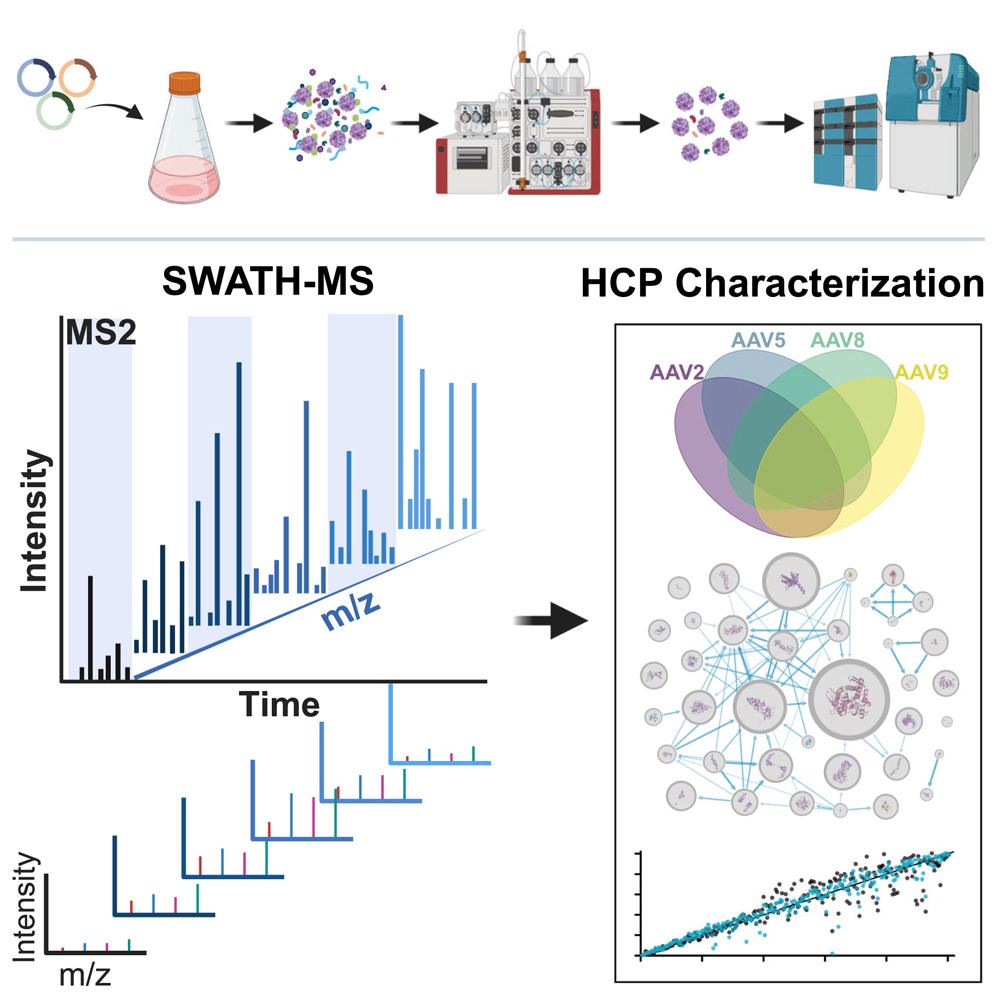 Figure 1. Orthogonal HCP analysis platform integrating immunoassay, electrophoresis, and mass spectrometry for comprehensive impurity profiling.