We use cookies to understand how you use our site and to improve the overall user experience. This includes personalizing content and advertising. Read our
Privacy Policy
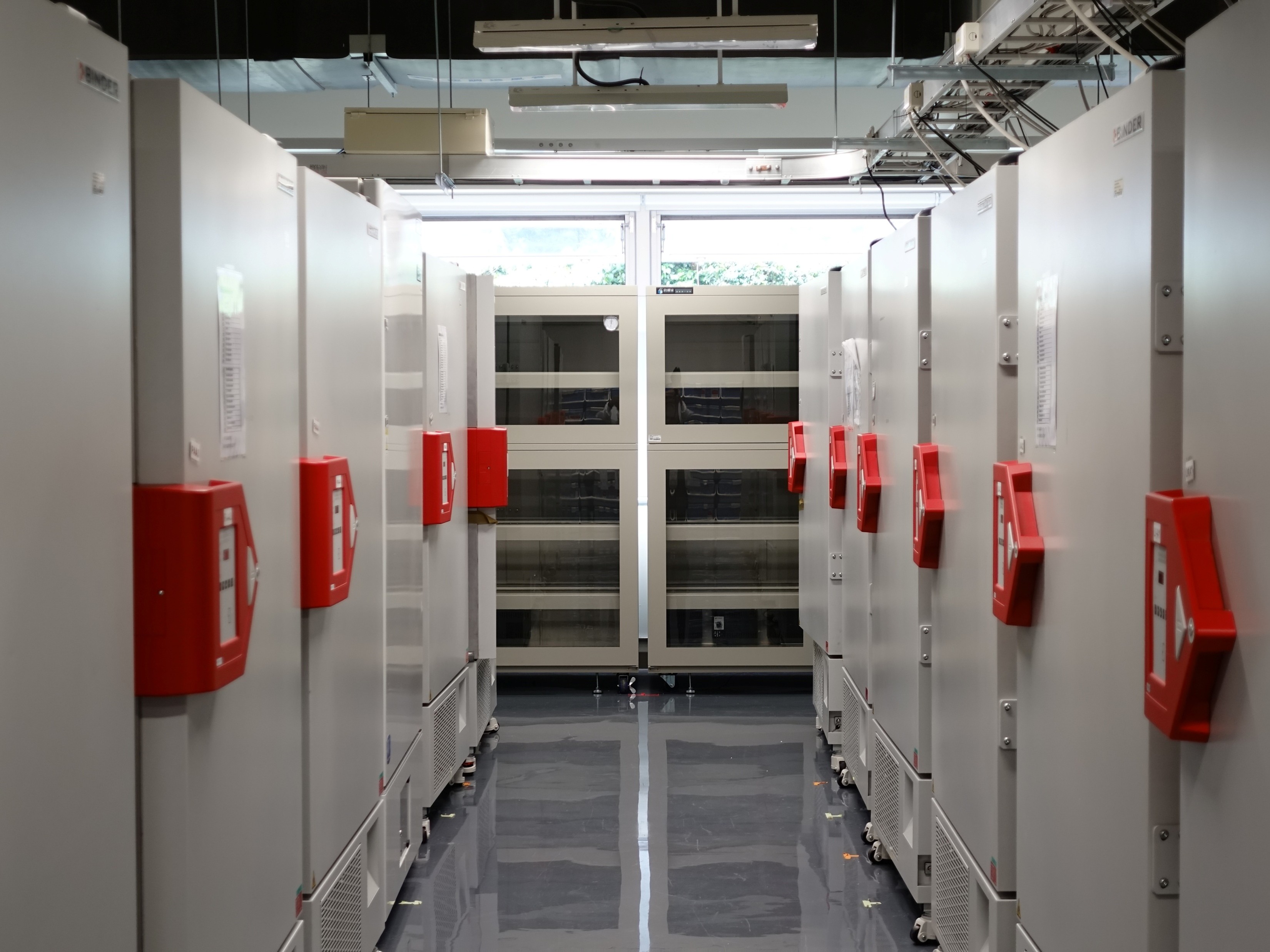
Profacgen's Storage and Inventory Management service provides controlled environmental storage, real-time inventory tracking, and chain-of-custody documentation for biopharmaceutical reference standards. Our systems ensure that reference materials maintain assigned quality attributes from qualification through consumption, with complete traceability supporting regulatory compliance and data integrity requirements.
Reference standards represent significant analytical investment and irreplaceable calibration value. A single temperature excursion, an inventory tracking error, or a chain-of-custody gap can compromise years of accumulated qualification data and invalidate all analytical results dependent upon the affected standard. Storage and inventory management is therefore not merely logistics—it is the operational safeguard of analytical continuity.
Background: Why Controlled Storage and Inventory Management?
Biopharmaceutical reference standards are sensitive to temperature, light, humidity, and mechanical stress. Proteins denature, aggregates form, and potency degrades when storage conditions deviate from specifications. Regulatory agencies require documented evidence that standards have been maintained under defined conditions throughout their lifecycle, with immediate detection and assessment of any excursions.
Inventory management presents parallel risks. Without systematic tracking, standards expire undetected, stocks deplete unexpectedly, or multiple lots become commingled. Each scenario introduces analytical error potential: expired standards may yield biased potency assignments, stockouts delay release testing, and lot mixing obscures degradation trends.
Key advantages of systematic storage and inventory management include:
Continuous environmental monitoring with automated alarm response preventing degradation events
Real-time inventory visibility enabling proactive reorder and preventing stockout-related delays
Complete chain-of-custody documentation supporting regulatory inspection and audit readiness
Structured disposition workflows for expired, depleted, or compromised standards
Integration with requalification schedules ensuring testing occurs before standard expiry
Our Storage and Inventory Management Service Offerings
Profacgen provides integrated storage and inventory services designed for reference standard operational requirements and regulatory expectations.
Service Component
Description
Controlled-Temperature Storage
Ultra-low temperature (-80°C), frozen (-20°C), refrigerated (2–8°C), and controlled ambient storage options
Continuous temperature monitoring with validated data loggers and redundant sensor systems
Automated alarm notification with escalation protocols for out-of-specification conditions
Backup power systems and contingency procedures ensuring uninterrupted storage integrity
Inventory Tracking and Lot Management
Electronic inventory system with unique lot identifiers, location tracking, and usage logging
Reorder point establishment based on consumption rates, lead times, and safety stock requirements
Expiration date monitoring with automated alerts prior to standard expiry
Lot segregation preventing commingling and ensuring first-expiry-first-out (FEFO) rotation
Chain-of-Custody Documentation
Complete traceability from standard receipt through dispensing, use, and final disposition
Electronic records capturing date, time, personnel, quantity, and purpose for each transaction
Temperature excursion documentation with impact assessment and formal disposition
Audit trail integrity ensuring data attributable, legible, contemporaneous, original, and accurate
Excursion Response and Impact Assessment
Immediate notification protocols activating upon temperature or environmental deviation detection
Structured impact assessment evaluating excursion magnitude, duration, and standard stability knowledge
Accelerated testing or full requalification triggered based on risk assessment outcomes
Why Choose Profacgen for Storage and Inventory Management
Validated Environmental Control: Continuous temperature monitoring with redundant sensor systems, automated alarms, and backup power ensures that storage conditions remain within specifications, preventing degradation events that compromise standard integrity and analytical reliability.
Real-Time Inventory Visibility: Electronic tracking systems provide instant access to lot locations, quantities, usage histories, and expiration statuses, enabling proactive decision-making and eliminating the stockouts and expiration oversights that delay release testing.
Structured Excursion Response: Predefined protocols with documented impact assessment, accelerated testing pathways, and formal disposition workflows ensure that temperature deviations are managed scientifically and regulatorily, minimizing supply disruption and inspection risk.
Global Distribution Capability: Qualified thermal packaging, validated shipping lanes, and international cold-chain compliance enable secure standard distribution across manufacturing networks without compromising storage condition integrity during transit.
Regulatory Inspection Readiness: Complete chain-of-custody documentation, environmental monitoring records, and ALCOA+-compliant electronic data support confident inspection presentation and rapid response to regulatory queries without retrospective documentation gaps.
Integrated Lifecycle Coordination: Storage and inventory systems interface with requalification schedules, consumption forecasting, and reorder workflows to ensure that standards are tested before expiry, ordered before depletion, and available when needed.
Representative Case Studies
Case 1: Multi-Site Inventory Consolidation for Global Program
Background:
A biopharmaceutical company with reference standards distributed across three continents faced inventory visibility gaps, inconsistent storage practices, and recurring stockouts that delayed release testing. The decentralized approach generated audit findings and threatened supply continuity.
Our Solution:
Profacgen implemented a centralized inventory management system with electronic tracking, standardized storage specifications, and automated reorder workflows. All sites adopted uniform temperature monitoring with cloud-based data aggregation. Consumption patterns were analyzed to establish site-specific reorder points and safety stock levels.
Final Results:
Stockout incidents were eliminated within six months. Inventory visibility enabled reduction of total standard holdings by 25% while improving availability. The consolidated system passed regulatory inspection with zero observations related to reference standard management.
Case 2: Temperature Excursion Recovery and Standard Salvage
Background:
A commercial reference standard experienced an unplanned -80°C freezer temperature rise to -45°C over 18 hours due to compressor malfunction. The standard supported release testing for an approved therapeutic protein, and its potential compromise threatened batch release and supply continuity.
Our Solution:
Profacgen activated the excursion response protocol within 30 minutes of alarm trigger. The excursion was documented with precise temperature-time profile reconstruction. Impact assessment evaluated the standard's known stability, accelerated degradation kinetics, and historical performance data. Accelerated requalification testing was initiated within 48 hours, focusing on potency retention and purity stability.
Final Results:
Requalification demonstrated no statistically significant degradation, and the standard was released for continued use with documented justification. The response protocol and scientific rationale were accepted by regulatory agencies during the subsequent inspection. Backup system upgrades were implemented to prevent recurrence.
Q: What temperature ranges are available for reference standard storage?
A: Profacgen provides ultra-low temperature (-80°C), frozen (-20°C), refrigerated (2–8°C), and controlled ambient (15–25°C) storage options. Each environment is continuously monitored with validated systems, automated alarms, and backup power to maintain conditions within defined specifications.
Q: How is inventory tracked and managed electronically?
A: Inventory is managed through an electronic system assigning unique identifiers to each standard lot, tracking location, quantity, usage history, and expiration status. The system supports reorder point alerts, consumption forecasting, and automated reporting with full audit trail compliance.
Q: What happens when a temperature excursion is detected?
A: Excursions trigger immediate alarm notification to designated personnel. A structured response protocol documents the event, assesses impact based on excursion magnitude and duration, and determines disposition through accelerated testing or full requalification. All actions are recorded with formal justification.
Q: How are expired or depleted standards dispositioned?
A: Expired standards are quarantined pending destruction or restricted use authorization. Depleted lots are formally closed in the inventory system with usage reconciliation. Destruction is documented with witness verification and disposal records maintained for audit purposes.
Q: Can standards be shipped while maintaining storage conditions?
A: Yes. Profacgen employs qualified thermal packaging with validated hold times, continuous temperature monitors, and documented shipping procedures. International shipments comply with customs, dangerous goods, and cold-chain regulations with full traceability from departure to receipt verification.
Q: How does the system support regulatory inspections?
A: The system provides complete chain-of-custody documentation, environmental monitoring records, inventory transaction logs, and excursion assessments with formal dispositions. Electronic records comply with ALCOA+ principles, enabling confident inspection presentation and rapid response to reviewer queries.
Q: What integration is available with requalification schedules?
A: Inventory and requalification systems are integrated to trigger testing notifications based on scheduled intervals, expiration proximity, or post-excursion requirements. This coordination ensures requalification occurs before standard expiry, preventing use of unverified materials and supporting continuous compliance.
References:
United States Pharmacopeia. USP General Chapter <1079>: Good Storage and Distribution Practices for Drug Products. United States Pharmacopeial Convention; current edition.
WHO Technical Report Series. Annex 9: Model Guidance for Storage and Transport of Time- and Temperature-Sensitive Pharmaceutical Products. World Health Organization; 2011.
Online Inquiry
Fill out this form and one of our experts will respond to you within one business day.