
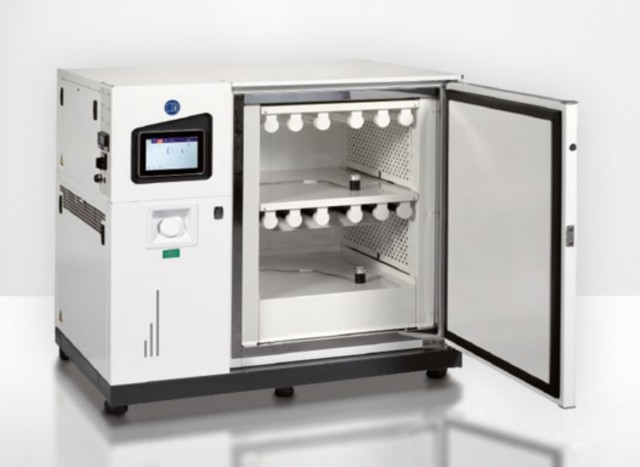
Light exposure represents a significant but frequently underestimated stressor in the biopharmaceutical development lifecycle. Photochemical degradation can compromise protein integrity, potency, and safety through mechanisms that differ fundamentally from thermal or oxidative degradation pathways. Understanding and controlling photosensitivity is therefore essential for formulation design, packaging selection, and regulatory compliance.
Profacgen provides comprehensive photostability study services designed to evaluate the photosensitivity of biopharmaceutical proteins, characterize photodegradation pathways, and support regulatory submissions in alignment with ICH Q1B guidelines. Our studies integrate controlled light exposure, advanced analytical characterization, and mechanistic interpretation to deliver actionable insights for product development and quality assurance.
Photodegradation of biopharmaceutical proteins occurs through direct and indirect photochemical mechanisms that modify amino acid residues, disrupt higher-order structure, and compromise therapeutic function. Unlike thermal degradation, which primarily affects conformational stability and chemical bonds through increased molecular motion, photochemical reactions involve electronic excitation and radical-mediated processes that can target specific chromophoric residues with high selectivity.
The primary photochemical degradation pathways in proteins include:
Tryptophan is particularly susceptible to photodegradation due to its high molar absorptivity in the UV range and relatively low oxidation potential. Photo-oxidation of tryptophan generates N-formylkynurenine and kynurenine derivatives, which alter protein fluorescence, charge properties, and structural integrity. Tyrosine residues can undergo photo-dimerization to form bityrosine cross-links, contributing to covalent aggregation. Disulfide bonds absorb UV light below 300 nm, leading to homolytic cleavage and subsequent disulfide scrambling or free thiol formation.
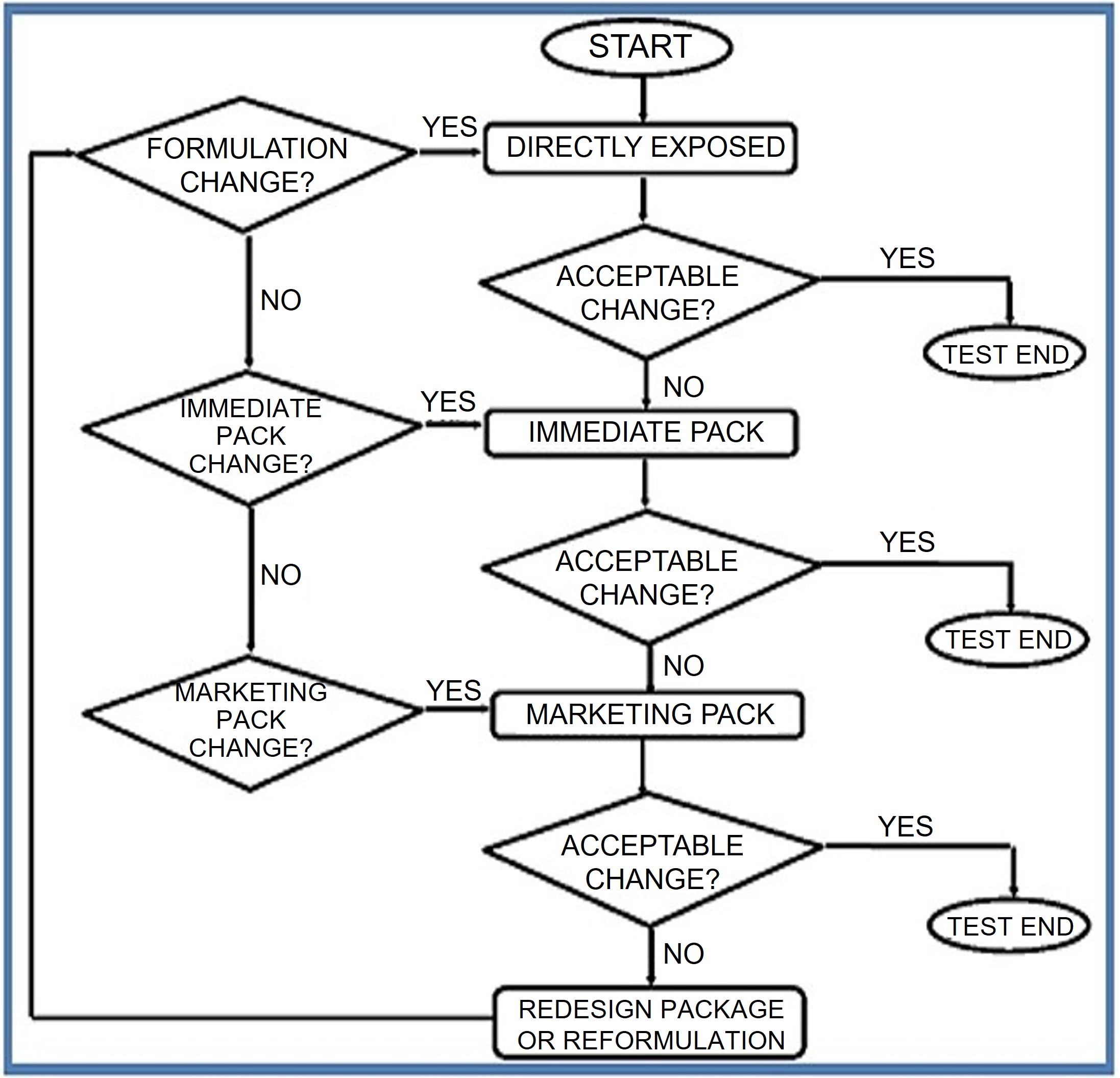 Figure 1. Protocol for Photostability Studies of Pharmaceutical products. (Welankiwar et al., 2013)
The susceptibility of a protein to photodegradation depends on multiple factors: the abundance and solvent accessibility of chromophoric residues, the presence of endogenous photosensitizers, formulation pH and composition, dissolved oxygen concentration, and the spectral characteristics of the light source. Container-closure systems, including glass type, color, and thickness, as well as secondary packaging materials, play critical roles in photoprotection during storage and distribution.
ICH Q1B (Photostability Testing of New Drug Substances and Products) establishes the foundational requirements for photostability evaluation of pharmaceutical products, including biologics. The guideline mandates a systematic approach comprising:
Regulatory agencies expect photostability data to support decisions on storage conditions, labeling instructions (e.g., "protect from light"), container-closure system selection, and distribution handling procedures. For biopharmaceutical proteins, where even minor structural modifications can alter immunogenicity or efficacy, comprehensive photostability characterization is particularly critical for regulatory acceptance and patient safety.
ICH Q1B Confirmatory Photostability Testing
Standardized confirmatory studies conducted under ICH Q1B-compliant visible and UV light exposure conditions (minimum 1.2 million lux hours visible light and 200 Wh/m2 UV light) to evaluate whether drug substance and drug product maintain quality specifications after exposure. Studies include appropriate dark controls, temperature monitoring, and comprehensive analytical testing at defined intervals.
Forced Photodegradation Studies
Intensive light exposure studies designed to elucidate intrinsic photosensitivity, identify primary and secondary photodegradation products, and characterize degradation kinetics. These studies employ extended exposure durations, varied spectral ranges, and controlled environmental conditions (temperature, oxygen concentration) to build mechanistic understanding of photodegradation pathways.
Container-Closure and Packaging Photoprotection Assessment
Comparative evaluation of container-closure systems (amber glass, opaque plastics, laminated materials) and secondary packaging configurations to quantify light transmission and photoprotection efficiency. Studies include spectral transmission analysis, accelerated photostability testing of packaged product, and recommendation of optimal packaging strategies for commercial distribution.
Formulation Photostability Screening
Comparative photostability evaluation across formulation matrices to identify excipients, antioxidants, and stabilizers that mitigate photodegradation. Studies assess the protective effects of UV absorbers, radical scavengers, oxygen scavengers, and pH optimization on protein stability under controlled light exposure.
Photodegradation Product Characterization
Comprehensive analytical characterization of photodegraded samples using peptide mapping with LC-MS/MS for site-specific modification identification, intact mass analysis for mass shift detection, fluorescence spectroscopy for tryptophan oxidation monitoring, and aggregation assessment by SEC-MALS and DLS. Degradation pathway maps are generated to link specific light conditions to molecular modifications.
Stability-Indicating Method Validation for Photodegradation
Validation of analytical methods to demonstrate stability-indicating capability specifically for photodegradation products. Studies include forced photodegradation sample generation, method performance evaluation (specificity, sensitivity, linearity, accuracy), and peak purity assessment in the presence of photodegradation products to support regulatory submissions.
Profacgen employs a structured, scientifically rigorous approach to photostability study design:
Study protocols are documented with defined acceptance criteria, ensuring reproducibility, traceability, and regulatory audit readiness.
Our objective is to deliver photostability data that not only satisfy regulatory requirements but also enable proactive management of light-related stability risks throughout the product lifecycle.
Program Context:
A biopharmaceutical company preparing a BLA submission for a monoclonal antibody therapeutic required ICH Q1B-compliant photostability data to support labeling claims and container-closure system qualification. The product was formulated as a liquid solution in a clear glass vial, raising potential concerns about light sensitivity during clinical handling and commercial distribution.
Objective:
To conduct confirmatory photostability testing under ICH Q1B conditions for both drug substance and drug product, and to evaluate whether the proposed commercial packaging configuration provided adequate photoprotection.
Approach:
Profacgen designed a comprehensive photostability program comprising ICH Q1B confirmatory testing of unpackaged drug product under visible light (D65 source, 1.2 million lux hours) and UV light (200 Wh/m2), with parallel dark controls maintained at 25°C. Drug substance was tested under equivalent conditions. The commercial packaging configuration (carton + vial) was evaluated for light transmission using spectral analysis, and packaged product was subjected to confirmatory testing. Analytical testing included potency (binding assay), purity (SEC-HPLC, CE-SDS), charge heterogeneity (icIEF), aggregation (SEC-MALS), and tryptophan fluorescence to detect early photodegradation.
Outcome:
The unpackaged drug product showed minor but measurable increases in acidic species and tryptophan oxidation products following ICH Q1B exposure, while the packaged product remained within all acceptance criteria. Spectral analysis confirmed that the carton provided sufficient UV and visible light attenuation. The data supported a "Store at 2–8°C; protect from light" labeling claim and justified the commercial packaging configuration, contributing to a successful BLA submission without regulatory queries on photostability.
Program Context:
A therapeutic protein development program encountered unexpected potency loss and color change during early formulation development that was suspected to be light-related. The development team required mechanistic understanding of the photodegradation pathway to guide formulation redesign and excipient selection.
Objective:
To identify the specific amino acid residues and degradation products responsible for the observed potency loss, to characterize the photochemical mechanism, and to evaluate formulation modifications that could mitigate photodegradation.
Approach:
Profacgen conducted an intensive forced photodegradation study using a xenon arc source with controlled spectral output, sampling at multiple time points to capture degradation kinetics. Peptide mapping with LC-MS/MS identified specific tryptophan oxidation to N-formylkynurenine and kynurenine at two surface-exposed residues, with concurrent methionine oxidation at a third site. Intact mass analysis confirmed mass shifts consistent with these modifications. Fluorescence spectroscopy showed characteristic emission changes indicative of tryptophan photodamage. A formulation matrix was evaluated incorporating UV-absorbing excipients, antioxidant systems, and pH variations, with photostability monitored by potency, peptide mapping, and fluorescence.
Outcome:
The mechanistic study established that photodegradation was initiated by direct tryptophan photolysis, with subsequent radical propagation causing secondary methionine oxidation. A reformulated product incorporating a UV-absorbing excipient and an optimized antioxidant system demonstrated a 75% reduction in photodegradation rate under equivalent light exposure. The optimized formulation advanced into confirmatory ICH Q1B testing and long-term stability studies with a significantly improved photostability profile.
Fill out this form and one of our experts will respond to you within one business day.